
 Ronny Sianturi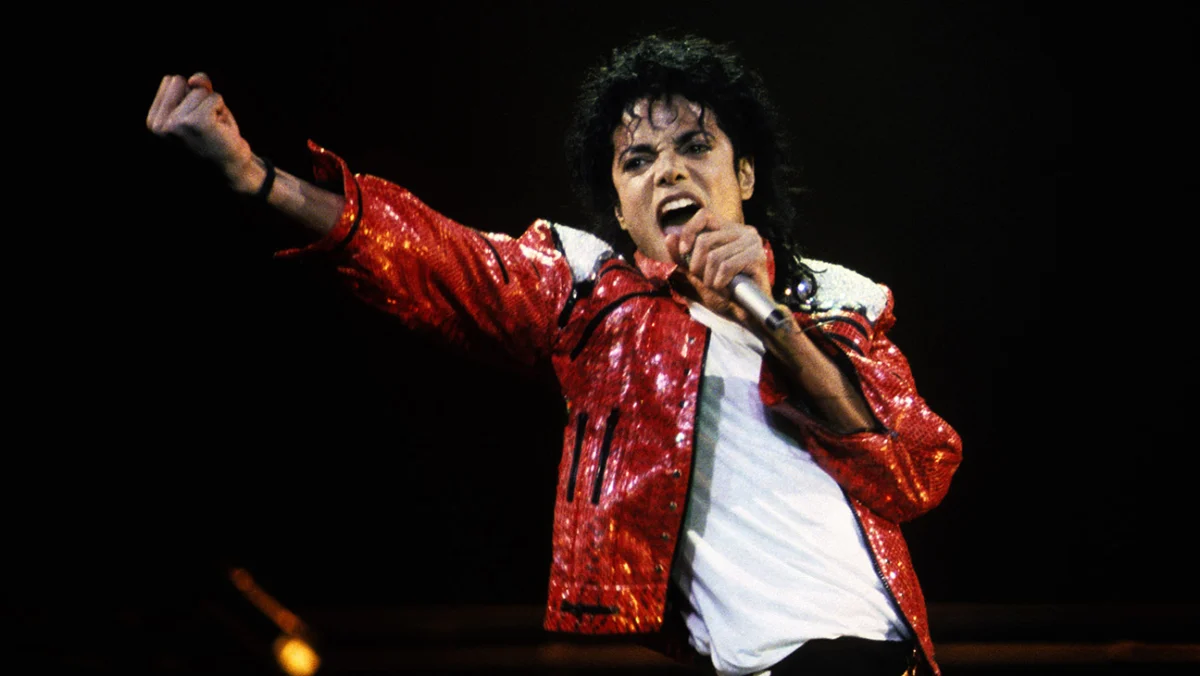
As Lionsgate prepares to unveil its highly anticipated biopic "Michael," a member of the iconic Michael Jackson family has publicly voiced strong criticism of media coverage surrounding the film and the late music superstar’s life. Taj Jackson, a musician and producer and nephew of the King of Pop, has taken to social media to challenge what he perceives as the media’s control over Michael Jackson’s narrative, asserting that the upcoming film will allow the public to form their own conclusions. The movie, slated for release in theaters and IMAX this Friday, stars Jaafar Jackson, Michael Jackson’s nephew, in his feature film debut as the legendary artist.
A New Chapter in the Michael Jackson Narrative
"Michael" aims to chronicle the formative years and meteoric rise to fame of Michael Jackson, a figure whose cultural impact remains undeniable decades after his peak. The film’s narrative arc is reportedly set to conclude in the 1980s, a period marked by the unprecedented success of albums like "Thriller," which continues to hold the record for the best-selling album of all time. The ensemble cast supporting Jaafar Jackson includes Colman Domingo as Joe Jackson, Michael’s father, and Nia Long as his mother, Katherine. Miles Teller, Laura Harrier, Kat Graham, Larenz Tate, and Derek Luke also feature in the film, directed by Antoine Fuqua.
Taj Jackson’s Public Stand Against Media Narratives
Taj Jackson, son of Tito Jackson, one of Michael Jackson’s elder brothers and a founding member of The Jackson 5, expressed his discontent on Tuesday via the social media platform X (formerly Twitter). He directly addressed the media, stating, "Sorry media, u don’t get to control the narrative anymore of who Michael Jackson truly was." Taj Jackson’s assertion suggests a belief that past media portrayals have unfairly shaped public perception of his uncle, particularly in light of the controversies and legal challenges that shadowed Jackson’s later life.
His message continued, highlighting the role of the film in potentially reshaping public understanding: "The public gets to watch this movie…they will decide for themselves. And you can’t handle that." This sentiment underscores a perceived power struggle between established media narratives and the potential for a biographical film, authorized by the estate, to offer a different perspective.
In a subsequent post, Taj Jackson intensified his critique, indicating his anticipation for potential shifts in critical reception: "Can’t wait till some critics have to eat crow. And yes I will be that petty." This remark suggests a preparedness for a backlash from critics who may have previously taken a negative stance on Michael Jackson’s legacy or the coverage of his life, and hints at his eagerness to see those opinions challenged by the film’s reception.
Box Office Projections and Critical Reception
The release of "Michael" is expected to generate significant commercial interest. Projections indicate a domestic opening that could surpass $65 million, signaling strong audience anticipation for a film centered on one of music’s most enduring figures. However, the critical response thus far has been mixed. As of its release, the film holds a 36 percent approval rating on Rotten Tomatoes, suggesting a divergence of opinions among reviewers.
In his review for The Hollywood Reporter, chief film critic David Rooney described the feature as "surprisingly affecting." He also noted a potential point of contention, observing, "The film leaves itself open to accusations of making Michael a saint, which will not sit well with the cancel crowd." This observation touches upon the ongoing societal debates surrounding Jackson’s life and the complexities of portraying him on screen, particularly in an era highly sensitive to issues of alleged misconduct.
Historical Context and Film’s Development
The production of "Michael" has not been without its challenges and significant narrative decisions. The Hollywood Reporter previously reported that an earlier, more extensive cut of the film was intended to include scenes depicting Michael Jackson addressing child sexual abuse allegations. This initial version reportedly featured a portrayal of an accuser whose settlement with Jackson’s estate included a stipulation against his dramatization. This legal constraint reportedly necessitated a significant retooling of the film’s narrative structure.
Furthermore, Lionsgate has been developing a second film project that is intended to cover the latter portion of Jackson’s life, leading up to his death in 2009. This suggests a long-term strategy to explore different facets of Jackson’s life and career through cinematic storytelling.
Taj Jackson’s History of Advocacy
Taj Jackson’s current stance is consistent with his past advocacy for his uncle’s reputation. He was a prominent voice in response to the 2019 documentary "Leaving Neverland," which presented the testimonies of two individuals who accused Michael Jackson of child sexual abuse. At the time of the documentary’s release, Taj Jackson publicly refuted the allegations, deeming them "false and defamatory." His ongoing defense of Michael Jackson’s legacy indicates a deeply held conviction about his uncle’s character and the need to counter what he perceives as damaging narratives.
The Enduring Legacy and Public Discourse
Michael Jackson’s career, spanning over four decades, was marked by extraordinary musical achievements and unprecedented global stardom. His influence on popular music, dance, and fashion is immeasurable. Albums like "Off the Wall" (1979), "Thriller" (1982), and "Bad" (1987) redefined the music industry, breaking sales records and cultural barriers. Hits such as "Don’t Stop ‘Til You Get Enough," "Billie Jean," "Beat It," and "Man in the Mirror" remain staples of radio and cultural playlists worldwide.
However, Jackson’s personal life became increasingly scrutinized, particularly in the 1990s and early 2000s, with allegations of child sexual abuse casting a long shadow over his final years. These accusations, coupled with his unique lifestyle and public image, fueled intense media speculation and public debate, culminating in a highly publicized trial in 2005, from which he was acquitted on all charges. His death in 2009 at the age of 50 further intensified public interest and reflection on his complex life and career.
The release of "Michael" arrives at a time when discussions about celebrity, accountability, and the portrayal of controversial figures in media are more prevalent than ever. The film’s success, both commercially and critically, will likely hinge not only on its cinematic merits but also on its ability to navigate the sensitive and often contentious legacy of its subject. Taj Jackson’s vocal intervention underscores the ongoing internal family efforts to shape this narrative, positioning the film as a pivotal moment for the public to engage directly with a curated version of Michael Jackson’s story, potentially challenging years of media interpretation. The box office performance and subsequent critical analysis will undoubtedly reveal how effectively the film can shift or reinforce public perception of one of the 20th century’s most influential and enigmatic artists.








