Nila Kartika Wati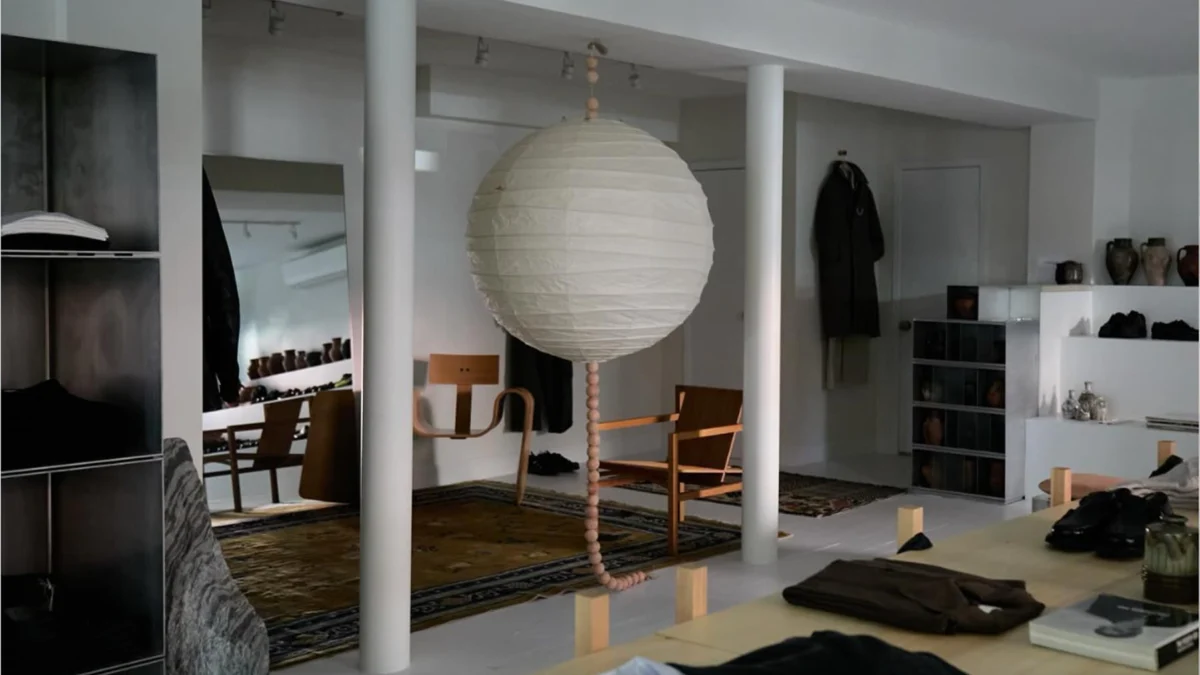
The global fashion landscape is undergoing a fascinating recalibration, with a growing contingent of independent retailers consciously opting out of the digital marketplace. While the prevailing narrative has long championed the necessity of an online presence for survival, a new wave of boutique owners, from the trendy streets of Brooklyn to the historic quarters of Berlin, are actively choosing to forgo e-commerce. Their strategy hinges on a potent belief: that a meticulously curated and deeply engaging in-store experience can not only attract local clientele but also draw shoppers from further afield, creating a unique and resilient retail model.
This trend, though seemingly counterintuitive in an era dominated by digital convenience, is rooted in a desire to cultivate authentic connections and offer tangible value that transcends the transactional nature of online shopping. These retailers are betting that the sensory richness of physical retail – the tactile pleasure of fabrics, the visual appeal of thoughtfully arranged displays, the personal touch of knowledgeable staff, and the serendipitous discovery of unique items – offers an experience that cannot be replicated on a screen.
The Rise of the Experiential Boutique
At the heart of this movement is a fundamental shift in how consumers engage with brands and products. The pandemic undeniably accelerated the adoption of online shopping, making it an indispensable channel for many. However, as the world reopened, a counter-reaction emerged, with consumers seeking out more meaningful and memorable interactions. For independent retailers, this presented an opportunity to lean into their inherent strengths.
Christopher Green, proprietor of Ven. Space, a newly opened menswear boutique in Carroll Gardens, Brooklyn, embodies this philosophy. Opened in 2024, Ven. Space has deliberately eschewed an online store. Green’s vision for his boutique is not merely about selling clothes, but about fostering a community hub. He envisions the physical space as a place where customers can discover emerging designers, engage in conversations about style, and experience a level of personalized service that online platforms struggle to replicate. This approach is not unique to Green; similar sentiments are being echoed by independent store owners globally.
Data from recent retail surveys supports this growing emphasis on in-store experiences. A 2023 report by Deloitte found that a significant percentage of consumers (over 70%) still prefer shopping in physical stores for certain categories, citing the ability to see and touch products, as well as the immediate gratification of taking items home. Furthermore, the report highlighted that shoppers who have positive in-store experiences are more likely to become repeat customers and brand advocates. This underscores the potential for brick-and-mortar retailers to build lasting loyalty through superior customer engagement.
Strategic Deliberation: The Case Against E-commerce
The decision to abstain from e-commerce is rarely an oversight; for these retailers, it is a calculated and strategic choice. The operational complexities and costs associated with establishing and maintaining a robust online store – from website development and digital marketing to inventory management across multiple channels and shipping logistics – can be substantial, particularly for small, independent businesses. By focusing their resources and efforts exclusively on their physical presence, these retailers can invest more deeply in creating an exceptional in-store environment.
This investment manifests in several key areas:
- Curated Product Assortments: Without the pressure to stock a vast inventory to cater to every online whim, these boutiques can focus on highly curated collections, featuring unique pieces from independent designers and niche brands that align with their distinct aesthetic and target customer. This exclusivity often becomes a significant draw.
- Immersive Store Design: The physical space is treated as a canvas for brand storytelling. This includes thoughtful interior design, ambient lighting, carefully selected music, and visually appealing merchandising that transforms the act of shopping into an enjoyable and engaging experience.
- Exceptional Customer Service: The human element is paramount. Staff are trained to be knowledgeable advisors, stylists, and community builders, offering personalized recommendations and fostering genuine relationships with customers. This level of interaction is difficult to replicate online.
- Community Engagement: Many of these retailers are actively integrating their stores into the local fabric, hosting events, workshops, and collaborations that foster a sense of community and belonging. This transforms the store from a transactional space into a cultural hub.
The timeline of this emerging trend is still unfolding, but anecdotal evidence suggests a steady increase in independent retailers adopting this model over the past few years, particularly in urban centers with a strong appreciation for artisanal and locally sourced goods. While specific data tracking this precise niche is nascent, the broader conversation within the retail industry has shifted from "omnichannel is mandatory" to a more nuanced understanding of how different retail models can coexist and thrive.
Voices from the Front Lines: Retailer Perspectives
The motivations behind this digital detox vary, but a common thread is the desire to preserve the essence of independent retail. For many, the relentless pace and impersonal nature of online commerce can dilute the unique identity of their brand and the personal connection they aim to build with their customers.
One such retailer, who requested anonymity to speak candidly, shared their rationale: "We found that trying to be everywhere online was stretching us too thin. We were spending more time managing our website and social media than actually engaging with our customers in the store. We decided to double down on what we do best: creating a beautiful, welcoming space where people can come and experience our collection firsthand. The feedback has been overwhelmingly positive. Customers tell us they appreciate the escape from the digital noise and the opportunity to discover something truly special."
This sentiment is echoed by observers of the retail sector. Sarah Jenkins, a retail analyst specializing in independent businesses, notes, "There’s a growing fatigue with the transactional nature of online shopping. Consumers are actively seeking out brands that offer a deeper connection, a sense of discovery, and a tangible experience. For independent retailers, this is a golden opportunity to differentiate themselves by prioritizing their physical footprint and investing in the human element of retail."
Implications and Future Outlook
The resurgence of the in-store-only model has several significant implications for the broader retail ecosystem.
- Rethinking Retail Strategy: It challenges the long-held assumption that a comprehensive digital presence is a prerequisite for success. This may encourage larger retailers to re-evaluate their own strategies, potentially reinvesting in their physical store experiences rather than solely focusing on expanding their online offerings.
- Supporting Local Economies: By drawing customers into their neighborhoods, these independent stores can contribute to the vitality of local high streets and commercial districts, fostering a sense of place and community.
- Shifting Consumer Expectations: As more consumers experience the benefits of these curated, in-person retail environments, their expectations for physical stores may evolve, pushing all retailers to elevate their in-store offerings.
- Niche Market Dominance: While not a model for every business, it carves out a distinct and valuable niche for retailers who prioritize authenticity, craftsmanship, and personal connection.
The long-term viability of this model will depend on several factors, including the continued appeal of tactile experiences, the ability of these retailers to consistently deliver exceptional in-store service, and their capacity to effectively market their physical locations to attract their target audience. However, the growing number of independent boutiques choosing this path suggests a powerful and enduring shift in consumer preferences, one that prioritizes genuine connection and tangible discovery over digital convenience alone. As Christopher Green and his contemporaries demonstrate, the future of retail may not solely be about reaching customers online, but about creating compelling destinations that invite them to step inside and experience something truly unique.