Ferry Irwandi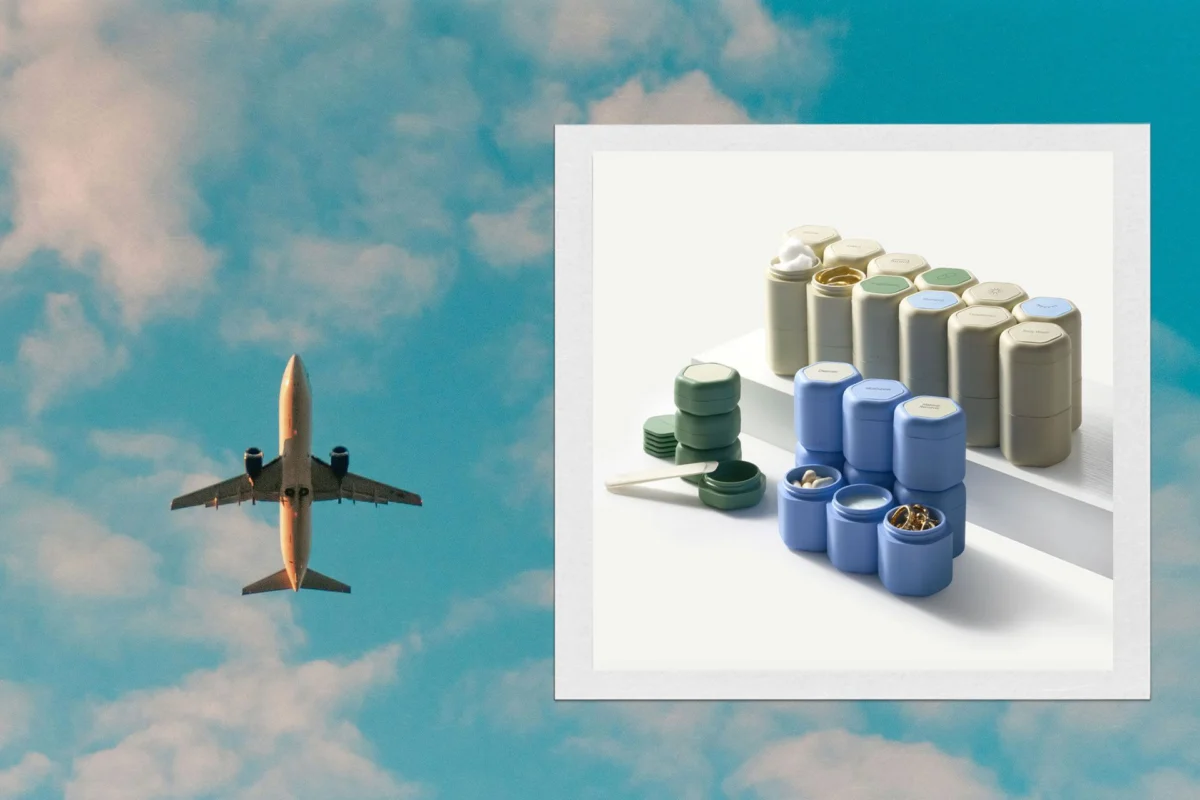
The global travel accessories market has undergone a significant transformation over the last decade, shifting from disposable, single-use plastics toward high-durability, modular systems designed for the frequent flier. At the forefront of this shift is the emergence of specialized containment systems, such as Cadence Capsules, which utilize magnetic technology and medical-grade materials to address long-standing issues in personal care logistics. These systems represent a broader industrial movement toward "reusable ecosystems," where consumers invest in long-term hardware rather than temporary solutions. By integrating magnetic modularity with TSA-compliant dimensions, these containers are redefining the standards for leakproof performance and organizational efficiency in the luggage industry.
Technical Specifications and Modular Engineering
The architecture of modern travel containers has moved beyond the traditional "squeeze tube" model toward rigid, hexagonal, or rounded structures. The Cadence system, for instance, utilizes a BPA-free material blend that ensures chemical stability for a wide range of products, including high-viscosity creams, oil-based cleansers, and pharmaceutical tablets. A primary engineering feat of these capsules is the elimination of right angles and sharp internal edges. This design choice serves a dual purpose: it facilitates the complete extraction of product—thereby reducing waste—and allows for easier sanitization between uses, a factor that has gained increased importance in the post-pandemic travel landscape.
The system is categorized into three primary volume capacities to align with Transportation Security Administration (TSA) guidelines and international aviation standards. The "Small" capsule offers a capacity of 0.56 ounces, primarily intended for concentrated serums or jewelry. The "Medium" variant, at 1.32 ounces, serves as the standard for daily essentials such as moisturizers or cleansers. The "Large" iteration provides 2.75 ounces of storage, nearing the maximum allowable limit for carry-on liquids in many jurisdictions. Furthermore, the introduction of the "Flex Extender" adds an additional 1.43 ounces of volume, allowing for customization of the "Medium" capsule to suit longer itineraries while remaining within the legal 3.4-ounce (100ml) threshold for liquid carry-ons.
Chronology of Travel Regulation and Product Adaptation
The demand for high-end reusable travel containers is deeply rooted in the history of aviation security. Following the 2006 transatlantic aircraft plot, the TSA and international aviation bodies implemented the "3-1-1" rule, which restricts liquids, aerosols, and gels to containers of 3.4 ounces or less, all of which must fit into a single quart-sized bag. This regulation led to a massive influx of "travel-sized" products in retail pharmacies—small, single-use plastic bottles that contribute significantly to global plastic waste.
Between 2010 and 2018, the travel industry saw a surge in silicone "squeeze" bottles, which offered reusability but often failed due to pressure changes in aircraft cabins, leading to leaks. In 2019, the market began to see the introduction of "premium modularity." Cadence, founded by Steph Hon, entered the market during this period with a focus on magnetic connectivity and aesthetic durability. The timeline of the product’s evolution reflects a broader trend: the "premiumization" of travel, where consumers seek products that offer both functional reliability (leakproofing) and organizational satisfaction.
Supporting Data: The Environmental and Economic Impact
The shift toward reusable capsules is supported by sobering data regarding plastic pollution. According to environmental impact reports, the hospitality industry alone generates millions of tons of plastic waste annually from "mini" toiletry bottles. While many hotel chains have begun transitioning to wall-mounted dispensers, the individual traveler’s reliance on personal products remains a significant factor in plastic consumption.
Market analysis from the Travel Goods Association (TGA) suggests that the "Organization and Packing" sub-sector of the travel industry has grown by approximately 12% annually since 2021. Consumers are increasingly willing to pay a higher upfront cost for "lifetime" products. A single set of durable capsules, such as the "Bestseller Bundle"—which typically includes five medium capsules, two small capsules, and a flex extender—is positioned as a one-time investment that replaces hundreds of single-use bottles over a five-year period.
Furthermore, the data regarding leak protection is a critical driver of consumer behavior. Surveys of frequent business travelers indicate that "liquid damage to electronics or clothing" is a top-five travel frustration. The engineering of 100% leakproof seals, achieved through screw-top threading and reinforced gaskets, addresses a primary pain point that traditional flip-top travel bottles could not resolve.
Industry Reactions and Design Analysis
The design community has largely praised the move toward modularity, though some experts note the inherent trade-offs in specialized engineering. The magnetic "clinging" feature, which allows capsules to stay grouped together in a toiletry bag, has been cited as a major advancement in tactile organization. However, the move away from squeezable materials has introduced new challenges.
Industry analysts point out that while rigid containers are more leakproof, they can be more difficult for users to dispense product from, particularly for those with limited hand mobility. In response to this feedback, the industry has seen the introduction of "Adapters"—specialized lids designed to allow for pouring or dripping. However, initial user data suggests that these adapters can be difficult to remove, highlighting a persistent tension in product design between "secure sealing" and "user-friendly interchangeability."
Professional organizers have noted that the use of interchangeable magnetic labels—featuring icons for shampoo, cleanser, and SPF—reduces "cognitive load" during travel. This psychological benefit, while difficult to quantify, is a significant marketing pillar for high-end travel brands.
Broader Impact on the Travel Lifestyle
The implications of the modular capsule trend extend beyond mere convenience. This movement is part of a larger "minimalist travel" philosophy that encourages travelers to carry less while maintaining a high standard of personal care. By allowing users to bring their own high-quality products from home—rather than relying on the often-harsh chemicals found in hotel-provided toiletries—these systems support the growing "clean beauty" and "personalized wellness" sectors.
Moreover, the durability of these materials (often recycled ocean-bound plastics or high-grade polymers) aligns with the ESG (Environmental, Social, and Governance) goals of modern corporations. As more companies mandate sustainable travel practices for their employees, the adoption of reusable containment systems is expected to become a standard corporate travel requirement.
Conclusion: The Future of Modular Containment
As we look toward the future of the travel industry, the integration of technology and physical storage is likely to continue. There is ongoing speculation regarding the integration of RFID tags or smart sensors into travel capsules to help travelers track their inventory via smartphone apps. For now, the focus remains on material science and mechanical reliability.
The success of modular systems like Cadence suggests that the modern traveler is no longer satisfied with "good enough" solutions. The demand for leakproof integrity, aesthetic cohesion, and environmental responsibility has created a new niche in the luxury travel market. While challenges remain regarding the ease of use for certain adapters and the high entry price compared to traditional plastics, the trajectory of the market is clear: the future of travel is organized, sustainable, and modular. Through rigorous engineering and a deep understanding of aviation regulations, the industry is successfully transforming the mundane task of packing toiletries into a streamlined, high-performance experience.