Danny Garick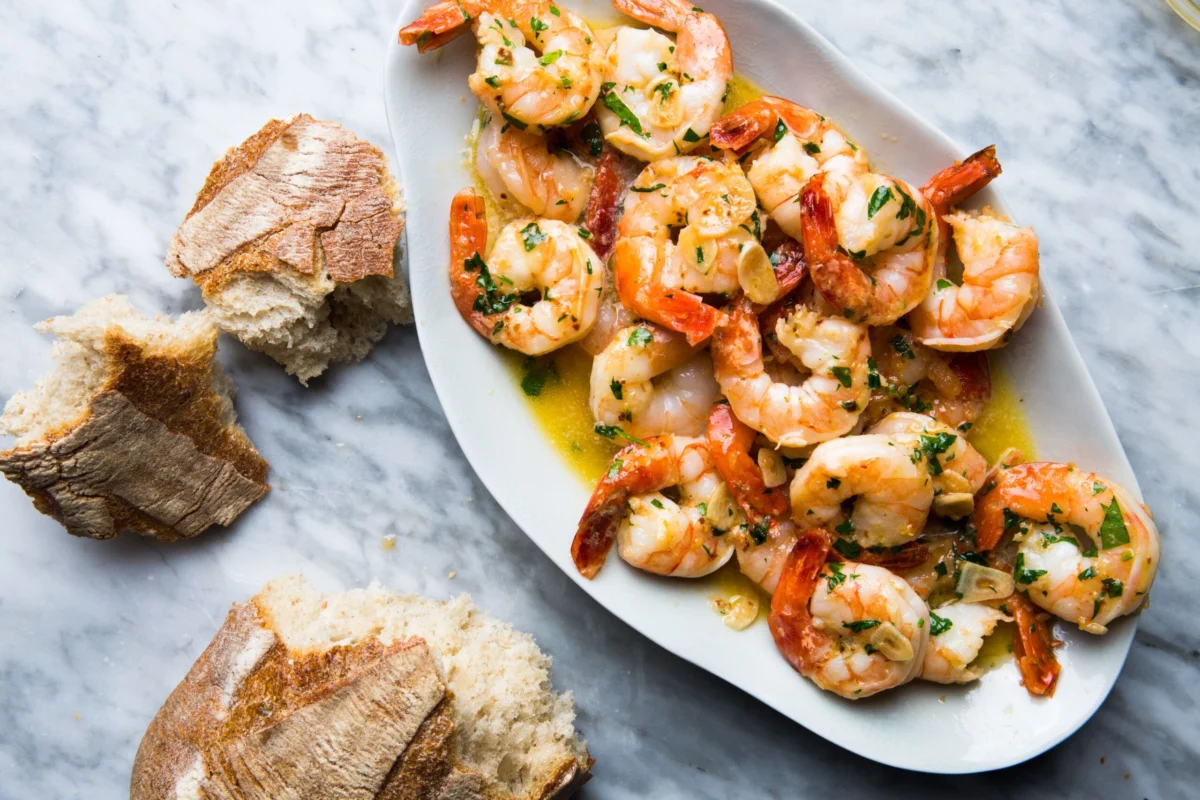
The culinary landscape of home dining has undergone a significant transformation, with refined dishes like shrimp scampi emerging as the benchmark for efficient yet elegant gastronomy. Defined by its use of tender crustaceans, aromatic garlic, crisp white wine, and a sophisticated lemon-butter emulsion, shrimp scampi represents a pinnacle of Italian-American fusion. While the dish is celebrated for its rapid preparation time, its success relies on a rigorous adherence to technique and a nuanced understanding of ingredient chemistry. From the critical importance of a 30-to-60-minute marinade to the delicate physics of sauce emulsification, the preparation of scampi serves as a case study in how simple components can be elevated through precision and informed sourcing.
The Evolution of Scampi: A Historical and Culinary Chronology
The history of shrimp scampi is a narrative of adaptation and cultural integration. To understand the modern iteration of the dish, one must look at the etymology and the biological origins of the ingredients involved. In Italy, "scampi" refers specifically to Nephrops norvegicus, also known as the Dublin Bay Prawn or langoustine. These are small, lobster-like crustaceans found in the Adriatic Sea.
When Italian immigrants arrived in the United States in the late 19th and early 20th centuries, they found that true scampi were unavailable. In a move of culinary pragmatism, they substituted locally available shrimp but retained the traditional preparation style: sautéing the seafood with olive oil, garlic, onion, and white wine.
- Late 19th Century: Italian immigrants bring the "scampi style" of preparation to the Atlantic coast of the United States.
- 1920s-1950s: The dish gains popularity in Italian-American enclaves in New York and New Jersey, eventually appearing on mainstream restaurant menus as "Shrimp Scampi," a redundant but descriptive name that translated to "Shrimp prepared in the style of scampi."
- 1960s-1980s: The dish becomes a staple of "Continental" dining, often served over linguine or with crusty Italian bread to soak up the increasing volumes of butter-based sauce.
- 21st Century: Modern culinary science emphasizes the importance of marination and temperature control, moving away from heavy, over-reduced sauces toward lighter, more vibrant emulsions that highlight the freshness of the seafood.
Sourcing and Sustainability: The Economics of the Modern Shrimp Market
The quality of a shrimp scampi dish is fundamentally dictated by the raw material. In the current global marketplace, the sourcing of shrimp involves complex logistical and environmental considerations. According to data from the National Oceanic and Atmospheric Administration (NOAA), shrimp remains the most popular seafood in the United States, with the average American consuming approximately 5.9 pounds per year.
For the home cook, the choice between "fresh" and frozen shrimp is often misunderstood. Industry experts note that unless a consumer has direct access to a coastal fishmonger, frozen wild-caught or sustainably farmed shrimp are statistically likely to be fresher than the "fresh" options found in supermarket display cases. Most commercial shrimp are flash-frozen on the vessel immediately after harvest to preserve cellular integrity. The shrimp labeled "fresh" at the counter are frequently these same frozen units that have been thawed by the retailer, a process that begins the window of enzymatic degradation.
Sustainability also plays a critical role in the selection process. The Monterey Bay Aquarium Seafood Watch program provides rigorous standards for shrimp sourcing, recommending wild-caught options from the Gulf of Mexico or US South Atlantic, or farmed shrimp from indoor recirculating tanks. These methods mitigate the environmental impact of traditional bottom trawling and the habitat destruction often associated with unregulated coastal shrimp farms in Southeast Asia and South America.
The Chemistry of the Marinade and the Emulsion
The transition from a "good" scampi to an "outstanding" one is found in the application of food science, specifically regarding protein seasoning and fat-water emulsions.
The Power of the Marinade
While many quick-cooking recipes suggest immediate sautéing, a 30-to-60-minute marinade is a critical technical step. During this period, salt and aromatics penetrate the shrimp via osmosis. Salt, in particular, denatures the outer layers of the shrimp protein, allowing it to retain more moisture during the high-heat cooking process. This results in a "snappy" texture rather than a rubbery one. Experts warn against exceeding the one-hour mark, as the acid from lemon or the enzymes in garlic can begin to "cook" the shrimp prematurely, leading to a mushy consistency similar to ceviche.
The Physics of the Sauce
Shrimp scampi sauce is technically a butter emulsion. This involves the suspension of fat droplets within a water-based liquid (the wine and lemon juice). The challenge lies in the stability of this mixture. If the pan is too hot or the liquid reduces too quickly, the emulsion "breaks," resulting in a greasy layer of clarified butter and a separate, watery residue.
To achieve a glossy, "restaurant-grade" finish, the butter must be cold when added to the pan. This technique, known in French cuisine as monter au beurre, allows the milk solids in the butter to act as natural emulsifiers as they melt slowly into the simmering wine and lemon juice. If a sauce does break, the application of a small amount of cold water combined with vigorous agitation (whisking or swirling the pan) can re-establish the emulsion by providing a fresh medium for the fat to bind with.
Supporting Data: Nutritional and Market Trends
The continued popularity of shrimp scampi is supported by both its nutritional profile and its economic accessibility.
- Nutritional Density: A standard serving of shrimp (approximately 3 ounces) contains 18 grams of protein and only 84 calories. It is a significant source of selenium, vitamin B12, and choline.
- Preparation Speed: Market research into home cooking habits suggests that the "30-minute meal" category remains the most sought-after by the working-age demographic. Shrimp scampi, which requires less than 10 minutes of active heat, fits perfectly into this demand.
- Wine Market Synergy: The scampi recipe drives significant retail activity in the white wine sector. Crisp, dry Italian whites such as Vermentino and Pinot Grigio are the preferred pairings. These wines possess high acidity and mineral notes that cut through the richness of the butter sauce while complementing the salinity of the shrimp.
Expert Perspectives and Culinary Responses
Culinary professionals emphasize that the simplicity of scampi is deceptive. "The margin for error is slim," notes one industry chef. "The difference between a translucent, tender shrimp and a dry, overcooked one is often a matter of 30 seconds."
The consensus among professional kitchens is that "mise en place"—the French practice of having all ingredients prepped and ready before cooking begins—is non-negotiable for this dish. Because the sauce reduces and the shrimp cook almost simultaneously, there is no time for chopping garlic or measuring wine once the pan is hot.
Furthermore, the choice of liquid is a point of professional debate. While white wine is the standard, some chefs advocate for a "low-moisture" approach, using minimal stock and higher fat content for a more luxurious mouthfeel. For those opting for a non-alcoholic version, the use of high-quality fish stock or clam juice is recommended to maintain the "briny" depth that wine usually provides.
Broader Impact and Culinary Implications
The prominence of shrimp scampi in the modern repertoire reflects a broader trend toward "at-home luxury." As the cost of high-end dining increases, consumers are increasingly looking to recreate restaurant experiences in their own kitchens. Scampi represents an accessible entry point into this world; the ingredients are premium but not prohibitively expensive, and the results are visually impressive.
Moreover, the dish serves as a foundational lesson in pan-sauce technique. Mastering a scampi sauce provides a home cook with the skills necessary to execute a wide range of other emulsion-based dishes, from Piccata to Beurre Blanc. This educational aspect of the recipe contributes to a more informed and capable population of home cooks.
In conclusion, the modern shrimp scampi is more than a simple dinner option; it is a convergence of history, environmental science, and chemistry. By prioritizing sustainable sourcing, respecting the biological requirements of the protein through marination, and mastering the delicate art of the butter emulsion, the home cook participates in a culinary tradition that spans continents and generations. As dining habits continue to evolve, the scampi’s balance of elegance and efficiency ensures its place as a permanent fixture in the global gastronomic canon.