Jono Maryono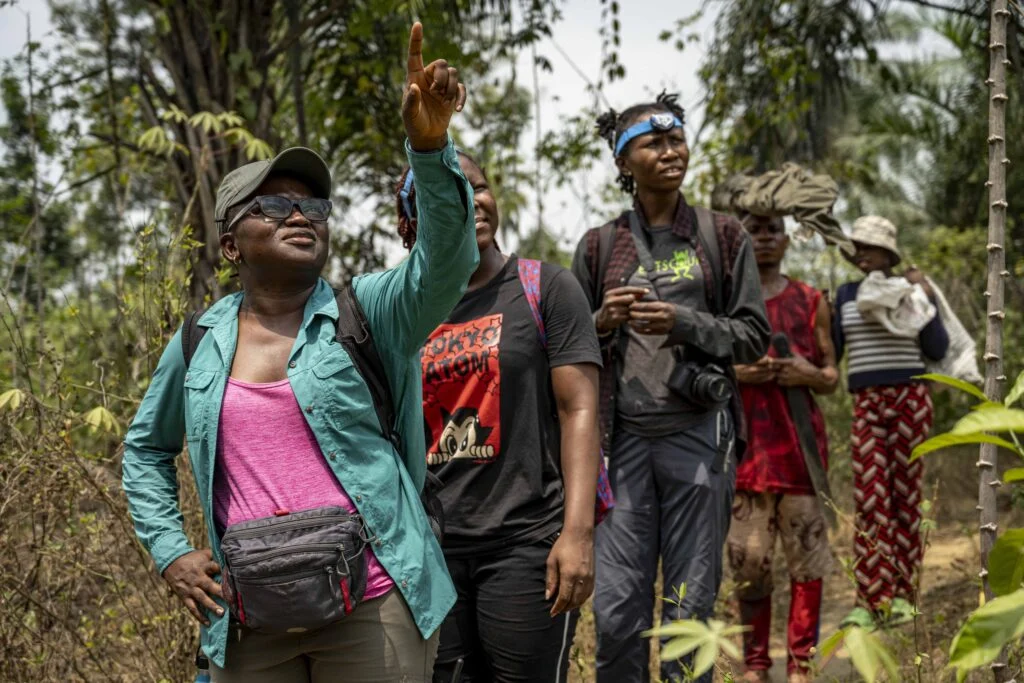
This year’s prestigious Goldman Environmental Prize has been awarded to six remarkable grassroots environmental activists, all women, from across the globe for their unwavering dedication to combating climate change and safeguarding biodiversity. This historic all-women cohort, hailing from Colombia, Nigeria, Papua New Guinea, South Korea, the United Kingdom, and the United States, marks a significant milestone for the prize, established in 1989 by philanthropists Richard and Rhoda Goldman. The laureates, recognized for their courageous and impactful work in diverse environmental battles, will each receive $200,000 to further their crucial efforts.
Often referred to as the "Green Nobel," the Goldman Environmental Prize selects recipients from each of the world’s six primary geographic regions, acknowledging outstanding achievements in environmental activism at the community level. The selection of an entirely female group of winners underscores a growing recognition of the vital role women play in environmental leadership and advocacy, often on the front lines of environmental degradation and climate impacts.
"While we continue to fight uphill to protect the environment and implement lifesaving climate policies – in the US and globally – it is clear that true leaders can be found all around us," stated John Goldman, vice president of the Goldman Environmental Foundation. "The 2026 Prize winners are proof positive that courage, hard work, and hope go a long way toward creating meaningful progress." This sentiment highlights the foundation’s commitment to recognizing and amplifying the voices of those directly affected by environmental challenges and who are actively working towards solutions.
A Global Tapestry of Environmental Resilience
The 2026 cohort represents a diverse array of environmental struggles, from confronting multinational fossil fuel corporations to protecting vital ecosystems and endangered species. Their victories, often achieved against formidable odds, offer tangible examples of how localized activism can yield significant global impact.
Yuvelis Morales Blanco: Championing Colombia’s Waterways Against Fracking
Representing South and Central America, Yuvelis Morales Blanco, a 24-year-old from the Afro-Colombian community of Puerto Wilches, has been honored for her tenacious fight to halt the introduction of commercial fracking in Colombia. Growing up along the banks of the Magdalena River, Morales Blanco developed a profound connection to the vital waterway, describing it as "like a mother who took care of me." Her activism ignited in 2018 following a devastating oil spill that displaced numerous families and resulted in the deaths of thousands of animals. Despite facing intimidation and forced relocation, her persistent organizing and advocacy brought fracking to the forefront of Colombia’s 2022 general election, ultimately contributing to the halting of projects and raising critical awareness about the risks of hydraulic fracturing. Her success is a testament to the power of community-led resistance against powerful industrial interests that threaten vital natural resources.
Borim Kim: Empowering Future Generations Through Climate Litigation in South Korea
In the Asia region, Borim Kim has been recognized for her pioneering work in youth-led climate litigation. As the founder of the Youth 4 Climate Action organization, Kim successfully challenged South Korea’s climate policies. Her legal efforts culminated in a landmark ruling by the Constitutional Court, which declared the government’s climate policy to be in violation of the constitutional rights of future generations. This victory represents the first successful youth-led climate litigation on the continent, setting a powerful precedent for climate accountability and intergenerational justice. The ruling acknowledges that current environmental policies have direct implications for the well-being and rights of those who will inherit the planet.
Sarah Finch: Securing a Precedent for Global Climate Considerations in UK Oil Drilling
For Europe, Sarah Finch has been lauded for her decade-long struggle against oil drilling in southeastern England. Her activism, in collaboration with the Weald Action Group, led to a historic Supreme Court ruling in June 2024, known as the "Finch ruling." This judgment mandates that authorities must consider the global climate impacts of fossil fuels before granting permission for their extraction. Finch has explicitly stated her intention to utilize her prize money to continue her fight against fossil fuel extraction, underscoring the ongoing need for vigilance and legal challenges in transitioning to a sustainable energy future. This ruling has significant implications for regulatory bodies and energy companies across the UK and potentially beyond, establishing a stronger framework for assessing the cumulative environmental costs of fossil fuel projects.
Theonila Roka Matbob: Holding Mining Giants Accountable in Papua New Guinea
The Islands and Island Nations region is represented by Theonila Roka Matbob, who spearheaded a successful campaign against Rio Tinto, the world’s second-largest mining company. Her efforts have compelled the company to address the severe environmental and social devastation caused by its Panguna copper mine in Papua New Guinea. The mine, closed for 35 years following an uprising, had inflicted significant damage on local communities and ecosystems. Matbob’s leadership in demanding accountability from a global mining giant highlights the persistent challenges faced by communities impacted by extractive industries and the importance of advocating for environmental remediation and social justice.

Alannah Acaq Hurley: Defending Alaska’s Pristine Ecosystems from Mega-Mining
In North America, Alannah Acaq Hurley, a member of the Yup’ik nation in the United States, has been recognized for her pivotal role in defending Alaska’s Bristol Bay region. Alongside 15 tribal nations, Hurley successfully fought against a proposed mega-copper and gold mining project that threatened to decimate the region’s vital ecosystems, including the world’s largest wild salmon runs. The victory represents a significant win for Indigenous sovereignty, environmental protection, and the preservation of invaluable natural resources that support both local economies and global biodiversity. The Bristol Bay region is a critical habitat for numerous species, and the protection of its salmon runs has far-reaching ecological and cultural implications.
Iroro Tanshi: Conserving Endangered Wildlife in Nigeria
Rounding out the cohort, Iroro Tanshi, Africa’s laureate, has dedicated her work to the conservation of the endangered short-tailed roundleaf bat. Tanshi rediscovered the elusive species and has been tirelessly working to protect its habitat, the Afi Mountain Wildlife Sanctuary, from human-induced wildfires. Her efforts underscore the critical importance of preserving biodiversity hotspots and safeguarding endangered species, often in remote and under-resourced areas. The Afi Mountain Wildlife Sanctuary is a vital ecosystem, and Tanshi’s dedication ensures the survival of unique flora and fauna.
A Legacy of Environmental Advocacy and a Call to Action
The Goldman Environmental Prize has a long-standing tradition of recognizing individuals who demonstrate extraordinary courage, resilience, and effectiveness in defending the environment. Since its inception, the prize has highlighted over 200 laureates, many of whom have gone on to achieve significant policy changes and inspire global movements. The 2026 cohort’s achievements are particularly noteworthy given the escalating global climate crisis and the increasing pressure on natural resources.
The impact of these laureates extends far beyond their immediate communities. Their victories serve as powerful case studies and sources of inspiration for environmental activists worldwide. The financial support provided by the prize will enable them to scale their initiatives, expand their networks, and continue their critical work.
Context and Background of the Goldman Prize:
Established by Richard and Rhoda Goldman, the prize was conceived as a way to honor individuals at the grassroots level who were making a tangible difference in environmental protection but often lacked the recognition and resources of larger organizations. The selection process involves a global network of nominators, including environmental organizations and academic institutions, who identify candidates based on their demonstrable impact and leadership. The six regional categories were designed to ensure a global representation of environmental issues and challenges.
Timeline of Impact and Broader Implications:
The laureates’ work often spans years, even decades, demonstrating a sustained commitment to their respective causes. For instance, Sarah Finch’s campaign against oil drilling spanned over a decade, culminating in the significant Supreme Court ruling. Similarly, Theonila Roka Matbob’s advocacy for the Panguna mine’s environmental impact has been ongoing since the mine’s closure.
The implications of this year’s prize are multifaceted:
- Empowerment of Women in Environmentalism: The all-women cohort undeniably elevates the profile of women as powerful environmental leaders, challenging traditional gender roles in activism and policy-making. This recognition can inspire more women to engage in environmental advocacy.
- Strengthening Legal Frameworks: Victories like Borim Kim’s and Sarah Finch’s highlight the growing effectiveness of legal challenges and constitutional rights in advancing environmental protection. This sets precedents for future environmental litigation globally.
- Highlighting Indigenous Rights and Environmental Justice: Alannah Acaq Hurley’s win underscores the crucial role of Indigenous communities in protecting vital ecosystems and advocating for their rights. It brings attention to the intersection of environmental justice and Indigenous sovereignty.
- Urgency of Climate Action: The focus on combating fossil fuels by Morales Blanco, Kim, and Finch serves as a stark reminder of the urgent need for global transitions away from carbon-intensive energy sources to mitigate the worst impacts of climate change.
- Biodiversity Conservation: Iroro Tanshi’s work exemplifies the critical need for focused efforts on species conservation and habitat protection, especially for lesser-known but ecologically significant species.
The Goldman Environmental Prize continues to shine a spotlight on the unsung heroes of environmental protection. This year’s historic all-women cohort not only celebrates their individual triumphs but also signals a powerful shift in recognizing the indispensable contributions of women to the global fight for a sustainable future. Their courage, dedication, and impactful work serve as a beacon of hope and a call to action for a healthier planet.