Johny Marice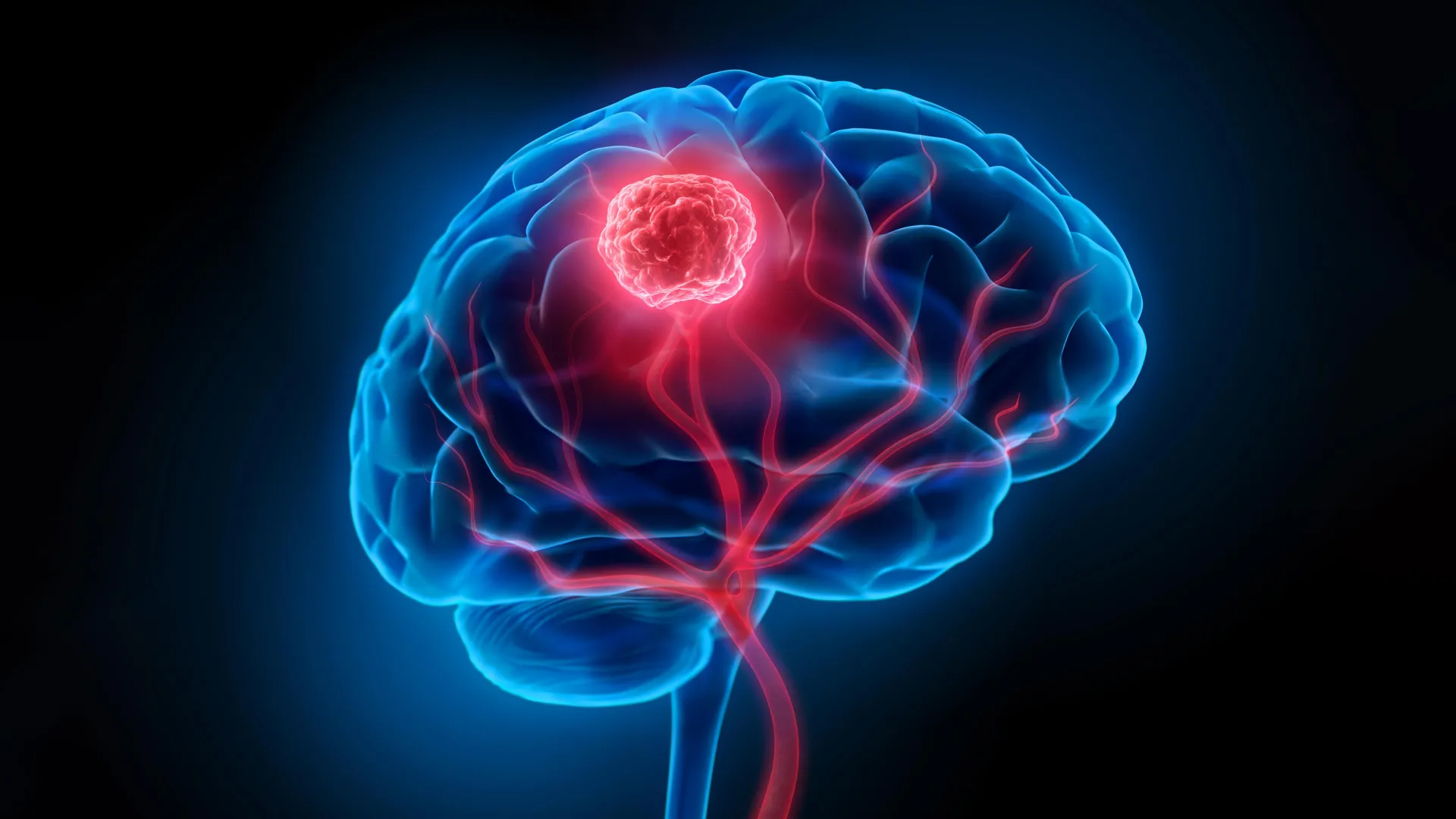
A groundbreaking study by a collaborative team of Canadian researchers has illuminated a novel therapeutic avenue for glioblastoma, the most aggressive and currently incurable form of brain cancer. The findings, published in the prestigious journal Neuron, not only reveal a previously unappreciated mechanism by which this devastating disease proliferates but also pinpoint an existing drug with the potential to disrupt this process, offering a beacon of hope for patients with limited treatment options. The research, spearheaded by scientists at McMaster University and The Hospital for Sick Children (SickKids), meticulously decodes the intricate cellular ecosystem that fuels glioblastoma, identifying a critical communication pathway that, when blocked, significantly impedes tumor growth in laboratory models.
The study challenges long-held assumptions about the roles of certain brain cells, previously considered mere supporting elements for normal neurological function. Instead, these cells, specifically oligodendrocytes, have been found to actively participate in and facilitate the growth and spread of glioblastoma. These specialized cells, which are responsible for producing the myelin sheath that insulates nerve fibers, can undergo a detrimental transformation, becoming enablers of cancerous proliferation. The research demonstrates that oligodendrocytes send specific signals that bolster the resilience and migratory capacity of glioblastoma cells. By strategically interrupting this communication network in preclinical models, the researchers observed a dramatic deceleration in tumor progression, underscoring the critical importance of this cellular crosstalk in the disease’s pathogenesis.
This pivotal discovery has direct implications for treatment strategies. The researchers identified that a receptor, known as CCR5, plays a crucial role in this tumor-supporting signaling. Significantly, this receptor is already a well-established target of Maraviroc, an antiretroviral drug widely used in the treatment of HIV. The potential repurposing of an already approved and extensively studied medication like Maraviroc could dramatically accelerate the timeline for bringing a new therapeutic option to glioblastoma patients, a population that currently faces a grim prognosis with survival often measured in mere months.
Unraveling the Glioblastoma Ecosystem: A Cellular Dialogue
Glioblastoma is notoriously challenging to treat due to its diffuse infiltration into brain tissue, its rapid growth, and its inherent resistance to conventional therapies such as surgery, radiation, and chemotherapy. The disease’s complexity stems from its ability to recruit and manipulate the surrounding brain microenvironment to its advantage, creating what researchers now refer to as a "tumor ecosystem." This ecosystem is not merely a passive collection of cells but a dynamic interplay of malignant cells and non-malignant cells that cooperate to foster tumor survival, growth, and invasion.
For years, scientists have understood that glioblastoma thrives by exploiting intricate cellular networks. Interrupting these connections has been a central focus of research aimed at slowing disease progression. However, precisely identifying the specific non-cancerous cells involved and the exact nature of their communication with tumor cells has remained a significant hurdle. This new study, by Kui Zhai, a research associate in the Singh Lab at McMaster University, and Nick Mikolajewicz, formerly a postdoctoral fellow in the Moffat Lab at SickKids, provides crucial insights into this complex dialogue.
The research meticulously details how oligodendrocytes, cells vital for insulating neuronal axons, can be co-opted by glioblastoma. These altered oligodendrocytes begin to support tumor growth, creating an environment conducive to cancer cell survival and proliferation. The mechanism involves a sophisticated signaling system that directly enhances the capabilities of glioblastoma cells. When the researchers experimentally blocked this specific communication pathway in laboratory models, the observed reduction in tumor growth was substantial, providing compelling evidence of the oligodendrocytes’ supportive role and the therapeutic potential of disrupting this interaction.
The CCR5 Receptor: A Shared Target for HIV and Glioblastoma
The identification of CCR5 as a key player in the signaling between oligodendrocytes and glioblastoma cells is a critical breakthrough. CCR5 is a chemokine receptor that plays a role in immune cell trafficking and inflammation. In the context of HIV infection, CCR5 is utilized by the virus to enter host cells. Maraviroc, a CCR5 antagonist, works by blocking this receptor, thereby preventing HIV from infecting cells.
The profound implication of this finding is that a drug already in clinical use for another devastating disease could potentially be repurposed to combat glioblastoma. This offers a significantly faster route to clinical application compared to developing an entirely new drug from scratch, a process that can take many years and billions of dollars. The existing safety profile and pharmacokinetic data for Maraviroc, coupled with its established manufacturing processes, make it an attractive candidate for rapid investigation in glioblastoma treatment.
“The cellular ecosystem within glioblastoma is far more dynamic than previously understood,” stated Sheila Singh, co-senior author of the study, professor of surgery at McMaster University, and director of the Centre for Discovery in Cancer Research at McMaster. “In uncovering an important piece of the cancer’s biology, we also identified a potential therapeutic target that could be addressed with an existing drug. This finding opens a promising path to explore whether blocking this pathway can speed progress toward new treatment options for patients.” Singh further elaborated, “Glioblastoma isn’t just a mass of cancer cells; it’s an ecosystem. By decoding how these cells talk to each other, we’ve found a vulnerability that could be targeted with a drug that’s already on the market.”
Jason Moffat, co-senior author of the study, senior scientist, and head of the Genetics & Genome Biology program at SickKids, echoed this sentiment. “The cellular ecosystem within glioblastoma is far more dynamic than previously understood. In uncovering an important piece of the cancer’s biology, we also identified a potential therapeutic target that could be addressed with an existing drug. This finding opens a promising path to explore whether blocking this pathway can speed progress toward new treatment options for patients.”
Building on a Foundation of Discovery: A Timeline of Insights
This latest research builds upon a significant body of work by the Singh and Moffat laboratories, including a preceding study published in Nature Medicine in 2024. That earlier investigation revealed how glioblastoma cells exploit developmental pathways, typically used during brain development, to facilitate their own spread throughout the brain. Together, these cumulative findings paint a coherent picture of glioblastoma as a disease that hijacks fundamental biological processes and manipulates its cellular environment for survival and propagation. This dual focus on disrupting the tumor’s internal communication and its ability to mimic developmental processes represents a paradigm shift in glioblastoma research, moving beyond solely targeting cancer cells to addressing the broader tumor ecosystem.
The genesis of this collaborative effort can be traced back to the shared scientific curiosity and complementary expertise of the researchers at McMaster University and SickKids. The initial funding for this specific line of inquiry was bolstered by the 2020 William Donald Nash Brain Tumour Research Fellowship, which provided crucial support for early-stage investigations into brain tumor biology. Further significant backing was provided by the Canadian Institutes of Health Research, a testament to the national importance and potential impact of this research. Sheila Singh holds a distinguished Tier 1 Canada Research Chair in Human Cancer Stem Cell Biology, a recognition of her pioneering work in the field, while Jason Moffat holds the GlaxoSmithKline Chair in Genetics & Genome Biology at The Hospital for Sick Children, highlighting his leadership in genetic and genomic research.
Supporting Data and Methodological Rigor
The study employed a multi-faceted approach, combining advanced genetic and genomic techniques with sophisticated cellular and molecular biology assays. Researchers utilized cutting-edge CRISPR-based screening technologies to systematically identify genes and signaling pathways that are essential for glioblastoma cell survival and proliferation in the presence of other brain cells. This high-throughput screening allowed them to pinpoint the critical role of oligodendrocytes and the specific communication mechanisms they employ.
In vitro experiments involved co-culturing glioblastoma cells with primary human oligodendrocytes and observing the changes in cancer cell behavior. These experiments demonstrated an increased proliferation rate, enhanced migratory capacity, and improved resistance to chemotherapy in glioblastoma cells when in direct communication with oligodendrocytes. Conversely, when the CCR5 signaling pathway was blocked using specific inhibitors or genetic manipulation, these pro-tumorigenic effects were significantly attenuated.
Crucially, the findings were validated in preclinical animal models. Genetically engineered mice bearing human glioblastoma xenografts were treated with Maraviroc. These studies provided in vivo evidence of the drug’s efficacy, showing a marked reduction in tumor volume and improved survival rates compared to control groups. The observed effects in animal models provide a strong rationale for translating these findings into human clinical trials. While specific quantitative data on survival improvements or tumor volume reductions in the published study would typically be detailed in the scientific publication, the qualitative description of "significantly dropped" and "slowed considerably" indicates a robust and statistically significant effect.
Broader Implications and Future Directions
The identification of oligodendrocytes as active collaborators in glioblastoma progression opens up new avenues for understanding the disease’s heterogeneity and its resistance mechanisms. It suggests that therapeutic strategies targeting not only the cancer cells themselves but also their supportive cellular milieu could be more effective. The repurposing of Maraviroc, if proven effective in clinical trials, could represent a much-needed advancement for glioblastoma patients, who currently have limited treatment options with a median overall survival of approximately 15 months after diagnosis.
The implications of this research extend beyond glioblastoma. The understanding of how non-neuronal cells can be co-opted by tumors may have relevance for other brain-related cancers or even metastatic disease in the brain from other primary sites. The concept of targeting the tumor ecosystem rather than just the cancer cells is a rapidly evolving area of oncology research.
The next critical step involves initiating clinical trials to evaluate the safety and efficacy of Maraviroc in human glioblastoma patients. These trials will likely focus on specific patient populations and may involve combination therapies to maximize therapeutic benefit. Researchers will also continue to investigate the precise molecular mechanisms by which oligodendrocytes support glioblastoma, potentially identifying further therapeutic targets.
The collaborative spirit between McMaster University and SickKids, supported by national funding agencies, exemplifies the strength of Canadian biomedical research. This study serves as a powerful reminder that breakthroughs in understanding and treating complex diseases can emerge from interdisciplinary collaboration and a willingness to challenge established scientific paradigms. The potential for an existing drug to offer new hope in the fight against one of the deadliest cancers underscores the importance of continued investment in fundamental research and the exploration of novel therapeutic strategies. The scientific community will be keenly watching as this promising line of research progresses towards clinical application, with the ultimate goal of improving outcomes for individuals diagnosed with glioblastoma.