Ferry Irwandi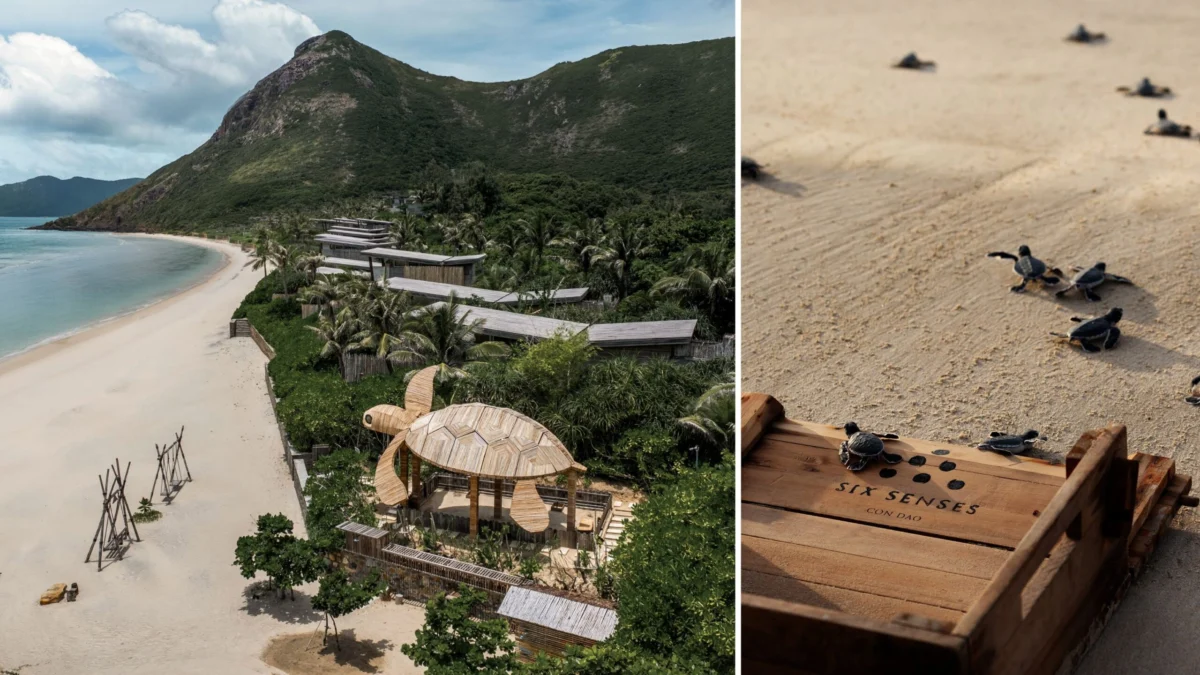
The global hospitality industry is currently undergoing a transformative shift as a new generation of eco-luxury hotels integrates high-end tourism with rigorous marine biology initiatives, specifically targeting the protection of sea turtle populations. As Earth Day 2026 approaches, the intersection of luxury travel and environmental stewardship has moved beyond mere corporate social responsibility into a sophisticated model of regenerative tourism. These properties, located across prime coastal habitats from the Caribbean to the Indo-Pacific, are implementing advanced conservation frameworks that include guarded nesting zones, high-tech incubation centers, and strict "lights out" policies to mitigate the devastating effects of light pollution on hatchlings. By inviting guests to participate in scientific data collection and guided releases, these resorts are bridging the gap between luxury leisure and urgent environmental advocacy.
The Biological Imperative: Mitigating Human Impact on Coastal Ecosystems
Sea turtles have inhabited the Earth’s oceans for over 100 million years, yet today, nearly all seven species are classified as endangered or vulnerable. The primary threats—habitat loss, climate change, and plastic pollution—are frequently exacerbated by coastal development. However, the 2026 travel landscape reveals a counter-trend where luxury developers are prioritizing the biological needs of these ancient reptiles.
One of the most significant interventions is the implementation of "lights out" initiatives. Sea turtle hatchlings are naturally programmed to find the ocean by following the brightest light source, which, in a pristine environment, is the moon reflecting off the water. Artificial white light from hotels and streetlamps disorients the young turtles, leading them away from the sea and toward predators, exhaustion, or dehydration. By replacing standard lighting with amber-hued, low-wavelength LEDs and enforcing strict blackout periods during nesting seasons, eco-luxury resorts have seen a documented increase in successful ocean entries.
A Chronology of Conservation in the Hospitality Sector
The evolution of turtle-centric tourism has followed a distinct timeline over the last five decades, moving from accidental encounters to structured scientific programs:
- The 1970s – Early Awareness: Initial legislation, such as the U.S. Endangered Species Act of 1973, began providing legal protections for sea turtles, forcing coastal developers to acknowledge nesting grounds.
- The 1990s – The Birth of Ecotourism: The term "ecotourism" gained mainstream traction. Hotels began offering turtle-watching tours, though these were often unregulated and sometimes disruptive to the animals.
- The 2010s – Plastic Bans and CSR: Luxury brands began implementing Corporate Social Responsibility (CSR) programs, focusing on the elimination of single-use plastics and supporting local hatcheries.
- 2020–2024 – Integrated Marine Biology: Resorts started hiring on-site marine biologists and building dedicated conservation centers, recognizing that guests were willing to pay a premium for "purpose-driven" travel.
- 2026 – The Regenerative Era: Current industry standards now demand that luxury properties act as active stewards of the land. This includes habitat restoration, real-time satellite tracking of turtles, and the integration of guests into the scientific process.
Supporting Data: The Impact of Managed Nesting Sites
Data from the 2025 nesting season indicates that managed conservation sites significantly outperform unmonitored beaches in terms of hatchling survival rates. According to marine conservation reports, only about 1 in 1,000 sea turtle hatchlings survives to adulthood under natural conditions. However, in controlled environments provided by eco-luxury properties, the immediate survival rate of hatchlings reaching the surf can increase by up to 30%.
Furthermore, the economic impact of this model is substantial. A 2025 study on sustainable travel trends found that 74% of high-net-worth travelers are more likely to book a stay at a property that demonstrates tangible environmental results. This "conservation premium" provides the necessary funding for hotels to maintain expensive incubation facilities and employ specialized staff, creating a self-sustaining financial model for environmental protection.
Institutional and Scientific Reactions
The scientific community has expressed cautious optimism regarding the rise of resort-based conservation. Dr. Aris Thorne, a leading marine biologist specializing in chelonian migration, notes that the private sector’s involvement is crucial given the limited resources of government-funded programs.
"While we must ensure that guest interactions remain non-invasive, the infrastructure provided by these luxury resorts—such as temperature-controlled incubation rooms—is world-class," Dr. Thorne stated in a recent symposium. "By monitoring nest temperatures, these resorts are also helping us address the ‘feminization’ of sea turtle populations caused by rising sand temperatures. They can strategically shade nests to ensure a healthy balance of male and female hatchlings, which is vital for the long-term survival of the species."
Hotel industry executives are also pivoting their marketing strategies to align with these biological successes. "The modern traveler is no longer satisfied with just a beautiful view," says Marcus Vane, CEO of a leading global luxury resort group. "They want to know that their presence on a beach is contributing to the health of that beach. Our turtle tracking programs allow guests to follow a specific turtle’s journey long after they have returned home, fostering a lifelong commitment to ocean conservation."
Guest Participation: From Spectacle to Stewardship
The defining characteristic of the 2026 eco-luxury experience is the shift from passive observation to active participation. Resorts are moving away from "turtle tourism" as a spectacle and toward an educational framework.
Guided Hatchling Releases: Under the strict supervision of trained biologists, guests are permitted to observe hatchlings as they make their way to the sea. This is conducted with minimal interference, using red-light torches that do not disorient the turtles.
Hands-on Beach Cleanups: These are no longer viewed as chores but as "citizen science" expeditions where guests help categorize and remove microplastics that could be ingested by marine life.
Educational Nature Walks: Expert-led tours educate guests on the local flora and fauna, explaining the delicate balance of the coastal ecosystem and the role turtles play in maintaining seagrass beds and coral reefs.
Satellite Tracking: Many properties now offer "adopt-a-turtle" programs where guests can fund the attachment of a GPS tracker to a nesting female. The data collected helps scientists map migration routes and identify high-risk areas in the open ocean.
Broader Implications and Future Outlook
The success of sea turtle conservation in the luxury hotel sector has broader implications for the future of global tourism. It serves as a blueprint for how the private sector can mitigate its environmental footprint while enhancing the guest experience. This model is already being adapted for other species, such as whale sharks in the Maldives and elephants in sub-Saharan Africa.
However, the rise of these initiatives also brings a need for standardized certification. As "eco-luxury" becomes a lucrative label, environmental NGOs are calling for stricter audits to ensure that "lights out" policies and nesting protections are being followed correctly and are not just "greenwashing." The 2026 Earth Day benchmarks suggest that transparency will be the next frontier, with resorts expected to publish annual biodiversity impact reports alongside their financial statements.
Ultimately, the trend toward turtle conservation in high-end travel reflects a maturing global consciousness. By turning luxury resorts into sanctuaries, the hospitality industry is proving that development does not have to come at the expense of the natural world. For the traveler, the reward is a unique connection to the wild; for the sea turtle, it is a significantly better chance at survival in an increasingly crowded world. As these initiatives scale, the hope is that the sight of a hatchling reaching the surf becomes not just a rare holiday highlight, but a guaranteed legacy for generations to come.