Danny Garick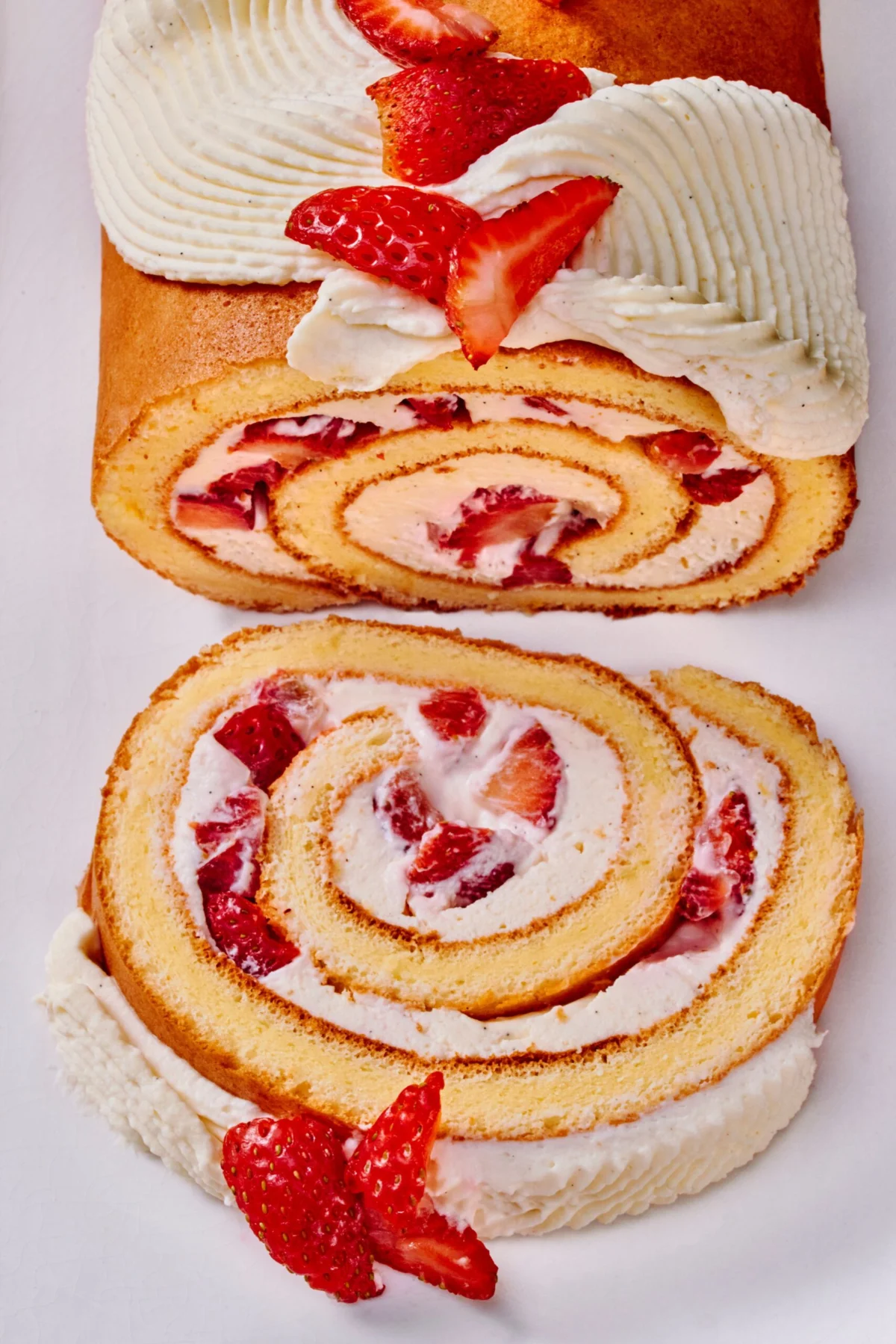
The culinary world has long distinguished between the various methods of cake construction, yet the nuances of these techniques often remain misunderstood by the casual observer. In a recent educational series led by senior Test Kitchen editors Jesse Szewczyk and Shilpa Uskokovic, the Bon Appétit Bake Club highlighted a fundamental divide in the pastry arts: the distinction between creamed and foamed cakes. By examining the chemical properties of a Chocolate Guinness Cake alongside the structural integrity of a Strawberry Shortcake Roll, culinary experts are shedding light on the "cake lineage" that defines nearly every sponge and loaf found in modern bakeries. This exploration underscores a broader movement within the baking community to reclaim traditional European-style sponges, such as the chiffon, and adapt them for contemporary American palates that have historically favored denser, fat-heavy desserts.
The Taxonomy of Modern Cake Construction
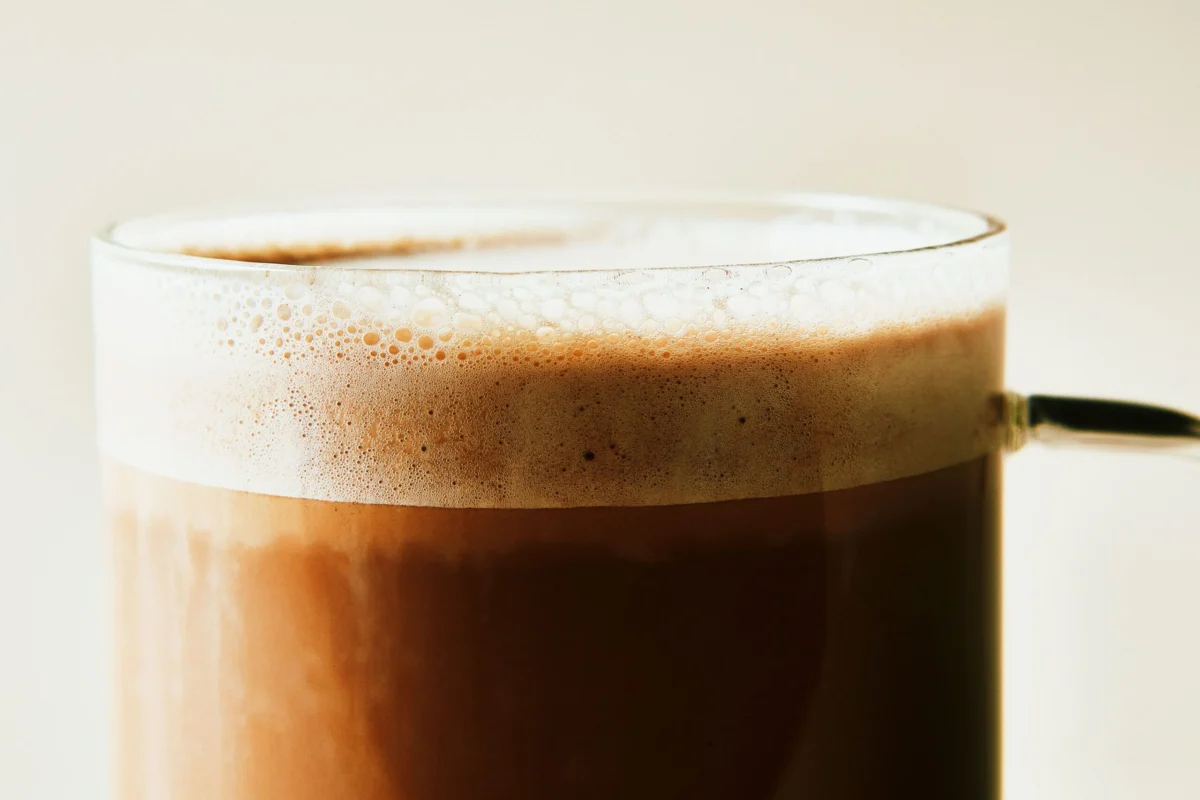
At the core of pastry theory lies the understanding that all cakes descend from one of two primary methodologies. The first, the creaming method, is perhaps the most ubiquitous in American home baking. This process begins with the mechanical aeration of fat—typically butter or oil—combined with sugar. Through vigorous beating, the sugar crystals cut through the fat, creating microscopic air pockets that expand when exposed to the heat of an oven. The result is a cake characterized by a "hefty" profile and a moist, tender crumb. Classic examples of this lineage include pound cakes, banana breads, and the aforementioned Chocolate Guinness Cake. These recipes rely heavily on the emulsion of fats and liquids to provide a rich mouthfeel, often requiring minimal external moisture or frosting to remain palatable.
Conversely, the foaming method represents the second major branch of the cake family tree. Rather than starting with fat, foamed cakes begin with eggs. Bakers whip either whole eggs or separated whites and yolks with sugar until the mixture becomes aerated and voluminous. In these recipes, the protein structure of the eggs serves as the primary source of height and stability. Because foamed cakes contain little to no chemical leaveners like baking powder or soda, their texture is inherently light, delicate, and springy. This category encompasses a wide variety of international staples, including the French genoise, the nut-based dacquoise, the fat-free angel food cake, and the flexible joconde.
The Historical Chronology of the Chiffon Hybrid
The development of cake techniques is not merely a matter of culinary preference but a reflection of industrial and social history. For centuries, cakes were either dense, yeast-leavened breads or labor-intensive sponges that required hours of hand-beating eggs. The 19th century introduced chemical leaveners, which popularized the creaming method and led to the rise of the classic American layer cake. However, it was not until the early 20th century that a true hybrid of these two methods emerged, revolutionizing the industry.
The history of the chiffon cake is a definitive case study in culinary innovation and commercialization. The recipe was invented in 1927 by Harry Baker, an insurance salesman living in Hollywood. Baker’s innovation was the replacement of traditional solid fats with vegetable oil, combined with the structural techniques of a foamed sponge. For two decades, Baker kept the formula a closely guarded secret, catering exclusively to the Hollywood elite and the famous Brown Derby restaurant. The "mystery cake" was prized for being lighter than a butter cake but moister than a traditional sponge.
The timeline of the chiffon cake shifted significantly in 1947 when Baker sold the recipe to General Mills. The corporation marketed the recipe through Betty Crocker as "the first new cake in 100 years." This move transitioned the chiffon from an artisanal secret to a household staple, demonstrating the power of corporate food science in shaping domestic baking trends. The chiffon remains a "golden child" of the cake world because it utilizes the whipped egg white structure of a foam cake while maintaining a fat percentage—derived from egg yolks and oil—that rivals that of a standard creamed cake.

Technical Analysis of Structural Pliability
The physical properties of the chiffon cake make it uniquely suited for specific architectural applications, most notably the roll cake or "Swiss roll." In the context of the Strawberry Shortcake Roll featured by the Bon Appétit Test Kitchen, the science of the chiffon hybrid is essential for success. Traditional sponge cakes, while light, can be brittle once cooled. Most recipes for roll cakes instruct the baker to pre-shape the cake while hot using a kitchen towel to "train" the crumb, preventing it from cracking during the final assembly.
However, the high ratio of oil and egg yolks in a chiffon-style batter provides a level of moisture and fat that keeps the cake pliable even at room temperature. The egg proteins provide a "memory" and strength that allow the cake to flex under pressure without fracturing. According to culinary data, the use of liquid oil instead of solid butter is the key variable; oil remains liquid at room temperature, whereas butter solidifies, creating a more rigid internal structure. This allows the chiffon to be rolled into a perfect coil after it has fully cooled, simplifying the process for home bakers and ensuring a more consistent aesthetic result.
Industry Perspectives and the Resurgence of the Sponge
While sponge-style cakes have remained central to Asian and European pastry traditions, they have often been marginalized in the United States, frequently dismissed as "dry" or "underwhelming" by consumers accustomed to the heavy, fudgy textures of devil’s food or butter-based cakes. However, industry experts are noting a shift in consumer interest toward cakes that offer a lighter, more sophisticated eating experience.
The versatility of the sponge cake lies in its porous interior. Unlike dense creamed cakes, which can become soggy when paired with wet ingredients, a well-constructed sponge acts as a structural vessel. It is capable of absorbing vast quantities of flavored syrups, macerated fruit juices, and light mousses without collapsing. This "architectural" quality allows pastry chefs to create multi-layered desserts that feel luxurious and complex rather than overwhelming. The recent focus on the Strawberry Shortcake Roll by prominent test kitchens suggests a renewed appreciation for the "clean" flavor profile of sponges, which allow the quality of seasonal produce—such as fresh strawberries and whipped cream—to remain the focal point.
Broader Implications for the Baking Community
The educational initiatives surrounding these cake methods represent a broader trend toward "curious baking," where the goal is not just to follow a recipe but to understand the underlying chemistry. By categorizing recipes into lineages and methods, culinary educators are empowering home bakers to troubleshoot and innovate.
The shift toward digital communities, such as the Substack-based "Bake Club" mentioned in the original report, indicates that the future of baking education is collaborative and interactive. These platforms allow for a real-time exchange of data, where bakers can report on how environmental factors like humidity or oven calibration affect the delicate balance of a foamed cake. As the community moves away from the "black box" of secret recipes—much like Harry Baker’s original chiffon—toward a transparent, science-based approach, the standard of home-produced pastry is likely to rise.
The long-term impact of this focus on technique over mere ingredients is a more informed consumer base that values the structural integrity and historical context of their food. Whether it is the robust, comforting crumb of a creamed Guinness cake or the elegant, airy spiral of a strawberry chiffon roll, the modern baker is increasingly looking for the "why" behind the "how." This deeper understanding ensures that the legacy of both the insurance salesman’s Hollywood invention and the centuries-old techniques of European pastry continue to evolve in the contemporary kitchen.