Reynand Wu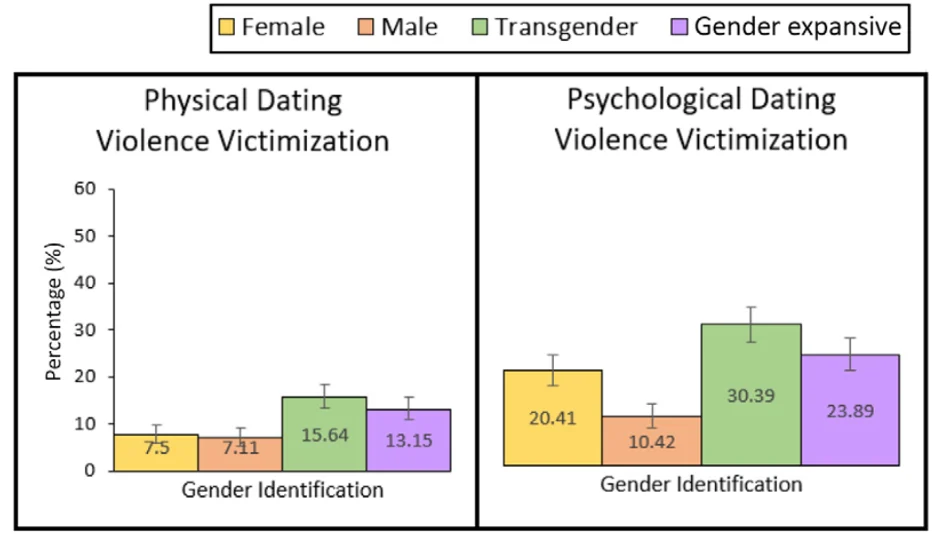
In recent years, the landscape of romantic and sexual relationships has undergone significant transformations, prompting sociologists to meticulously examine phenomena like hookup culture and the burgeoning realm of modern dating, largely facilitated by digital platforms. However, a critical gap persists in this discourse: the experiences of transgender individuals are frequently overlooked, and analyses often focus too narrowly on college campuses, despite dating apps having permeated various age demographics. This oversight is not merely an academic omission; it represents a failure to acknowledge the profound and often perilous realities faced by trans people in their pursuit of connection and intimacy.
A Landscape of Heightened Vulnerability: Violence and Harassment
The exclusion of trans experiences from mainstream dating narratives is particularly concerning given the documented vulnerabilities within this community. Research unequivocally highlights a disproportionate exposure to violence and discrimination that permeates even the most personal aspects of their lives, including dating. This pervasive threat significantly shapes how trans individuals approach relationships, interact on dating platforms, and navigate their personal safety.
Quantifying the Risk: A Look at the Data
Startling statistics underscore the severity of the situation. A pivotal 2021 study revealed that transgender youth are twice as likely as cisgender women to have experienced physical dating violence. The same study found them to be fifty percent more likely to have endured psychological dating violence. These figures are not abstract; they represent real individuals grappling with fear, trauma, and the constant need for vigilance in spaces that should ideally offer safety and connection. This heightened risk is compounded by broader societal prejudices and the systemic marginalization that trans individuals face, which often translates into interpersonal violence within intimate settings. The societal climate, marked by rising anti-trans sentiment and legislation, only exacerbates these vulnerabilities, making the search for safe and affirming relationships an increasingly complex endeavor.
Beyond the immediate threat of violence, trans individuals frequently encounter a dehumanizing pattern of fetishization and prejudice. A 2023 study shed light on common experiences reported by trans people in dating contexts, most notably being fetishized and constantly having to contend with preconceived notions and stereotypes. Participants in the study articulated a profound sense of being seen not as an individual, but as an objectified idea. One trans woman recounted, "Because I’m a trans woman, people instantly assume that I must be this massive bottom." Similarly, a trans man shared his frustration, stating, "I just felt like they weren’t talking to me. They were talking to an idea they had about me." This experience of being reduced to a stereotype or a sexual fantasy is deeply alienating, undermining genuine connection and fostering an environment of mistrust and emotional distress. It forces trans individuals to constantly manage others’ perceptions, diverting energy from building authentic relationships towards self-protection and emotional labor.
Navigating Online Spaces: The Disclosure Dilemma
The proliferation of dating apps has introduced new complexities and challenges for trans individuals, particularly concerning the disclosure of their trans identity to prospective partners. For many, this is not merely a matter of personal preference but a crucial safety calculation. Research has explored the strategic decisions trans people make regarding disclosure on dating apps, revealing a calculated approach often driven by profound concerns about personal safety.
Strategic Self-Protection in Digital Encounters
Most participants in studies focusing on dating app disclosure proactively and explicitly share their trans identity. This upfront honesty, while potentially leading to rejection, is often viewed as a necessary measure to vet potential partners and mitigate the risk of encountering hostility or violence later. The fear is palpable and deeply rooted in real-world dangers. One genderfluid participant, living in a rural area, articulated this stark reality when meeting someone face-to-face from a dating app: they consistently harbored the thought, "that person could be the person that kills me." This statement is a chilling reminder of the life-threatening risks associated with dating for trans individuals, particularly in environments where visibility can correlate with vulnerability.
However, not all trans individuals opt for explicit, proactive disclosure. Some engage in "softer" disclosure methods, strategically showcasing different facets of their identity on apps that permit multiple profile pictures or more nuanced self-descriptions. This approach might involve subtly hinting at their identity through imagery, chosen language, or linking to social media profiles that offer more insight. While this method can help manage initial interactions and potentially avoid immediate prejudice, it also carries its own set of risks, as later disclosure might be met with anger or a sense of deception from partners who feel misled. The choice between these disclosure strategies highlights the constant negotiation of safety, authenticity, and the desire for connection within a often-hostile dating landscape.
Intersecting Identities, Amplified Risks: Focus on BIPOC Transgender Women
The vulnerabilities within the trans community are not uniform; they are significantly shaped by intersecting identities, leading to amplified risks for certain groups. This intersectional lens is crucial for understanding the full scope of challenges faced by trans individuals in dating.
The Secrecy and its Deadly Toll
A 2021 study specifically found that BIPOC (Black, Indigenous, and People of Color), queer, and transfeminine individuals are the most likely to have experienced dating violence. This finding underscores how systemic racism, homophobia, and misogyny intersect with transphobia to create layers of marginalization and heightened danger. For BIPOC trans women, these intersecting oppressions manifest in particularly acute forms of violence and discrimination within dating relationships.
A subsequent 2022 study delved deeper into the dating experiences of BIPOC trans women, uncovering a disturbing pattern: their cisgender male partners would frequently conceal their relationship from the public. This secrecy is a direct consequence of societal stigma, where cis men fear social repercussions or exposure if their relationship with a trans woman becomes known. The consequences of this forced concealment are devastating, ranging from physical violence to severe psychological trauma. As one woman tragically recounted, "We getting killed just because of the guys here were scared that they secret would come out." This statement lays bare the lethal reality for many BIPOC trans women, whose lives are endangered by partners who prioritize their own social standing over the safety and well-being of their partners. The act of concealment often places trans women in isolated and vulnerable positions, making them easier targets for abuse without external accountability.
Survival Strategies in a Hostile World
In response to these pervasive threats, BIPOC trans women often develop complex "survival strategies." These strategies are not merely coping mechanisms but active, often exhausting, measures taken to navigate a hostile world. They include hypervigilance, an almost constant state of heightened awareness to potential threats; dressing in specific ways to avoid being "found out" or targeted; and actively avoiding certain men or situations perceived as dangerous. These strategies, while essential for survival, exact a heavy toll on mental health, fostering chronic anxiety, stress, and a profound sense of isolation. The need to constantly perform these protective measures inhibits the ability to fully engage in relationships, trust partners, or simply experience the joy and spontaneity that dating should offer. The cumulative effect of such experiences can lead to long-term psychological distress, including PTSD, depression, and difficulty forming secure attachments.
Charting a Path Forward: Calls for Systemic Change
The extensive body of research on trans dating experiences not only exposes the depth of the problems but also offers actionable remedies, advocating for systemic changes across educational, technological, and legal domains. These proposed solutions aim to foster a safer, more inclusive environment for trans individuals seeking romantic and sexual partners.
The Imperative of Inclusive Education
A primary recommendation from researchers is the implementation of comprehensive trans-inclusive education. This extends beyond traditional sex education to encompass broader curricula in schools, public awareness campaigns, and specialized violence prevention training. Such educational initiatives are designed to increase understanding, dismantle stereotypes, and cultivate empathy among both trans people and their cisgender peers and partners. When education is inclusive, it can empower trans individuals with knowledge about healthy relationships and consent, while simultaneously making cisgender individuals more comfortable and informed allies. For example, violence prevention training specifically tailored to trans experiences has been shown to improve safety outcomes by addressing the unique dynamics of transphobic violence and promoting respectful interactions. By normalizing trans identities and experiences, education can gradually erode the ignorance and prejudice that fuel much of the discrimination and violence.
Dating App Design for Safety and Respect
Dating apps, as central platforms for modern romance, bear a significant responsibility in creating safer environments for their trans users. One pressing need identified by users is for better filtering options. As one participant in a study articulated, "The majority of the interactions I have with cis men on dating apps are just shit, full stop . . . can I have less of them pop up?" This highlights a demand for more granular control over who appears in one’s feed, allowing trans users to filter out individuals who may not be respectful or safe.
App developers can implement features that allow users to specify their gender identity more accurately and also set preferences for the gender identities of those they wish to connect with. This includes clear options for non-binary and gender non-conforming identities. Furthermore, robust reporting mechanisms for transphobic harassment, coupled with swift and transparent action against perpetrators, are crucial. Dating apps have the capacity to be powerful tools for connection, but they must evolve to prioritize the safety and well-being of their most vulnerable users, moving beyond superficial inclusivity to genuine protective measures.
Eradicating Legal Loopholes: Banning the "Trans Panic Defense"
Finally, a critical legal reform recommended by some study authors is the prohibition of "trans panic defenses." This controversial legal strategy allows perpetrators of violent crimes to argue that a victim’s transgender identity provoked a sudden, uncontrollable "panic" or rage, thereby mitigating their culpability. Rooted in transphobic and homophobic prejudice, this defense essentially blames the victim for the violence they experienced.
The continued legality of trans panic defenses in many jurisdictions sends a dangerous message that violence against trans people can be excused, contributing to a climate of impunity. Banning these defenses, as some states and countries have already done, is a vital step towards ensuring justice for trans victims and holding perpetrators accountable. It signals a societal commitment to protecting trans lives and affirms their inherent dignity and right to safety, moving the legal system closer to truly equitable application for all citizens. This legal shift is not just about courtroom justice; it’s about altering cultural norms and reinforcing the message that trans lives are valuable and deserving of protection.
Beyond Dating: Broader Societal Implications and the Future
The experiences of trans people in dating are a microcosm of their broader societal realities. As trans individuals achieve unprecedented levels of visibility in media and public discourse, they concurrently face an alarming surge in anti-trans legislation and discrimination across various sectors. This paradox of visibility—increased recognition alongside increased vulnerability—creates a precarious existence where the pursuit of basic human connection becomes fraught with danger and anxiety.
The challenges in dating are not isolated; they contribute to significant mental health burdens, including chronic anxiety, depression, and post-traumatic stress, as individuals navigate constant threats and the emotional labor of self-protection. The difficulty in forming trusting, authentic relationships can lead to profound loneliness and impact overall well-being.
Social science research unequivocally demonstrates that creating a safer, less anxious future for trans people in their quest for romantic and sexual partners requires a multi-faceted approach. It demands not only individual empathy and respect but also systemic changes in education, technology, and law. Addressing these issues is not merely an act of kindness but a fundamental commitment to human rights and dignity, ensuring that all individuals, regardless of gender identity, can seek love and companionship without fear for their lives or their sense of self. The ongoing effort to understand and rectify these disparities is a testament to the resilience of the trans community and a call to action for broader society to foster truly inclusive and equitable spaces for all.
Leah Long is a history and sociology student at Macalester College who researches and writes about trans history and politics.