Layla Zulfa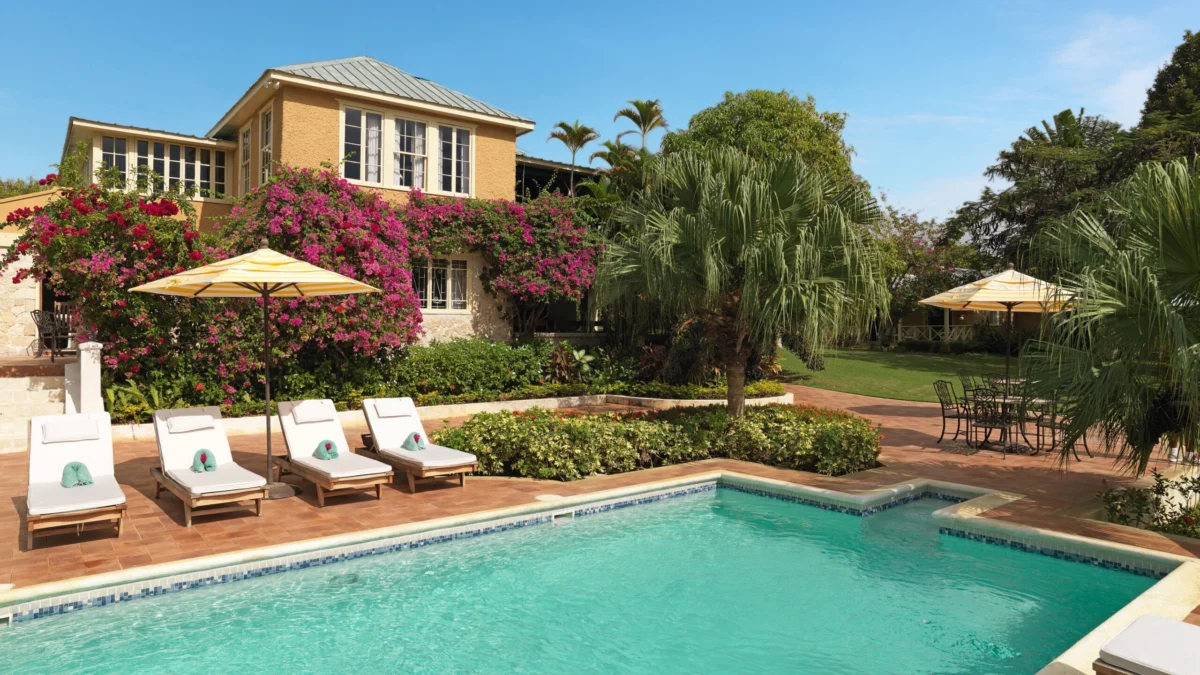
The global travel landscape is undergoing a fundamental transformation as the distinction between professional life and leisure continues to blur. For a growing demographic of high-net-worth digital nomads and remote executives, the traditional hotel suite is increasingly being replaced by luxury long-term rentals that offer both the comforts of a private residence and the high-end amenities of a five-star resort. This shift toward "slow travel" has prompted platforms like Airbnb to pivot their business models, with long-term stays—defined as bookings of 28 days or more—now accounting for approximately 18% to 20% of total nights booked on the platform as of 2024.
The demand for these high-end, extended-stay properties is driven by a desire for architectural significance, cultural immersion, and "work-from-anywhere" infrastructure. From 400-year-old Tudor cottages in the English countryside to brutalist masterpieces in Mexico City, the inventory of long-term rentals is no longer just about lodging; it is about curated lifestyle experiences that cater to a global workforce no longer tethered to a physical office.
The Chronological Rise of the Extended Stay Market
The trajectory of the long-term rental market can be traced through several distinct phases over the last decade. Pre-2020, the digital nomad lifestyle was largely a niche movement, often associated with budget-conscious travelers in Southeast Asia. However, the onset of the COVID-19 pandemic in early 2020 served as a massive catalyst for remote work adoption. By 2021, corporations globally began formalizing hybrid and remote work policies, leading to a surge in "workcations."
In 2022, Airbnb responded to this trend by introducing "Categories," allowing users to search specifically for homes with designer kitchens, historical significance, or proximity to remote natural wonders. By 2023, the market saw the integration of professional-grade services into private rentals, including on-site butlers, private chefs, and high-speed satellite internet, such as Starlink, which made off-grid luxury viable. Entering 2024, the market has matured into a multi-billion dollar segment where design and exclusivity are the primary drivers of value.
Architectural Significance as a Primary Draw
A key factor distinguishing luxury long-term rentals from standard accommodations is the emphasis on architectural integrity and interior design. Travelers are increasingly seeking homes that tell a story or reflect a specific aesthetic movement.
Midcentury Modernism and Brutalist Design
In Forest G, California, a midcentury-modern marvel designed by Marcel Sedletzky illustrates the intersection of history and luxury. Set on a private hillside, the property—once a retreat for cultural icons like Joan Baez and Bob Dylan—features redwood paneling and floor-to-ceiling windows. Similarly, in the Condesa neighborhood of Mexico City, the "Izta Brutalist Jewel" offers a sophisticated urban experience. Characterized by sculptural furniture and raw textures, this property appeals to the aesthetically conscious traveler who values the city’s burgeoning reputation as a global design hub.
Historical Preservation and Old World Charm
Conversely, European markets are seeing high demand for restored historical properties. In Lechlade-on-Thames, United Kingdom, a 400-year-old riverside Tudor cottage provides a stark contrast to modern glass-and-steel developments. With exposed oak beams and velvet furnishings, the property offers a "once-in-a-lifetime" opportunity to inhabit British history while maintaining modern comforts. In Berlin, luxury apartments are blending Old World architecture with contemporary updates, such as hand-painted de Gournay wallpaper and professional-grade kitchens featuring Swiss green granite and brass-brushed cabinetry.
Regional Highlights: A Global Portfolio of High-End Stays
The geographical diversity of luxury long-term rentals reflects the global nature of the modern workforce. Each region offers a unique value proposition, from secluded mountain retreats to vibrant urban centers.
North America: Urban Sanctuaries and Alpine Escapes
In the United States, Brooklyn remains a top destination for those seeking an urban sanctuary. A four-bedroom brownstone on the border of Clinton Hill and Bedford-Stuyvesant offers original crown molding and marble fireplaces, providing a quiet alternative to the high-density living of Manhattan. For those seeking nature, Telluride, Colorado, hosts architectural masterpieces with views of Wilson’s Peak. These properties often feature "AD-approved" interiors, including artwork by designers like Justina Blakeney, and offer ski-in/ski-out access. In Canada, the Twin Peaks Residence in Morin-Heights provides an upscale alpine experience just an hour from Montreal, featuring earth-toned palettes and on-site wellness facilities like hot tubs and fire pits.
Latin America and the Caribbean: Beachfront Sophistication
Mexico continues to lead the Latin American market with properties like the beachfront homes in Loreto, which offer private pools and full concierge services. In the Caribbean, the Starlight Villa in Fowl Cay, Bahamas, utilizes a unique "pod" design connected by decks, offering panoramic views of Major Harbor. Jamaica and Panama also offer high-end villas with private beaches, butlers, and personal golf carts, catering to large groups or families looking for extended tropical retreats.
Asia, Africa, and the Middle East: Cultural Immersion
The "Riad" experience in Marrakesh, Morocco, remains a pinnacle of luxury, featuring vibrant tilework, heated courtyard pools, and rooftop terraces. In Bali, Indonesia, beachfront retreats in Kecamatan Selemadeg embrace indoor-outdoor living with 11-person staffs and private tennis courts. India’s market is also expanding, with properties like the Alta Palmeira Estate in Goa showcasing Indo-Portuguese architecture and colorful mosaic designs. In South Africa, cliffside villas in Cape Town provide solar-powered luxury overlooking Clifton Bay, integrating local art with sustainable technology.
Supporting Data: The Economics of Remote Work and Travel
Recent data underscores the significant economic impact of the long-term rental market. According to a 2023 report by MBO Partners, there are approximately 35 million digital nomads worldwide, contributing an estimated $787 billion to the global economy annually.
- Average Spend: Luxury long-term renters spend significantly more in local economies than traditional tourists. On average, a long-term traveler spends 35% more on local services, including private dining, wellness, and transportation.
- Booking Lead Times: Long-term stays are typically booked 60 to 90 days in advance, providing hosts with more predictable income streams compared to the volatility of short-term weekend stays.
- Demographics: While the "nomad" was once synonymous with Gen Z, the current luxury market is dominated by Gen X and Millennials, many of whom travel with families and require multi-bedroom properties with childcare-friendly amenities.
Official Responses and Regulatory Shifts
The rise of long-term luxury rentals has prompted various responses from local and national governments. Many countries have recognized the economic benefit of attracting high-earning remote workers and have introduced "Digital Nomad Visas."
- Indonesia: The government recently introduced a five-year "Second Home" visa, specifically targeting remote workers in hubs like Bali.
- Mexico: While Mexico City has faced local pushback regarding gentrification in neighborhoods like Roma and Condesa, the national government has largely maintained a pro-nomad stance to bolster the tourism sector.
- United Kingdom and France: Major cities like London and Paris have implemented stricter regulations on short-term rentals to protect local housing stock, but long-term stays (30+ days) often fall into different regulatory categories that are more favorable to property owners.
Industry analysts suggest that these regulatory environments will continue to evolve as cities balance the need for affordable housing with the economic infusion provided by high-spending temporary residents.
Broader Impact and Implications for the Hospitality Industry
The success of luxury long-term rentals is forcing the traditional hospitality industry to adapt. Major hotel chains, such as Marriott and Accor, have launched their own residential rental platforms (e.g., Homes & Villas by Marriott Bonvoy) to compete directly with Airbnb’s high-end offerings.
The implications for the real estate market are also profound. Properties that were once intended for the sales market are being converted into high-yield rental assets. This "financialization" of luxury residential real estate ensures that homes are treated as productive assets rather than just passive dwellings.
Furthermore, the rise of these rentals is influencing interior design trends. There is a growing emphasis on "work-ready" aesthetics—spaces that look professional on video calls but feel intimate for daily living. Features such as soundproof home offices, ergonomic furniture integrated into high-design environments, and robust smart-home systems are now standard requirements for the top tier of the rental market.
As we look toward the latter half of the decade, the luxury long-term rental market is poised for continued growth. The desire for "once-in-a-lifetime" living experiences, combined with the permanent shift in how the global elite work and travel, has created a new asset class that sits at the intersection of real estate, hospitality, and lifestyle curation. For the modern traveler, the world is no longer a series of destinations to be visited, but a collection of homes to be inhabited.