
 Ronny Sianturi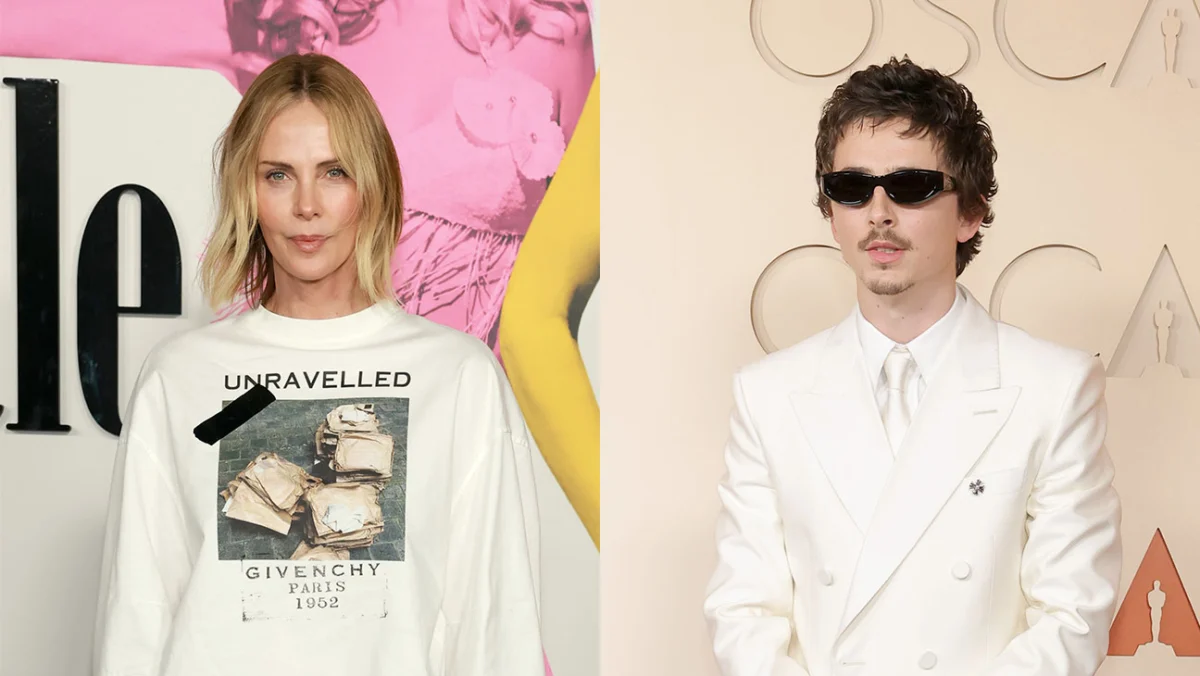
Academy Award-winning actress Charlize Theron has publicly addressed and strongly criticized recent remarks made by fellow actor Timothée Chalamet regarding ballet and opera, labeling his comments as "very reckless" and a disservice to art forms that require immense dedication and skill. Theron, speaking in a wide-ranging interview with The New York Times, drew upon her own extensive background in dance to highlight the profound physical and mental rigors inherent in these disciplines, asserting their continued relevance in an increasingly digitized world.
Theron’s Stern Rebuke and Personal Testimony
The conversation with The New York Times, published on Saturday, shifted to Theron’s personal experiences when the topic of dance arose. Theron, who trained in ballet for many years before embarking on her acclaimed acting career, offered a visceral account of the art form’s demands. "Dance is probably one of the hardest things I ever did. Dancers are superheroes. What they put their bodies through in complete silence," she stated, her words prompting the interviewer to make a lighthearted reference to Chalamet’s earlier controversial statements.
Theron’s response was sharp and direct. "Oh, boy, I hope I run into him one day," she said, her tone conveying a mix of concern and disappointment. "That was a very reckless comment on an art form, two art forms, that we need to lift up constantly because, yes, they do have a hard time. But in 10 years, AI is going to be able to do Timothée’s job, but it will not be able to replace a person on a stage dancing live. And we shouldn’t [expletive] on other art forms."
Her impassioned defense underscored a belief that while technology may advance and transform various industries, the unique human expression found in live performance, particularly in disciplines like ballet and opera, remains irreplaceable. Theron emphasized the inherent value of these art forms not just for their aesthetic appeal but for the profound discipline and resilience they instill in their practitioners.
The Genesis of the Controversy: Chalamet’s Remarks
The exchange between Theron and Chalamet’s comments stems from an incident that occurred in February during a Variety and CNN town hall event hosted by Matthew McConaughey. Chalamet, a prominent figure in contemporary cinema, was asked about the potential for slower-paced films to maintain audience engagement in an era dominated by fast-paced content.
In response to the question, Chalamet ventured to discuss art forms that he perceived as struggling to retain relevance. "I don’t want to be involved in an art form that no one cares about," he stated, citing ballet and opera as examples. He further elaborated with a laugh, "I don’t want to be working in ballet or opera where it’s like, ‘Hey! Keep this thing alive, even though no one cares about this anymore.’ … All respect to the ballet and opera people out there… I just lost 14 cents in viewership. I’m taking shots for no reason."
These remarks, delivered with a casual tone, were interpreted by many within and outside the arts communities as dismissive and lacking in appreciation for the historical significance and artistic merit of ballet and opera. The comments quickly went viral, sparking a wave of criticism and debate across social media platforms and in arts publications.
Timeline of Reactions and Broader Impact
February 2024: Timothée Chalamet makes comments during a Variety/CNN town hall, questioning the relevance of ballet and opera and implying a lack of audience interest.
February 2024 (following Chalamet’s remarks):
- Artistic Communities Respond: Members of the opera and ballet communities, along with numerous artists and cultural commentators, voiced their displeasure. Many highlighted the dedication, training, and cultural contributions of these art forms. Statements from ballet companies and opera houses, while not always directly addressing Chalamet, often reiterated the vital role these arts play in society and the immense effort required to sustain them.
- Celebrity Reactions: While Theron’s comments are the most recent prominent public reaction, other celebrities also expressed their disagreement with Chalamet’s sentiments, often through social media or interviews, emphasizing the importance of supporting diverse artistic expressions.
- Media Coverage: The incident garnered significant media attention, with numerous outlets reporting on Chalamet’s remarks and the ensuing backlash.
March 2024: The controversy extended to the prestigious 96th Academy Awards ceremony. Host Conan O’Brien, in a segment that directly referenced Chalamet’s comments, quipped, "I’m told there are concerns about attacks from both the opera and ballet community," before playfully adding, "They’re just mad you left out jazz." This moment illustrated how deeply Chalamet’s remarks had resonated and become a cultural talking point.
April 2024: Charlize Theron’s interview with The New York Times provides a significant, in-depth response, offering a counterpoint rooted in personal experience and a strong defense of the performing arts.
The Demands of Dance: Theron’s Personal Account
Theron’s articulation of the physical toll of dance training is stark. She described her past experiences with a level of detail that underscores the severity of the commitment: "Dance taught me discipline. It taught structure. It taught hard work. It taught me to be tough. It’s borderline abusive," she admitted. She recounted instances of severe physical hardship, stating, "There were several times that I had blood infections from blisters that just never healed. And you don’t get a day off. I’m literally talking about bleeding through your shoes. And that’s something that you have to practice every single day, the mindset of just, don’t give up, there’s no other option, you keep going."
This raw testimony serves as a powerful counter-narrative to any perception of ballet and opera as niche or obsolete art forms. Theron’s emphasis on the "mindset of just, don’t give up" speaks to the profound character development fostered by such rigorous training, a trait she implicitly suggests is invaluable and not easily replicated.
Data and Context: The Enduring Value of Ballet and Opera
While Chalamet’s comments alluded to a perceived lack of audience interest, data and historical context offer a more nuanced perspective on the enduring appeal and societal contributions of ballet and opera.
- Economic Impact: Major opera houses and ballet companies worldwide are significant cultural and economic engines for their cities. They employ artists, technicians, administrators, and support staff, and attract tourists, contributing millions to local economies. For example, the Metropolitan Opera in New York City and the Royal Opera House in London are institutions that draw substantial audiences and revenue.
- Artistic Innovation: Far from being static, both ballet and opera continue to evolve. Contemporary choreographers and composers are constantly pushing boundaries, creating new works that engage with modern themes and aesthetics, often drawing on classical foundations. World premieres of new ballets and operas are regularly met with critical acclaim and enthusiastic audience reception.
- Educational Outreach: Many ballet and opera companies have extensive educational programs that introduce young people to these art forms, fostering new generations of artists and appreciative audiences. These programs often reach underserved communities, democratizing access to the arts.
- Global Reach: Ballet and opera are global art forms with dedicated fan bases and performance venues across continents. While not every performance may sell out to capacity, their influence on other art forms, including film and popular culture, is undeniable. The aesthetic and storytelling traditions of opera and ballet have shaped visual and performing arts for centuries.
Analysis of Implications: The Role of Celebrities in Cultural Discourse
Charlize Theron’s intervention highlights the significant influence that prominent figures in the entertainment industry wield in shaping public perception of various art forms. Her willingness to speak out, drawing from her personal experience, provides a vital counterpoint to casual dismissals.
- Responsibility in Public Discourse: Theron’s critique implicitly calls for greater responsibility from celebrities when discussing art forms outside their immediate professional sphere. Her argument that AI might one day replicate acting roles but not live human performance underscores a deeper philosophical point about the unique value of embodied artistic expression. This raises questions about the ethical considerations for public figures to be informed and sensitive when commenting on disciplines that require immense dedication and face unique challenges.
- Defending Vulnerable Art Forms: Ballet and opera, while historically significant, often operate on tighter budgets and face more precarious funding models compared to mainstream cinema. Remarks that suggest a lack of public interest can have a detrimental effect on fundraising efforts, audience development, and the morale of artists and organizations within these fields. Theron’s defense is therefore not just about artistic merit but also about supporting institutions that contribute to the cultural richness of society.
- The Evolution of Art Forms: The debate also touches upon the broader question of how art forms remain relevant. Theron’s perspective suggests that relevance is not solely determined by mass popularity but also by intrinsic artistic value, cultural impact, and the dedication of those who practice and sustain them. The ongoing evolution and adaptation within ballet and opera, often overlooked in such public discussions, are key to their continued vitality.
While The Hollywood Reporter reached out to Chalamet’s representatives for comment following Theron’s remarks, no response was received by the time of publication. The dialogue initiated by Theron’s strong defense ensures that the discussion around the value and future of ballet and opera remains robust and informed, underscoring the enduring power of human artistic expression.








