Johny Marice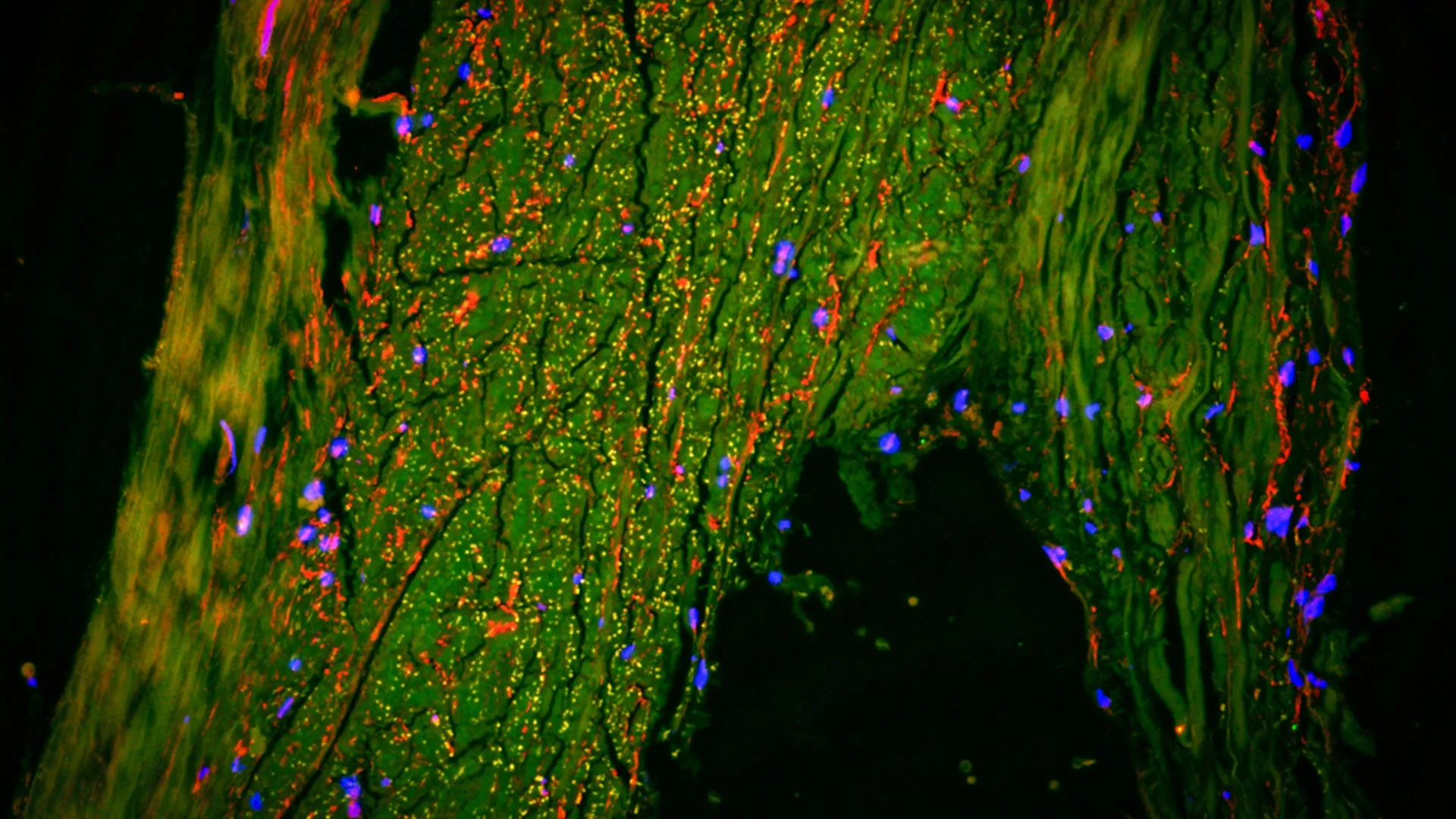
The human brain, a marvel of biological engineering, possesses an intricate and often overlooked system for waste removal, analogous to the body’s lymphatic network. For decades, scientists have grappled with understanding this vital drainage mechanism, a quest that has now pushed the boundaries of brain imaging technology. A groundbreaking study, published in the esteemed journal iScience, has provided the first direct human evidence of a previously unknown control point within this cerebral sanitation system: the middle meningeal artery (MMA). This discovery fundamentally alters our understanding of how the brain expels metabolic byproducts and excess fluids, with profound implications for neurological health and disease.
Revolutionizing Brain Fluid Dynamics: Advanced Imaging Unlocks New Insights
The research, spearheaded by Dr. Onder Albayram, an associate professor in the Department of Pathology and Laboratory Medicine at the Medical University of South Carolina (MUSC), leveraged cutting-edge, real-time Magnetic Resonance Imaging (MRI) tools. These advanced imaging capabilities were notably developed through a collaborative effort with NASA, initially designed to scrutinize the physiological impacts of spaceflight on fluid distribution within the brain. This unique genesis of technology, honed for extreme environments, proved exceptionally adept at visualizing the subtle dynamics of fluid movement in the human brain under normal conditions.
The MUSC team meticulously monitored the flow of cerebrospinal fluid (CSF) and interstitial fluid within the meninges, the protective membranes surrounding the brain and spinal cord, along the path of the MMA in five healthy human volunteers. This observational period spanned six hours, allowing for a comprehensive assessment of fluid dynamics. What emerged from these scans was a revelation: the observed fluid movement was characterized by a slow, steady, and consistent flow, starkly contrasting with the rapid and dynamic pulsatility typically associated with blood circulation within arteries.
"We observed a flow pattern that did not behave like blood moving through an artery; it was slower, more like drainage, showing that this vessel is part of the brain’s cleanup system," stated Dr. Albayram in a press release. This qualitative difference in flow dynamics provided the initial, compelling indication that the MMA was not merely a conduit for blood supply but an integral component of the brain’s lymphatic clearance mechanism.
A Paradigm Shift in Neuro-Immune Understanding
Historically, the meninges were largely perceived as a robust barrier, effectively segregating the central nervous system from the body’s peripheral immune and lymphatic systems. This view, prevalent for many years, posited a relatively isolated brain environment. However, scientific understanding has undergone a significant evolution over the past decade, with accumulating evidence suggesting a far more interconnected relationship.
Dr. Albayram’s research aligns with and significantly advances this evolving perspective. His extensive work on lymphatic vessels embedded within the meninges has consistently pointed towards their role as critical conduits for waste removal from the brain. These vessels, he posits, act as the brain’s internal plumbing, channeling metabolic waste products and excess fluids out of the central nervous system and into the broader systemic lymphatic network, where they are processed and eliminated by the body.
The ability to precisely track fluid movement between the brain and the rest of the body is not merely an academic pursuit; it holds immense practical significance. A deeper comprehension of these pathways could pave the way for novel therapeutic strategies to prevent and treat a wide spectrum of neurological and psychiatric disorders, many of which are increasingly being linked to impaired waste clearance.
Visual Confirmation: Imaging and Histology Intersect
This latest study builds upon Dr. Albayram’s previous pioneering work. In a 2022 publication in Nature Communications, he and his colleagues first successfully visualized meningeal lymphatic vessels in humans, a critical step in validating their existence and function. The current research, however, goes a significant step further by capturing the real-time movement of fluids within these deep lymphatic structures of the brain.
To solidify their findings and provide irrefutable biological corroboration, the research team employed an additional, highly sophisticated investigative technique: ultra high-resolution imaging of human brain tissue. In a remarkable collaboration with scientists at Cornell University, they utilized an advanced methodology that enabled the simultaneous visualization of multiple cell types within the tissue samples.
This detailed histological analysis revealed a striking presence of cell types commonly associated with lymphatic vessels in the tissue surrounding the MMA. These cellular signatures are precisely the types of structures responsible for waste clearance throughout the body’s lymphatic system. The confluence of the real-time fluid imaging data and the detailed tissue analysis provided a robust and multi-faceted confirmation: the slow-moving fluid observed via MRI was indeed traversing through lymphatic vessels, not blood vessels, directly linking the dynamic imaging observations to tangible biological evidence.
The Importance of Studying Healthy Systems: Establishing a Baseline
A cornerstone of this research’s methodological strength lies in its deliberate focus on studying healthy individuals. By first establishing a clear baseline of normal function in an uncompromised system, researchers are better equipped to identify and understand deviations that occur in disease states. This approach is crucial for deciphering the subtle changes that may precede overt symptoms or contribute to disease progression.
The establishment of this "normal" functioning is particularly vital for understanding conditions where waste clearance is implicated. For instance, disruptions in the brain’s lymphatic drainage system are increasingly suspected to play a significant role in the aftermath of traumatic brain injury (TBI) and in the pathogenesis of neurodegenerative diseases such as Alzheimer’s and Parkinson’s. By understanding how the system operates when healthy, scientists can more accurately pinpoint where and how it malfunctions when disease strikes.
Far-Reaching Implications: From Aging to Alzheimer’s
The implications of this discovery are potentially vast, extending across a broad spectrum of neurological and age-related conditions. This enhanced understanding of the brain’s waste removal mechanisms could illuminate critical aspects of brain aging, chronic inflammation within the central nervous system, the physiological responses to injury, and the complex etiologies of neurodegenerative diseases like Alzheimer’s, as well as various psychiatric disorders.
Dr. Albayram is already building upon these foundational findings. His ongoing research is actively investigating how this newly identified drainage pathway functions in individuals diagnosed with neurodegenerative diseases. The ultimate long-term objective is to translate these fundamental discoveries into tangible clinical advancements, including improved early diagnostic tools, the development of effective preventive strategies, and the creation of more potent and targeted therapeutic interventions.
"A major challenge in brain research is that we still don’t fully understand how a healthy brain functions and ages," Dr. Albayram emphasized. "Once we understand what ‘normal’ looks like, we can recognize early signs of disease and design better treatments." This sentiment underscores the profound impact that a deeper understanding of fundamental biological processes can have on the future of medicine.
Chronological Context and Scientific Precedent
The journey to this discovery is not a singular event but the culmination of years of dedicated research and technological advancement.
- Decades Prior: The concept of a glymphatic system, a brain-specific waste clearance pathway analogous to the body’s lymphatic system, gained traction in scientific literature, notably through research highlighting the role of aquaporin-4 water channels in CSF-interstitial fluid exchange. However, direct visualization and functional confirmation of meningeal lymphatic vessels in humans remained elusive.
- 2021: Dr. Albayram’s earlier work contributed to the growing body of evidence suggesting the presence and significance of meningeal lymphatics.
- 2022: A pivotal publication in Nature Communications by Albayram’s team provided the first direct visualization of meningeal lymphatic vessels in humans, a critical precursor to the current study. This study utilized advanced imaging techniques to map these vessels, confirming their anatomical existence.
- Recent Study (Published in iScience): This current research builds directly on the 2022 findings by employing real-time MRI to track fluid movement within these meningeal lymphatics, specifically identifying the MMA as a key control point. The integration of histological analysis further strengthens the conclusions.
Expert Commentary and Broader Scientific Reaction (Inferred)
While direct quotes from external parties are not provided in the original material, the significance of this discovery would undoubtedly elicit considerable interest and discussion within the neuroscience and medical research communities. Leading neuroscientists, particularly those focused on neuroinflammation, neurodegeneration, and neuro-immunology, would likely view this research as a substantial leap forward.
- Potential impact on neurodegenerative disease research: Researchers investigating Alzheimer’s, Parkinson’s, and other protein-misfolding diseases, which are often associated with impaired waste clearance, would see this as a crucial piece of the puzzle. Understanding how the MMA influences the removal of amyloid-beta and tau proteins, for example, could unlock new therapeutic avenues.
- Implications for TBI and stroke: The role of lymphatic drainage in clearing debris and reducing swelling post-injury is a critical area of investigation. This discovery could lead to novel interventions aimed at accelerating recovery and mitigating long-term damage from TBI and stroke.
- Advancements in brain imaging: The successful application of NASA-developed MRI technology for this purpose highlights the power of interdisciplinary collaboration and could inspire further innovation in medical imaging for neurological applications.
Analysis of Implications: A New Frontier in Brain Health
The identification of the MMA as a critical control point in the brain’s lymphatic drainage system represents a paradigm shift with profound implications for our understanding and treatment of a multitude of neurological conditions.
- Targeted Therapies: The MMA could become a novel therapeutic target. Interventions aimed at optimizing or restoring its function might prove beneficial in conditions characterized by impaired waste clearance. This could involve pharmacological agents or even minimally invasive procedures.
- Diagnostic Markers: Changes in the flow dynamics or structural integrity of the MMA and associated lymphatic vessels could potentially serve as early diagnostic biomarkers for neurodegenerative diseases or other neurological insults.
- Understanding Aging: The brain’s ability to clear waste naturally declines with age. Understanding the role of the MMA in this process could provide insights into age-related cognitive decline and the increased susceptibility to neurological diseases in older adults.
- Inflammation and Immunity: The intricate connection between the brain’s lymphatic system and the peripheral immune system is a burgeoning area of research. This discovery may offer new avenues to explore how inflammation impacts brain health and how the brain’s own drainage system can modulate immune responses.
In conclusion, the research from MUSC, empowered by advanced imaging technology, has unveiled a critical yet previously unrecognized component of the brain’s sophisticated waste management system. The middle meningeal artery, now understood to be a key player in this intricate dance of fluid and waste removal, opens a new chapter in neuroscience, promising to accelerate the development of treatments and preventive strategies for a wide range of debilitating brain disorders.