
 Ronny Sianturi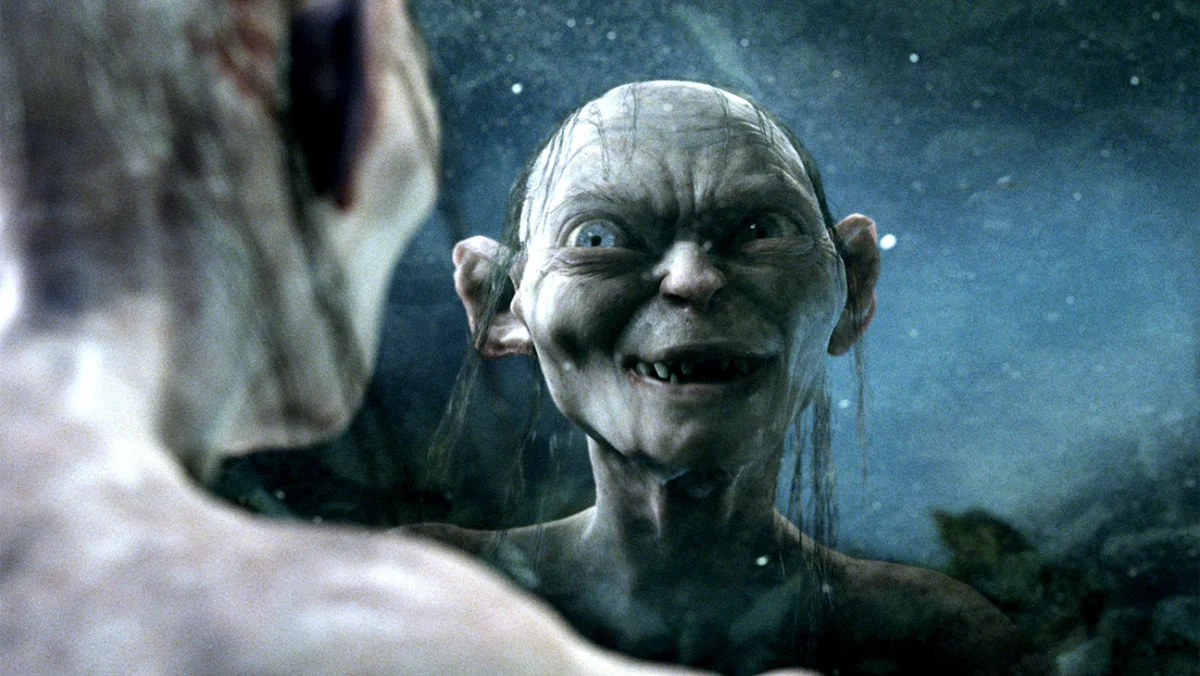
The cinematic landscape of Middle-earth is set to expand once more, as Warner Bros. and New Line have officially unveiled a significant portion of the cast for their highly anticipated film, The Lord of the Rings: The Hunt for Gollum. The momentous announcement was made during Warner Bros.’ prominent presentation at CinemaCon, the annual trade show where Hollywood studios convene with cinema owners to showcase upcoming projects and solidify theatrical strategies. This revelation follows months of fervent speculation within fan communities and industry circles, marking a pivotal moment for the future of J.R.R. Tolkien’s enduring saga on the big screen.
A New Era for Iconic Roles and Familiar Faces
At the heart of the casting news is the reintroduction of key characters from the original The Lord of the Rings trilogy, albeit with a significant shift in one pivotal role. Jamie Dornan is slated to portray Strider, a character widely recognized by fans as Aragorn, the future King of Gondor. This casting marks a departure from Viggo Mortensen’s iconic portrayal in Peter Jackson’s original trilogy, signaling a new interpretation of the Ranger of the North and chieftain of the Dúnedain. Dornan, known for his versatile performances in projects like Fifty Shades of Grey and The Fall, steps into the formidable boots of a character central to the fate of Middle-earth.
Joining Dornan on this perilous quest is Leo Woodall, who will embody Halvard, another Dúnedain ranger. Woodall’s character is set to accompany Strider on the titular hunt, suggesting a dynamic partnership and a deeper exploration of the ranger fellowship. Woodall’s recent rise to prominence, particularly his role in the critically acclaimed series One Day, indicates a promising addition to the ensemble.
Adding a thread of continuity from the prequel era, Lee Pace is confirmed to reprise his role as Thranduil, the Elvenking of Mirkwood. Pace previously graced the screen as the regal elf in Peter Jackson’s The Hobbit trilogy, and his return promises to connect the narrative threads between the different cinematic iterations of Tolkien’s world.
Serkis at the Helm, Reprising a Beloved Role
The creative reins of The Lord of the Rings: The Hunt for Gollum have been placed in the hands of Andy Serkis, who will not only direct but also reprise his groundbreaking performance as Gollum. Serkis first brought the complex and tragic character to life in the early 2000s through Peter Jackson’s The Lord of the Rings trilogy and later returned for The Hobbit: An Unexpected Journey. His intimate understanding of Gollum, honed through extensive motion-capture work and nuanced performance, makes him an ideal choice to lead this new chapter.
Serkis expressed his enthusiasm for the project in a released statement, emphasizing the franchise’s tradition of assembling formidable talent. "Across two trilogies, a mark of a Middle-earth film has always been the formidable array of talent brought to bear in every role," Serkis stated. "The Hunt for Gollum continues in that tradition, and I am delighted to announce the return of two of Middle-earth’s most beloved performers, alongside some exceptionally talented new additions to Tolkien’s world." This sentiment underscores the studio’s commitment to maintaining the high standard of acting that has defined The Lord of the Rings films.
Establishing the Chronological Context
The Lord of the Rings: The Hunt for Gollum is strategically positioned within the intricate timeline of Tolkien’s Middle-earth. The film’s narrative is set between the events of The Hobbit trilogy and The Lord of the Rings trilogy. This temporal placement is crucial, as it centers on the critical period when Aragorn and Gandalf were actively searching for Gollum. Their primary objective was to glean information about the whereabouts of Bilbo Baggins and, more importantly, the mysterious ring he possessed – the very One Ring that would later threaten the entirety of Middle-earth. This period represents a vital connective tissue, bridging the relatively lighter adventures of The Hobbit with the epic, world-ending stakes of The Lord of the Rings.
Esteemed Actors Join the Ensemble
Further enriching the cast, acclaimed actress Kate Winslet has been confirmed as a new addition to the franchise, though her specific role has not yet been disclosed. Winslet’s involvement signifies a significant draw and an indication of the caliber of talent the studio is attracting for this new venture.
In a move that will undoubtedly thrill fans, Ian McKellen is set to return as the wise and powerful wizard Gandalf. McKellen’s portrayal of Gandalf has become synonymous with the character, and his presence provides a strong link to the beloved original films. Furthermore, Elijah Wood will reprise his role as Frodo Baggins, the hobbit who bore the One Ring. While the exact nature of Frodo’s involvement in a film focused on the hunt for Gollum remains to be seen, his return suggests a direct narrative connection or a framing device for the story.
The film is currently slated for a theatrical release on December 17, 2027. This strategic release date allows ample time for production and post-production, particularly given the visual effects demands inherent in any Lord of the Rings project.
A Dual Approach to Middle-earth’s Future
The announcement of The Hunt for Gollum also comes with the confirmation that it is not the sole Lord of the Rings film in development. Warner Bros. is also moving forward with a second film, currently operating under the working title The Lord of the Rings: Shadow of the Past. This project is being penned by a notable creative team, including comedian and talk show host Stephen Colbert, alongside established Lord of the Rings writers Philippa Boyens and Peter McGee. Shadow of the Past is positioned to follow The Hunt for Gollum in the release schedule, indicating a coordinated effort to expand the cinematic universe. As of the CinemaCon announcement, a director has not yet been attached to Shadow of the Past.
CinemaCon: A Platform for Industry Announcements
The choice of CinemaCon for these major reveals is significant. Held annually in Las Vegas and hosted by NATO (the National Association of Theatre Owners), CinemaCon serves as a critical nexus for the film industry. It provides a platform for studios to engage directly with cinema owners, discuss marketing strategies, and build anticipation for their upcoming slates. Warner Bros.’ presentation at CinemaCon is typically a high-profile event, offering a glimpse into their strategic direction and their commitment to major franchise properties like The Lord of the Rings. This year’s event, running from April 13-16, has been particularly noteworthy for its substantial franchise announcements.
Analysis and Implications
The casting of Jamie Dornan as Strider/Aragorn represents a bold creative choice. While Viggo Mortensen’s portrayal is deeply etched in the minds of fans, a new actor in the role allows for a fresh interpretation and potentially a different arc for the character in this prequel narrative. The film’s focus on the hunt for Gollum, a period often alluded to but not fully explored in the original films, offers a compelling opportunity to delve into the early stages of Aragorn’s journey and his developing role as a protector of the Free Peoples.
The return of Andy Serkis as director and Gollum is a significant boon for the project. His deep connection to the character and his directorial experience, including Venom: Let There Be Carnage, suggest a vision that will honor the source material while bringing a contemporary cinematic sensibility to the film. The inclusion of Ian McKellen and Elijah Wood further solidifies the project’s ties to the original trilogy, aiming to bridge the gap between nostalgic appreciation and new storytelling.
The development of two Lord of the Rings films concurrently signals Warner Bros.’ renewed commitment to the franchise. The Hunt for Gollum appears to be the more immediate and character-driven narrative, while Shadow of the Past suggests a broader exploration of Middle-earth’s lore. The involvement of Stephen Colbert in the latter project adds an intriguing element, potentially bringing a unique comedic or thematic perspective to the series.
The long-term implications of these new films could be substantial. If successful, they could pave the way for further expansions of Tolkien’s universe, exploring other eras, characters, and stories within Middle-earth. The studio’s strategy of leveraging both established actors and new talent, coupled with a clear chronological roadmap, suggests a well-thought-out approach to revitalizing one of cinema’s most beloved fantasy franchises. The 2027 release date, while distant, allows for meticulous development and ensures that audiences will be eager to return to Middle-earth for this new chapter.








