Ronny Sianturi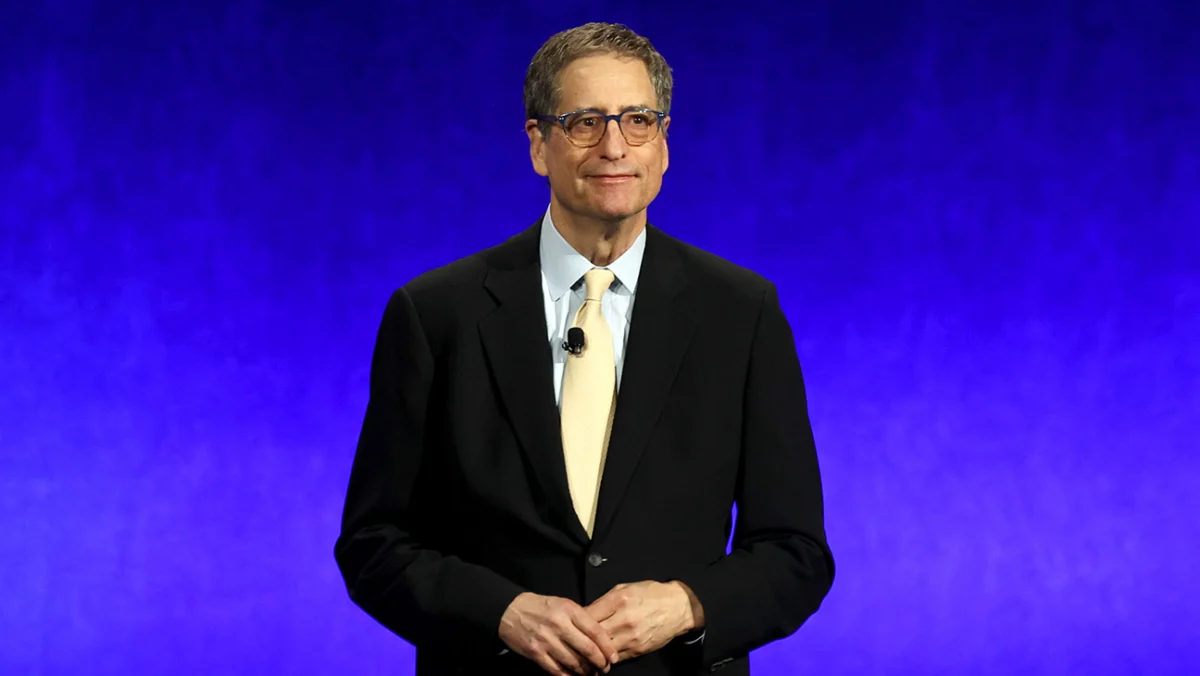
Las Vegas – Tom Rothman, Chairman of Sony Pictures Motion Picture Group, a figure typically known for his fiery defense of the theatrical experience against perceived digital competitors, delivered a surprising and pointed address to cinema owners at CinemaCon this year. Instead of his usual broadsides against streaming services, Rothman turned his critical gaze inward, directly addressing the cinema operators themselves and urging them to confront critical issues within their own business model that could imperil the future of moviegoing. His remarks, delivered on April 13th, marked a significant pivot in the perennial dialogue between Hollywood studios and the exhibitors who bring their films to the public.
Rothman, who has a history of using strong language to champion the big-screen experience – famously quipping, "Netflix, my ass" – adopted a more introspective tone. He prefaced his remarks by emphasizing his long-standing commitment to movie theaters, stating, "What I’m about to say, I say as a lifelong defender of movie theaters. But I urge you all now to make some hard choices for the long term rather than the short term health of your business." He framed the current moment as an "Olympic moment" for exhibitors, urging them to prioritize three immediate, albeit challenging, goals.
The Three Pillars of Rothman’s Challenge to Exhibitors
Rothman’s address pinpointed several key areas where he believes cinema operators must enact immediate change to ensure the continued vitality of the theatrical landscape.
1. Upholding Theatrical Windows: A Familiar Plea with a New Context
The first point of contention for Rothman was the enforcement of theatrical windows – the exclusive period during which a film is shown only in cinemas before becoming available on other platforms. This call for stricter adherence to windows predictably elicited enthusiastic applause from the assembled theater owners, a sentiment they have long championed. However, the celebratory mood began to wane as Rothman elaborated on his other concerns, suggesting that the industry’s focus on windows, while important, might be overshadowing equally critical internal challenges.
2. Curtailing Extended Preshows: Reclaiming the Audience’s Time
A more contentious aspect of Rothman’s speech was his direct criticism of the increasingly lengthy preshows that have become a staple in many cinemas. He highlighted that these pre-film segments, often stretching to 30 minutes due to the inclusion of commercials interspersed with trailers, are alienating a significant portion of the audience. Rothman’s blunt directive, "Get off the ad crack," underscored his belief that this practice is detrimental to the moviegoing experience. He argued that infrequent moviegoers, those who may only visit a theater occasionally, are particularly put off by being forced to endure extended commercial blocks. This is especially true, he posited, when compared to the at-home viewing experience, where consumers can often access content for free and without advertising.
This critique is particularly relevant in the current economic climate, where consumers are increasingly scrutinizing discretionary spending. The perception of value is paramount, and lengthy, advertisement-laden preshows can diminish the perceived worth of a cinema ticket. Data from industry analytics firms has consistently shown that while core moviegoers are more tolerant of longer preshows, casual attendees are more sensitive to perceived time-wasting or "nickel-and-diming" tactics.
3. Addressing Ticket Price Affordability: The Economic Imperative
Perhaps the most significant departure from Rothman’s past rhetoric was his direct confrontation with the issue of rising ticket prices. He identified affordability as "by far the number one economic issue along the majority of Americas." Rothman acknowledged the investments many exhibitors have made in upgrading their facilities, expressing a desire to support their efforts. However, he stressed that "Going to the movies must be more affordable again." This statement directly addresses a growing concern that the escalating cost of a cinema outing is becoming prohibitive for many families, pushing them towards more cost-effective entertainment options.
The average ticket price in the United States has seen a steady increase over the years. According to the National Association of Theater Owners (NATO), the average ticket price in 2023 hovered around $10.50, a figure that has climbed significantly from previous decades. While this reflects inflation and the cost of maintaining modern multiplexes, Rothman’s remarks suggest that for a substantial segment of the population, this price point has crossed a threshold, impacting attendance.
A Glimpse into the Future: Optimism for 2026
Despite his pointed criticisms, Rothman conveyed a strong sense of optimism for the future of the box office, particularly looking ahead to 2026. He anticipates that the coming year will be one of the strongest in recent memory, citing robust film slates expected from major studios, including Sony Pictures. "I think all the studios – hopefully us included – have strong slates coming," he stated. This optimism, he argued, makes the current moment ideal for implementing the long-term improvements he advocates for.
Rothman invoked the Olympic motto, "together," to underscore the need for collaboration between studios and exhibitors. He emphasized that both parties must fulfill their respective responsibilities for the theatrical business to thrive. "We must hold up our end, and you yours, but together I firmly believe the theatrical business will prevail," he concluded his remarks on this theme.
The Broader Context: Shifting Dynamics in the Exhibition Landscape
Rothman’s address arrives at a pivotal moment for the cinema industry. The COVID-19 pandemic accelerated pre-existing trends, forcing a re-evaluation of traditional theatrical release strategies. The widespread adoption of premium video on demand (PVOD) and the increasing prevalence of shorter theatrical windows have created a complex and often contentious relationship between studios and exhibitors.
Historically, theatrical windows were a guarded commodity, often lasting 72 to 90 days. However, the pandemic saw a dramatic compression of these windows. A landmark deal between Universal Pictures and AMC Theatres in 2020 effectively collapsed this exclusive period, allowing films to move to PVOD within 17 to 45 days, depending on a movie’s opening weekend performance. This trend has been largely emulated by other studios, with the notable exception of Disney, leading to a situation where many major releases become available for home viewing after approximately one month.
Universal, a leader in the PVOD space, has recently signaled a partial return to longer windows, announcing its intention to wait 45 days before making films available at home, with an exemption for its specialty division, Focus Features. This move has been interpreted by some as a recognition of the continued importance of the theatrical release as a revenue driver and a means of generating cultural impact. However, the industry remains in a state of flux, with ongoing negotiations and strategic adjustments shaping the future of film distribution.
Industry Reactions and Future Implications
It remains to be seen how Rothman’s candid assessment will be received by exhibitors and their representative bodies, such as Cinema United, whose president and CEO, Michael O’Leary, was slated to deliver his own address. Cinema United has consistently identified the preservation of theatrical windows as their paramount concern. The fact that Rothman, a studio head, is now directing criticism towards the exhibitor side suggests a growing awareness within the studio system that internal operational issues within cinemas are as crucial to the industry’s health as external competitive pressures.
The implications of Rothman’s message are multifaceted. For exhibitors, it presents a challenge to critically examine their own business practices and adapt to evolving consumer expectations. The focus on the preshow experience and ticket pricing suggests a need for innovation in how cinemas engage audiences and offer value beyond the film itself. This could include exploring tiered ticketing options, enhancing pre-show entertainment beyond advertisements, or developing more dynamic pricing strategies.
Furthermore, Rothman’s emphasis on collaboration signals a potential pathway towards a more unified front against the fragmentation of the entertainment landscape. By acknowledging the shared stake in the success of the theatrical experience, studios and exhibitors might find common ground to navigate the complex challenges ahead.
A Look Ahead: Rothman’s Continued Influence
Sources within The Hollywood Reporter indicate that Sony Pictures intends to maintain Tom Rothman at the helm of its Motion Picture Group for the foreseeable future. His tenure has been marked by a strong advocacy for the theatrical model, and his leadership is reportedly well-regarded by his superior, Sony Pictures Entertainment Chair-CEO Ravi Ajuha, who has been in his role for over a year.
This continuity in leadership is likely positive news for exhibitors, even in light of Rothman’s direct and sometimes uncomfortable feedback. His closing remarks at CinemaCon, "And as I said, we will work with you on all of this. I will hop off my soapbox now and begin the show," suggest a willingness to engage constructively. This collaborative spirit, coupled with a clear-eyed assessment of the challenges, could pave the way for a more resilient and prosperous future for the theatrical film industry. The "Olympic moment" Rothman described is not just about competition, but about a collective effort to redefine and revitalize the magic of the movie theater for generations to come.