
 Reynand Wu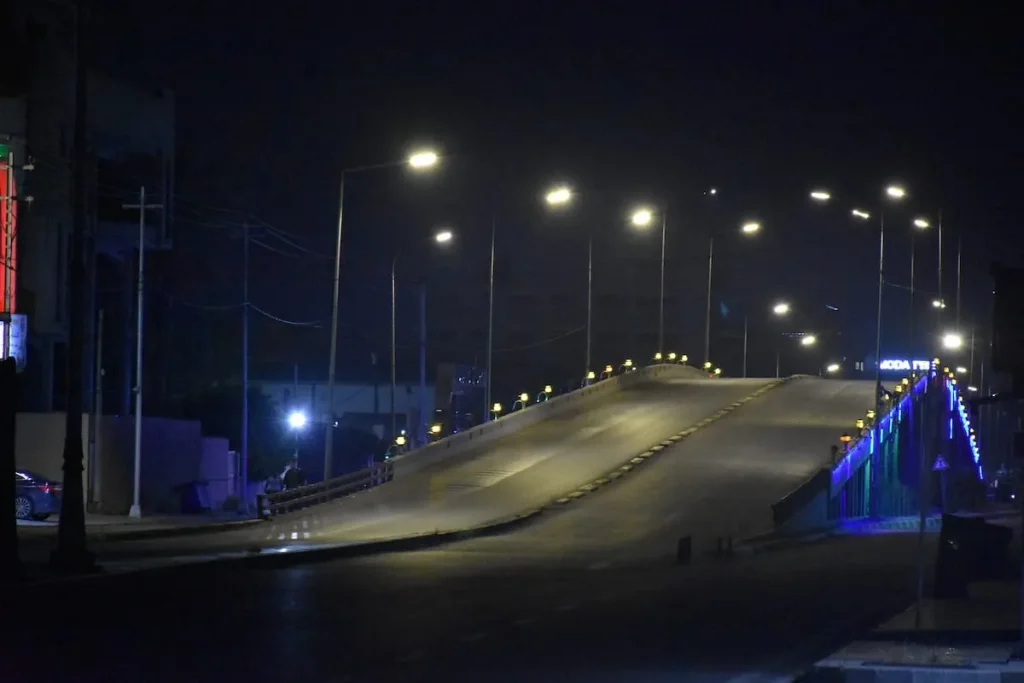
The global onset of the COVID-19 pandemic triggered an unprecedented disruption to social behaviors worldwide, impacting everything from daily interactions to broader societal trends like civic engagement, discrimination, and public protests. Amidst this upheaval, a critical question emerged for global security: what effect would these extraordinary circumstances, particularly widespread lockdown measures, have on extreme behaviors, such as terrorist activities perpetrated by groups like the Islamic State of Iraq and Syria (ISIS)? Many armed actors, including ISIS, were quick to threaten the exploitation of the pandemic to advance their strategic objectives, with ISIS notably referring to COVID-19 in its propaganda as the “smallest soldier of Allah on the face of the earth,” signaling an intent to capitalize on the perceived chaos and diversion of resources.
Initially, the prevailing sentiment among security analysts and policymakers was one of grave concern. The pandemic presented a seemingly fertile ground for extremist groups. National budgets, already strained, faced immense pressure, potentially leading to a reallocation of resources away from counter-terrorism efforts towards immediate public health crises. Moreover, security forces in numerous countries were often repurposed to assist with public health initiatives, such as enforcing lockdowns, distributing aid, or managing overwhelmed healthcare systems, thereby reducing their capacity for direct counter-insurgency operations. This dual pressure — diminished financial resources and diverted personnel — was widely anticipated to create a security vacuum that groups like ISIS could readily exploit, reinvigorating their insurgency in regions where they had suffered significant territorial losses.
Unveiling the Counter-Intuitive Reality: The Yale Research Findings
However, groundbreaking research conducted by Dr. Dawn Brancati and her colleagues, published in the American Political Science Review, presented a starkly different and counter-intuitive reality. Their comprehensive study revealed that, contrary to initial fears and ISIS’s own propaganda, the pandemic did not generally lead to an increase in ISIS attacks. Instead, the research found a significant reduction in attacks attributed to ISIS in key operational theaters, specifically Egypt, Iraq, and Syria. This effect was not uniform but showed particular potency in densely populated urban areas, where civilian presence typically offers physical cover for illicit activities, and in regions outside ISIS’s primary bases of operation, which became harder to access due to widespread travel restrictions.
The implications of these findings are profound, challenging conventional wisdom regarding the resilience and adaptability of even the most formidable non-state armed actors. The study leveraged detailed incident data on ISIS attacks alongside granular information on lockdown measures, allowing for a robust analysis of the causal relationship between public health interventions and extremist violence.
Mechanisms of Disruption: How Lockdowns Crippled ISIS Operations
The research elucidated several key mechanisms through which lockdown measures inadvertently hampered ISIS’s operational capabilities:
-
Loss of Physical Cover and High-Value Targets: In urban environments, a high density of civilian movement provides an ideal operational backdrop for extremist groups. Militants can blend into crowds, conduct surveillance, transport materials, and execute attacks with a degree of anonymity. Lockdowns, by taking people off the streets and emptying public spaces, stripped ISIS of this crucial physical cover. The absence of bustling markets, public gatherings, and active commercial centers also eliminated many "high-value" civilian targets that ISIS frequently exploits for maximum impact and terror. With fewer people congregating, opportunities for mass-casualty attacks diminished significantly.
-
Disruption of Revenue Streams: ISIS, despite its ideological motivations, operates as a sophisticated criminal enterprise. Its financing relies heavily on illicit activities such as extortion, kidnapping for ransom, smuggling (oil, antiquities, people), and various forms of illicit taxation in areas under its influence. Lockdowns, by shutting down businesses, restricting trade, and limiting travel, severely disrupted these revenue streams. Fewer active businesses meant fewer targets for extortion; reduced movement curtailed smuggling routes; and a general economic downturn would naturally impact the ability of local populations to pay "taxes" or ransoms. While the research noted that lockdowns were not in place long enough to entirely deplete ISIS’s substantial financial reserves, the disruption to daily income generation was considerable.
-
Challenges to Logistics and Recruitment: The imposition of travel restrictions, checkpoints, and curfews created significant logistical hurdles for ISIS. Moving personnel, weapons, and intelligence across regions became far more perilous and detectable. Furthermore, the ability to conduct in-person recruitment drives, proselytize, or disseminate propaganda through direct contact would have been severely curtailed. While online radicalization remained a threat, the ground-level logistical and human interaction elements crucial for maintaining an active insurgency were significantly hampered.
A Global Security Shift: Initial Concerns vs. Observed Realities
The early days of the pandemic saw widespread concern from international bodies and national security agencies. Reports from the United Nations Office of Counter-Terrorism (UNOCT) and various national intelligence assessments highlighted the potential for groups like ISIS and Al-Qaeda to exploit the global health crisis. Experts feared that the diversion of military resources, coupled with the socio-economic distress caused by lockdowns, would create fertile ground for recruitment and a resurgence of terrorist activity. For instance, the US military’s Central Command noted early in the pandemic that ISIS might view COVID-19 as an opportunity to reorganize and launch attacks, particularly in Iraq and Syria, where coalition forces were also adjusting to pandemic protocols.
However, the empirical evidence from Dr. Brancati’s research suggests a more nuanced reality. While the intent to exploit the crisis was clearly articulated by ISIS, the practical execution of their plans proved challenging under the strictures of a global health emergency. This highlights a crucial distinction between propaganda and operational reality; even a highly adaptive and ruthless organization like ISIS is ultimately constrained by the physical and social environment in which it operates.
Chronology of Key Events: Pandemic and Insurgency (2020-2021)
- January-February 2020: Initial global recognition of COVID-19. ISIS propaganda begins to reference the virus, portraying it as divine punishment for infidels and a potential advantage for the group.
- March 2020: World Health Organization declares COVID-19 a pandemic. Countries globally, including Iraq, Syria, and Egypt, begin implementing strict lockdown measures, travel bans, and curfews. This period sees the sharpest decline in reported ISIS attacks in the studied regions.
- April-May 2020: Lockdowns intensify across the Middle East. ISIS continues its propaganda, but operational activity remains subdued compared to pre-pandemic levels. Security forces in Iraq and Syria are visibly engaged in enforcing health regulations alongside their counter-terrorism duties.
- June-August 2020: Gradual easing of some lockdown measures in various countries. The research suggests a slight uptick in ISIS activity as restrictions ease, but not to pre-pandemic levels, indicating the direct correlation between the measures and reduced attacks.
- Late 2020-Early 2021: Subsequent waves of COVID-19 lead to renewed, albeit often less stringent, restrictions. ISIS maintains a low-level insurgency, but major offensive operations or significant gains are largely absent. The focus of international counter-terrorism partners remains split between health crises and security concerns.
A Comparative Perspective: ISIS vs. Other Non-State Actors
The research also offered critical insights into the comparative resilience of different armed groups. It posits that while lockdowns significantly impacted ISIS, they likely posed an even greater challenge to most other non-state armed groups. This distinction arises from several factors unique to ISIS:
- Financial Reserves: ISIS is notorious for its vast financial reserves, accumulated during its peak territorial control through oil sales, extortion, and other illicit means. This war chest allowed it to withstand short-term disruptions to its revenue streams better than groups with smaller, more precarious financial bases.
- Operational Geography: While ISIS did operate in urban areas, a significant portion of its post-caliphate insurgency has been concentrated in largely rural, sparsely populated, and often ungoverned spaces. Lockdowns in these areas, while present, were often less strictly enforced or had less impact on the group’s ability to operate compared to densely populated cities.
- Targeting Strategy: While ISIS does target civilians, its post-caliphate insurgency has often focused on security forces and infrastructure, especially in Iraq and Syria. Many other armed groups, particularly those embedded within specific communities or engaged in local power struggles, rely much more heavily on direct targeting of civilian populations, making them more vulnerable to the effects of emptied public spaces.
Therefore, the study suggests that the disruptive effect of lockdowns on other, less financially robust, more urban-centric, and civilian-targeting armed groups would have been even more pronounced than it was on ISIS. This offers valuable insights for understanding the varying vulnerabilities of different extremist organizations to external shocks.
Expert Commentary and Policy Implications
Counter-terrorism experts, while initially wary, have begun to digest these findings, acknowledging the unexpected twists of the pandemic. Dr. Brancati’s research underscores that even sophisticated terrorist groups are not immune to the fundamental constraints of their operational environment. As one hypothetical counter-terrorism analyst might observe, "The pandemic demonstrated that physical context and human interaction remain critical vulnerabilities for extremist groups, regardless of their online presence or propaganda. Even the most hardened organizations need physical space and targets to operate effectively."
The implications for future counter-terrorism strategies are noteworthy:
- Understanding Urban Dynamics: The significant reduction in attacks in densely populated areas highlights the importance of urban security strategies and the potential for disrupting extremist operations by controlling public spaces and population movement, even outside of a pandemic context.
- Beyond Propaganda: Policymakers should be cautious about taking extremist propaganda at face value. While groups like ISIS will always attempt to exploit crises, their practical capacity to do so can be severely limited by unforeseen environmental factors.
- Vulnerability of Revenue Streams: The disruption to ISIS’s revenue generation during lockdowns reinforces the importance of targeting terrorist financing as a core counter-terrorism pillar. Economic pressure points can be highly effective, even if temporary.
- Adaptability of State Responses: The study implicitly commends the swift, albeit involuntary, adaptability of state responses. While not designed for counter-terrorism, public health measures had a demonstrable security benefit. This suggests that multi-sectoral approaches to security, even when indirect, can be highly effective.
Conclusion: Context as the Ultimate Constraint
The COVID-19 pandemic and its accompanying lockdown measures presented a unique and involuntary global experiment in social engineering. While the world grappled with an unprecedented health crisis, the unintended consequences for global security, particularly regarding extremist violence, offered surprising lessons. Despite ISIS’s aggressive propaganda framing COVID-19 as an opportunity and "Allah’s smallest soldier," the empirical evidence clearly demonstrates that the pandemic’s restrictive measures ultimately served as a powerful, albeit indirect, counter-terrorism tool.
The research by Dr. Dawn Brancati and her colleagues profoundly illustrates how much social context and opportunity truly matter to extremist violence. Even a globally recognized terrorist group such as ISIS, with its vast resources and ideological fervor, was fundamentally constrained by the practical realities of a locked-down world, much like everyone else. This finding offers a critical reminder that while extremist ideologies persist, their ability to translate into kinetic action is often dictated by the tangible, physical environment, challenging the narrative of unyielding terrorist resilience and offering new avenues for strategic thinking in the ongoing fight against global terrorism.







