Ronny Sianturi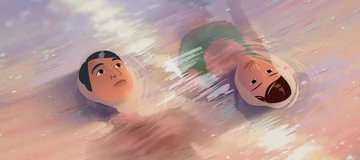
The 65th edition of the Cannes Critics’ Week, a revered sidebar dedicated to discovering emerging cinematic talent and showcasing bold, independent filmmaking, will officially commence its 2026 run with the highly anticipated animated feature In Waves. This significant opening selection marks a historic moment for the festival’s parallel section, as it is the first animated film to ever hold the prestigious opening night slot. The festival is scheduled to unfold from May 13 to May 21, offering audiences a curated glimpse into the future of cinema. The announcement, made on Monday, revealed a robust lineup of 11 feature films vying for critical acclaim and industry attention, underscoring the Critics’ Week’s commitment to diverse and compelling storytelling.
In Waves, an animated adaptation of AJ Dungo’s celebrated graphic novel, is helmed by director Phuong Mai Nguyen. The film’s compelling narrative, inspired by Dungo’s own poignant real-life love story, is set against the backdrop of California and centers on the evolving relationship between a skateboarder and a surfer. Their bond, forged in friendship and blossoming into romance, faces profound challenges when illness enters their lives. The emotional depth and visual artistry of In Waves are expected to set a high bar for the festival’s opening.
The English-language version of In Waves boasts a notable voice cast, led by the talents of Will Sharpe and Stephanie Hsu, both recognized for their impactful performances in recent years. Critics’ Week will also present the French-language version of the film, featuring the vocal contributions of esteemed French actors Lyna Khoudri, Rio Vega, Paul Kirscher, and Biran Ba. This dual-language presentation highlights the film’s international appeal and the festival’s dedication to celebrating global cinema.
Produced by the French group Silex Films in collaboration with Charades and Anonymous Content, In Waves‘ selection as the opening film is a testament to its artistic merit and potential to resonate with audiences and critics alike. Director Phuong Mai Nguyen brings a proven track record of cinematic excellence, having previously earned an Oscar shortlist nomination for her short film My Home, further bolstering expectations for her feature debut.
The Competitive Landscape of Critics’ Week 2026
In Waves is not the only compelling entry; it is one of seven features selected for the prestigious Critics’ Week competition, where films contend for prestigious awards such as the Louis Roederer Foundation Rising Star Award and the Le Grand Prix AMI Paris. This year’s competition slate reflects a global panorama of emerging directorial voices and socially relevant narratives.
Among the competitive entries is Dua, the latest work from Kosovan director Blerta Basholli. Basholli garnered significant international recognition and the Sundance Grand Jury prize in 2021 for her powerful film Hive. Her new film, Dua, delves into the enduring impact of the Kosovo War of the 1990s, exploring its lasting legacy through the story of a 13-year-old girl whose family life continues to be profoundly shaped by the conflict’s aftermath. This selection underscores Critics’ Week’s commitment to highlighting films that confront historical trauma and its human cost.
Another significant competition film is A Girl Unknown (La deuxième fille), directed by Chinese filmmaker Zou Jing. This drama tackles the complex and often fraught implications of China’s decades-long one-child policy, a policy that tragically led to the abandonment of countless baby girls across the nation. The film follows the journey of a girl who experiences life with three different families from infancy through adolescence, offering a nuanced perspective on identity, belonging, and the societal echoes of a restrictive policy.
Scottish Yemeni director Sara Ishaq’s The Station (Al Mahattah) has also secured a place in the competition. This drama is set in a gender-segregated and war-torn village in Yemen, centering on a unique women-only gas station. This establishment transcends its functional purpose, evolving into a vital meeting point and sanctuary for the women of the village. The narrative focuses on Layal and her determination to protect her 12-year-old brother, the only male tolerated at the station, from the encroaching conflict. Ishaq’s film promises to shed light on the resilience of women in challenging circumstances.
The competition lineup further includes Seis meses en el edificio rosa con azul by Mexican director Bruno Santamaria Razo, a family drama set against the backdrop of the AIDS crisis in the 1990s. French director Marine Atlan makes her feature debut with La Gradiva, and Spanish actress-turned-director Aina Clotet presents her film Viva. Rounding out the competitive features is French Irish director Alexander Murphy’s documentary Tin Castle, which offers an intimate portrait of an Irish traveler family. This film follows Murphy’s previous work, Goodbye Sisters, released in 2025, further establishing his voice in documentary filmmaking.
A Curated Selection of Cinematic Voices
Beyond the competitive sphere, Critics’ Week will present a series of special screenings and a compelling closing film. French directors Julien Gaspar-Oliveri’s Stonewall (La Frappe) and Pierre Le Gall’s Flesh and Fuel (Du Fioul dans les artères) are among the notable films selected for Out of Competition special screenings, offering audiences further opportunities to engage with diverse directorial perspectives.
The festival will conclude with the screening of French director Félix de Givry’s Adieu monde cruel. This film features Milo Machado-Graner, the breakout star of the Palme d’Or winning Anatomy of a Fall, in the role of a teenager who attempts suicide and survives, leading to a profound exploration of the aftermath and his journey forward.
Historical Context and Significance of Cannes Critics’ Week
The Cannes Critics’ Week, established in 1962, holds a distinguished position within the Cannes Film Festival ecosystem. It operates as an independent sidebar, with its own jury and awards, dedicated exclusively to discovering and championing first and second films by emerging directors from around the globe. The selection process is notoriously rigorous, with a strong emphasis on artistic innovation, unique perspectives, and the potential for these nascent talents to shape the future of cinema.
Historically, Critics’ Week has been instrumental in launching the careers of numerous acclaimed filmmakers. Its alumni list reads like a who’s who of contemporary cinema, with directors like François Ozon, Ken Loach, Wong Kar-wai, and Bong Joon-ho having presented their early works within its program. The sidebar’s commitment to showcasing diverse voices and challenging narratives has solidified its reputation as a vital platform for discovering cinematic breakthroughs. The 2026 edition, with its focus on animation, international stories of resilience, and deeply personal narratives, continues this tradition of fostering bold and important filmmaking.
The selection of an animated film to open Critics’ Week is a particularly significant development. While animation has long been recognized for its artistic sophistication and narrative potential, its presence in major festival opening slots has been less common, often relegated to genre-specific sections or family programming. In Waves‘ honor signifies a growing acceptance and appreciation for animation as a powerful storytelling medium capable of tackling complex themes with nuance and emotional depth, deserving of a prominent position on the international film stage. This choice by the Critics’ Week programmers could signal a broader trend of increased recognition for animated features within the competitive landscape of major film festivals.
Thematic Resonance and Emerging Trends
The lineup for Cannes Critics’ Week 2026 reflects a series of compelling thematic currents that are likely to resonate deeply with audiences and industry professionals. The recurring exploration of personal resilience in the face of societal or personal adversity is a strong undercurrent, evident in films like In Waves, Dua, and The Station. These narratives highlight the indomitable spirit of individuals navigating challenging circumstances, whether they be personal illness, historical conflict, or oppressive social structures.
Furthermore, the selection demonstrates a keen interest in films that engage with the lasting consequences of political and social policies. A Girl Unknown‘s examination of the one-child policy and Dua‘s exploration of war’s lingering impact underscore a global cinematic focus on historical legacies and their ongoing human toll. This thematic preoccupation suggests a desire within emerging cinema to understand and process the complex social and political landscapes of our time.
The inclusion of a diverse range of directorial backgrounds and geographical origins also speaks to a broader trend of globalization in filmmaking. Critics’ Week is consistently a showcase for talent from across continents, fostering cross-cultural dialogue and offering varied perspectives on universal human experiences. The presence of filmmakers from Kosovo, China, Yemen, Mexico, and Ireland alongside French and American productions emphasizes the festival’s commitment to a truly international cinematic dialogue.
The evolution of the animated medium itself is also a significant point of interest. In Waves‘ opening slot, coupled with the general increasing sophistication and thematic maturity of animated features, suggests that animation is being recognized not just as a technical marvel but as a potent vehicle for profound storytelling, capable of competing for top honors alongside live-action cinema.
Industry Implications and Future Prospects
The selection for Cannes Critics’ Week 2026 holds significant implications for the emerging filmmakers and the films themselves. For the directors involved, a premiere at such a prestigious festival offers unparalleled exposure, attracting the attention of distributors, sales agents, critics, and audiences worldwide. This platform can be a crucial springboard for launching or solidifying their careers.
For In Waves, opening Critics’ Week is more than just an honor; it’s a strategic advantage. The film’s prominent position is likely to generate substantial buzz, potentially leading to robust distribution deals and critical acclaim that can shape its reception throughout its theatrical run and awards season potential. The success of an animated film in this prime slot could also encourage more festivals to consider similar groundbreaking openings in the future, further diversifying the cinematic landscape.
The competitive nature of Critics’ Week means that each film’s performance there can significantly impact its future trajectory. Strong showings in competition can lead to prestigious awards, opening doors to further funding and international co-productions. The success of films addressing complex social and political issues also signals a growing market for cinema that is both artistically ambitious and socially conscious, encouraging filmmakers to continue exploring such vital themes.
The 2026 edition of Cannes Critics’ Week promises to be a landmark event, celebrating diverse voices, groundbreaking storytelling, and the enduring power of cinema to illuminate the human experience. From its historic animated opening to its diverse and thought-provoking competition slate, the festival is poised to once again cement its reputation as a vital launchpad for the next generation of cinematic talent.
Full 2026 Cannes Critics’ Week Lineup:
Opening Film
In Waves; director: Phuong Mai Nguyen
Competition
The Station (Al Mahattah); director: Sara Ishaq
La Gradiva; director: Marine Atlan
A Girl Unknown (La deuxième fille); director: Zou Jing
Seis meses en el edificio rosa con azul; director: Bruno Santamaría Razo
Tin Castle (Irish Travellers); director: Alexander Murphy
Viva; director: Aina Clotet
Dua; director: Blerta Basholli
Special Screenings
Flesh and Fuel (Du Fioul dans les artères); director: Pierre Le Gall
Stonewall (La Frappe); director: Julien Gaspar-Oliveri
Closing Film
Adieu monde cruel; director: Félix de Givry