Nila Kartika Wati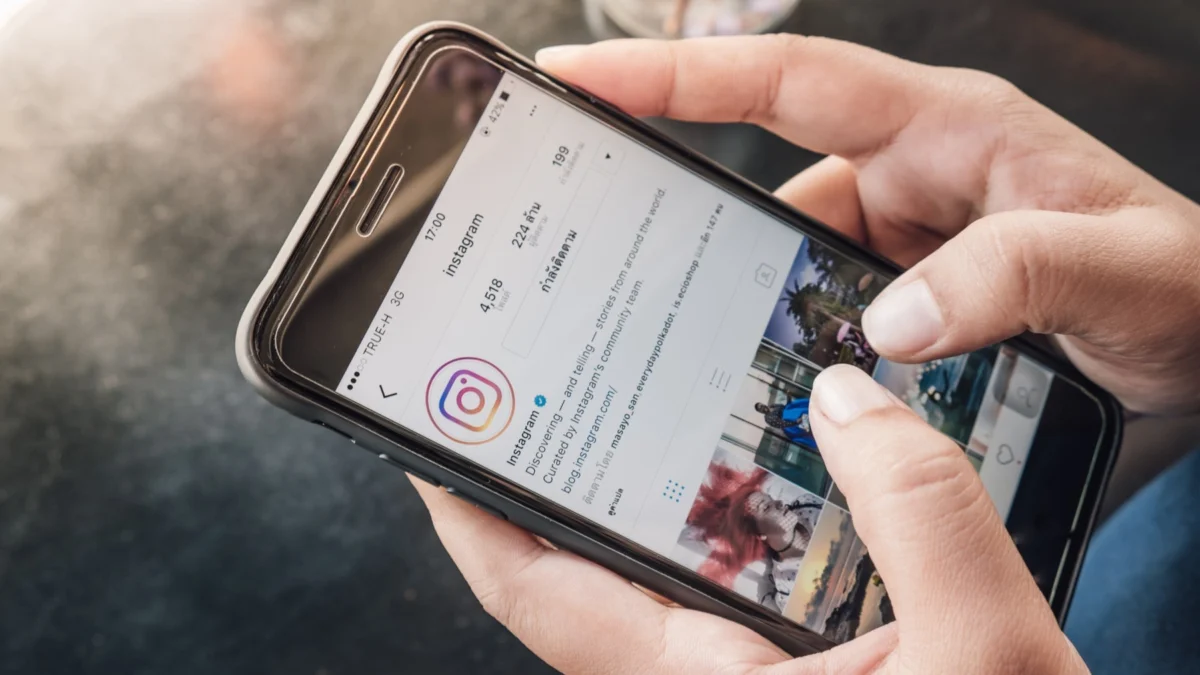
Nearly fifteen years after affiliate links became a foundational element of influencer marketing, Meta, the parent company of Instagram, is finally integrating native affiliate commission capabilities directly into its platform. This strategic move, allowing creators to earn directly from product tags within the app, signifies a significant shift in Instagram’s approach to influencer monetization. However, the social media giant faces a crowded marketplace of established influencer monetization platforms, presenting a formidable challenge to achieving widespread adoption among its vast creator community.
The integration of affiliate marketing on Instagram has been a long-anticipated development. For years, influencers have relied on third-party tools and external links to monetize their content, often navigating complex tracking mechanisms and disparate payment systems. This new feature aims to streamline the process, offering creators a more direct and seamless way to earn revenue from product recommendations. The implications of this shift are far-reaching, potentially reshaping the dynamics between brands, creators, and consumers on the platform.
A Long Road to Native Monetization
The journey to Instagram’s native affiliate offering has been a gradual one, marked by years of platform evolution and increasing pressure from creators and brands alike.
-
Early Days of Influencer Marketing (Pre-2010s): Before the widespread adoption of social media, product recommendations were primarily driven by traditional advertising and word-of-mouth. Affiliate marketing existed in nascent forms, largely confined to blogs and dedicated e-commerce websites.
-
The Rise of Social Media and Influencers (Early 2010s onwards): As platforms like Instagram gained traction, brands recognized the immense potential of leveraging individual users with significant followings to promote their products. Initially, this involved direct partnerships, sponsored posts, and gifted products.
-
Emergence of Third-Party Affiliate Tools (Mid-2010s): The growing demand for measurable results and streamlined affiliate management led to the proliferation of third-party platforms. Services like LTK (formerly rewardStyle), ShopStyle Collective, and Amazon Associates became indispensable tools for influencers seeking to generate income from their recommendations. These platforms facilitated link generation, sales tracking, and commission payouts, becoming the de facto standard for influencer affiliate marketing.
-
Instagram’s Gradual Monetization Efforts: Instagram, while benefiting immensely from influencer-driven commerce, was relatively slow to offer direct monetization tools for creators beyond basic advertising revenue sharing in some markets. Features like shoppable posts and product tags allowed brands to showcase products and link to their own e-commerce sites, but the direct commission aspect remained largely outside the platform’s native ecosystem.
-
The Announcement of Native Affiliate Tools (Present): The recent unveiling of Instagram’s in-app product tagging for affiliate commissions represents a significant pivot. While details regarding the specific commission structures and the full rollout timeline are still emerging, the core functionality promises to simplify the influencer marketing funnel.
Bridging the Gap: How Instagram’s Affiliate Program Works
The new feature allows creators to tag products within their posts and Stories, with these tags functioning as affiliate links. When a follower clicks on a tagged product and makes a purchase, the creator earns a commission. This directly integrates the monetization aspect into the content creation workflow, a significant departure from the previous reliance on external links and third-party dashboards.
This development is poised to address several long-standing pain points for influencers:
- Simplified Workflow: Creators can now directly link products within their content, eliminating the need to copy and paste external affiliate links or direct followers to separate platforms.
- Enhanced Transparency and Tracking: The in-app integration is expected to offer more robust and transparent tracking of sales and commissions, providing creators with clearer insights into their earnings.
- Potential for Increased Conversion Rates: By reducing the friction in the purchasing process, native affiliate links may lead to higher conversion rates as users can complete their transactions with fewer steps.
However, the success of this initiative hinges on several factors, most notably the attractiveness of the commission rates offered and the ease with which brands will integrate their products into this new system.
The Competitive Landscape: A Crowded Arena
Instagram’s entry into the native affiliate marketing space does not occur in a vacuum. The market is already saturated with well-established platforms that have built robust ecosystems and loyal user bases over many years.
-
LTK (formerly rewardStyle): A dominant player in the fashion and lifestyle influencer marketing space, LTK has a long-standing relationship with many top-tier influencers and a comprehensive network of retail partners. Their sophisticated analytics and brand relationships are a significant competitive advantage.
-
ShopStyle Collective: Another established platform, ShopStyle Collective offers similar services, providing influencers with tools to curate product selections and earn commissions.
-
Amazon Associates: As the world’s largest online retailer, Amazon’s affiliate program is a ubiquitous option for many creators, particularly those whose content aligns with a wide range of product categories available on the platform.
-
Creator-Specific Monetization Platforms: Beyond affiliate marketing, a plethora of platforms offer diverse monetization avenues for creators, including direct fan support (e.g., Patreon), brand collaboration marketplaces (e.g., Grin, AspireIQ), and advertising revenue sharing (e.g., YouTube Partner Program).
For Instagram to effectively compete, it needs to offer a compelling value proposition that surpasses these existing solutions. This includes competitive commission percentages, user-friendly interface, and seamless integration with brands’ existing e-commerce strategies.
Supporting Data and Industry Trends
The global influencer marketing industry has experienced explosive growth, underscoring the demand for effective monetization strategies.
-
Market Size: Industry reports consistently forecast substantial growth in the influencer marketing sector. For instance, Statista projects the global influencer marketing market to reach approximately $21.1 billion in 2023 and continue its upward trajectory.
-
Creator Economy Growth: The burgeoning creator economy, encompassing individuals who monetize their online content and influence, is a testament to the financial viability of digital content creation. Many creators view affiliate marketing as a crucial component of their diversified income streams.
-
E-commerce Integration: The increasing convergence of social media and e-commerce, often termed "social commerce," highlights the natural progression towards integrated shopping experiences within social platforms. Instagram’s move aligns perfectly with this trend.
-
Brand Investment: Brands are increasingly allocating significant portions of their marketing budgets to influencer collaborations, seeking to leverage the trust and authenticity that influencers have cultivated with their audiences. Data from eMarketer suggests that brands are willing to invest heavily in influencer campaigns that demonstrate a clear return on investment.
Potential Implications and Expert Analysis
The introduction of native affiliate commissions on Instagram carries several significant implications for the fashion industry and the broader creator economy:
-
Democratization of Monetization: This feature could potentially lower the barrier to entry for emerging creators, providing them with a more accessible pathway to earning income from their content without needing to secure sponsorships or build complex affiliate networks.
-
Shift in Influencer Strategy: Influencers may increasingly focus on creating content that is inherently shoppable, weaving product recommendations seamlessly into their narratives rather than relying on separate, overt advertising.
-
Brand-Platform Relationships: This move could deepen the symbiotic relationship between brands and Instagram. Brands will likely see increased opportunities for direct sales driven by influencer activity, while Instagram benefits from enhanced engagement and a more robust e-commerce ecosystem.
-
Competition for Creator Attention: As mentioned, Instagram will need to demonstrate its superiority over existing platforms. If the commission rates are not competitive, or if the platform proves difficult for brands to integrate with, creators may continue to rely on their established third-party tools.
-
Data Privacy and Transparency Concerns: As with any new data-driven feature, questions around data privacy and transparency for both creators and consumers will likely arise. Clear communication and robust data protection policies will be crucial for building trust.
Industry analysts suggest that Instagram’s success will depend on its ability to foster a balanced ecosystem. "Instagram has a massive advantage in terms of user base and engagement, but it’s entering a mature market," noted Sarah Chen, a digital marketing strategist. "The key will be offering compelling incentives for both creators and brands. If they can make it simpler, more lucrative, and more transparent than existing solutions, they stand a strong chance of capturing a significant share of the affiliate marketing pie."
Navigating the Future
While Meta’s move to incorporate native affiliate commissions into Instagram is a logical step in the evolution of social commerce, the platform faces a significant challenge in displacing entrenched competitors. The success of this initiative will ultimately be determined by its ability to offer a superior, more streamlined, and more lucrative experience for both creators and brands. As the creator economy continues to mature, platforms that can effectively facilitate monetization while fostering authentic connections between brands, creators, and consumers will be best positioned for long-term success. The coming months will be critical in observing how quickly creators adopt this new feature and how effectively brands leverage it to drive sales and build stronger relationships within the Instagram ecosystem.