Layla Zulfa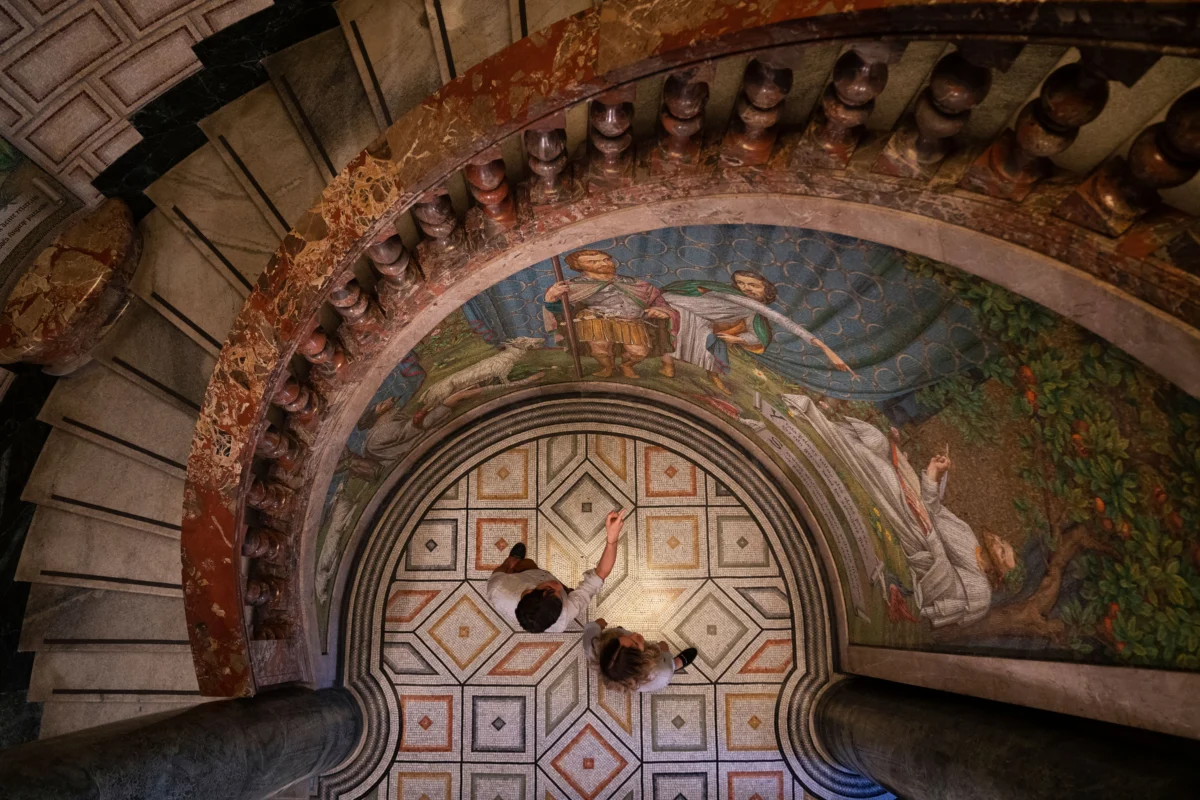
Every April, the city of Milan undergoes a profound transformation as it hosts Salone del Mobile, the world’s premier furniture and design trade fair. This annual event, centered at the expansive Rho Fiera fairgrounds, serves as the primary global platform for the "Made in Italy" brand and an essential barometer for international interior design trends. While the fair itself hosts nearly 2,000 exhibitors and attracts hundreds of thousands of industry professionals, the event’s influence extends far beyond the exhibition halls. The city-wide program, known as Fuorisalone, facilitates a week-long takeover of Milan’s historic palaces, industrial warehouses, and private courtyards, effectively turning the entire metropolis into a decentralized gallery of innovation.
The Evolution and Scale of a Design Global Hub
The Salone del Mobile was established in 1961 as a vehicle to promote Italian furniture exports. In the decades since, it has evolved from a traditional trade exhibition into a multifaceted cultural festival. According to data from the event organizers, recent editions have seen attendance figures exceeding 300,000 visitors from over 130 countries. The economic impact on the city is substantial; Milan’s hospitality, retail, and transportation sectors report their highest annual revenues during this period, with hotel occupancy rates frequently reaching 95% to 100% despite significant seasonal price adjustments.
%20Veneranda%20Biblioteca%20Ambrosiana%20Ph.%20Andrea%20Pignagnoli%20(1).jpeg)
The 2024 and 2025 iterations of the fair have introduced several structural changes to improve the visitor experience and reflect shifting market demands. One notable addition is "Raritas," a dedicated section for collectible design, which highlights the growing intersection between fine art and functional furniture. Nina Yashar, founder of the renowned Nilufar Gallery and a long-time participant in the fair, notes that the introduction of such segments reflects a broader industry move toward limited-edition, artisanal craftsmanship.
A Chronology of the Milanese Design Experience
For seasoned participants, Milan Design Week begins well before the official opening of the Rho Fiera gates. The timeline of the week is critical for navigating the sheer volume of content available.
Pre-Fair Preparation and Sunday Previews
The Sunday preceding the official launch is traditionally reserved for press previews and private viewings. This period allows designers and journalists to access major installations in neighborhoods like Brera and Cinque Vie before the general public descends. Industry veterans, including designer J.J. Martin, suggest that this early arrival is essential for those looking to engage in high-level networking before the pace becomes relentless.

Mid-Week: The Peak of Fuorisalone
By Tuesday and Wednesday, the city’s creative energy reaches its zenith. The focus shifts toward the historical center, where the "Cinque Vie" district—a medieval quarter of artisans—opens its private palaces to the public. Jewelry designer Madina Visconti observes that this is one of the rare times when Milan’s "hidden" architecture becomes visible, as families who have inhabited these palazzos for generations allow brands to stage installations within their courtyards.
The Evening Rituals: Aperitivo and Networking
The social infrastructure of Milan Design Week is as vital as the exhibitions themselves. Between 6:00 PM and 9:00 PM, the ritual of the aperitivo serves as the primary networking tool. Venues such as Bar Basso, famous for the Negroni Sbagliato, become the unofficial headquarters for the global design community. Collaborative deals and creative partnerships are frequently brokered over plates of pasta at institutions like Ristorante Da Giacomo or during late-night meetings at the Portrait Milano’s Rumore bar.
Geographic Strategy: Mapping the Design Districts
The decentralized nature of Fuorisalone requires a strategic approach to geography. Each district offers a distinct aesthetic and professional focus.

Brera Design District
As Milan’s resident design district, Brera remains the most prestigious area for showroom launches. It is home to the Pinacoteca di Brera and attracts high-end brands like Dedar. The district’s narrow streets, such as Via Fiori Chiari, are dense with permanent design showrooms and temporary pop-ups.
Cinque Vie and the Historical Center
This area is characterized by a blend of history and avant-garde experimentation. Notable sites include the Veneranda Biblioteca Ambrosiana, which houses Leonardo da Vinci’s Codex Atlanticus. Artist Osanna Visconti highlights the neighborhood’s ability to juxtapose 16th-century architecture with contemporary design.
Isola and Porta Venezia
These districts have emerged as hubs for younger, independent designers. Isola, in particular, has seen a surge in "cute new shops and bars," according to designer Margherita Maccapani Missoni, reflecting the neighborhood’s gentrification and its appeal to a more diverse, experimental demographic.

The Role of House Museums in Cultural Diplomacy
Milan’s identity as a design capital is deeply rooted in its residential history. House museums play a pivotal role during Design Week, providing context for the city’s architectural evolution. Villa Necchi Campiglio, a 1935 residence designed by Piero Portaluppi, is frequently cited by insiders as a quintessential example of Milanese rationalism. Other essential stops include the Museo Poldi Pezzoli and the Bagatti Valsecchi Museum, which display private collections in authentic domestic settings.
For visitors, these sites offer a respite from the commercial intensity of the trade fair. Martina Mondadori, founder of Cabana Magazine, notes that walking through these open courtyards and gardens provides a sense of "Milanese-ness" that cannot be replicated in a convention center. This sentiment is echoed by many who view the week as an act of cultural diplomacy, where the city shares its private heritage with the world.
Hospitality and the Logistics of Design Tourism
The logistical demands of Milan Design Week are significant. Industry experts recommend booking accommodations up to a year in advance. The Grand Hotel et de Milan, a historic landmark since 1863, remains a favorite for its proximity to the fashion district and its classical elegance. Newer entries, such as the Portrait Milano—housed in one of Europe’s oldest seminaries—represent the city’s ability to repurpose historic structures for modern luxury.

Practicality in attire is another factor emphasized by locals. Given the extensive walking required, "day-to-night" looks that prioritize comfort without sacrificing style are the standard. Madina Visconti advises the use of stylish sneakers and the inclusion of a tote bag for collecting the catalogs and business cards that are ubiquitous during the week.
Economic Implications and Industry Reactions
The success of Milan Design Week is a critical indicator of the health of the global furniture market, which is valued at over $500 billion. For Italian manufacturers, the week is the most important sales window of the year. The presence of international buyers from North America, Asia, and the Middle East ensures that the trends established in Milan dictate retail inventory globally for the following 12 to 18 months.
However, the event is not without its challenges. The environmental impact of temporary installations and the "over-tourism" experienced by residents are recurring themes in local discourse. In response, many exhibitors are moving toward modular, reusable booth designs and sustainable materials. The Triennale Milano, a major cultural institution, has been at the forefront of this discussion, hosting exhibitions that critique the consumption-driven nature of the industry while celebrating its creative spirit.

Broader Impact and Future Outlook
As the design world becomes increasingly digital, the continued relevance of a physical, city-wide event like Salone del Mobile is frequently debated. Yet, the consensus among participants is that the "unexpected encounters" described by Nina Yashar are impossible to replicate online. The fair functions as a massive physical social network, where the density of talent and capital creates a unique ecosystem.
The integration of technology into furniture, the rise of "well-being" design, and the blurring of lines between hospitality and residential spaces are the current frontiers being explored. The Portrait Milano’s "Longevity Suite" spa, which combines biohacking with holistic wellness, is an example of how Milanese design is expanding into the realm of lifestyle and biological optimization.
In conclusion, Milan Design Week is far more than a furniture fair; it is a complex intersection of trade, history, and social ritual. By blending the commercial rigor of the Rho Fiera with the historical charm of the Fuorisalone, Milan maintains its position as the undisputed capital of global design. For first-time visitors and industry veterans alike, the advice remains consistent: focus on one area per day, embrace the serendipity of the city’s hidden courtyards, and recognize that the most significant deals are often struck not in a booth, but over a negroni in a crowded Milanese bar.