Jono Maryono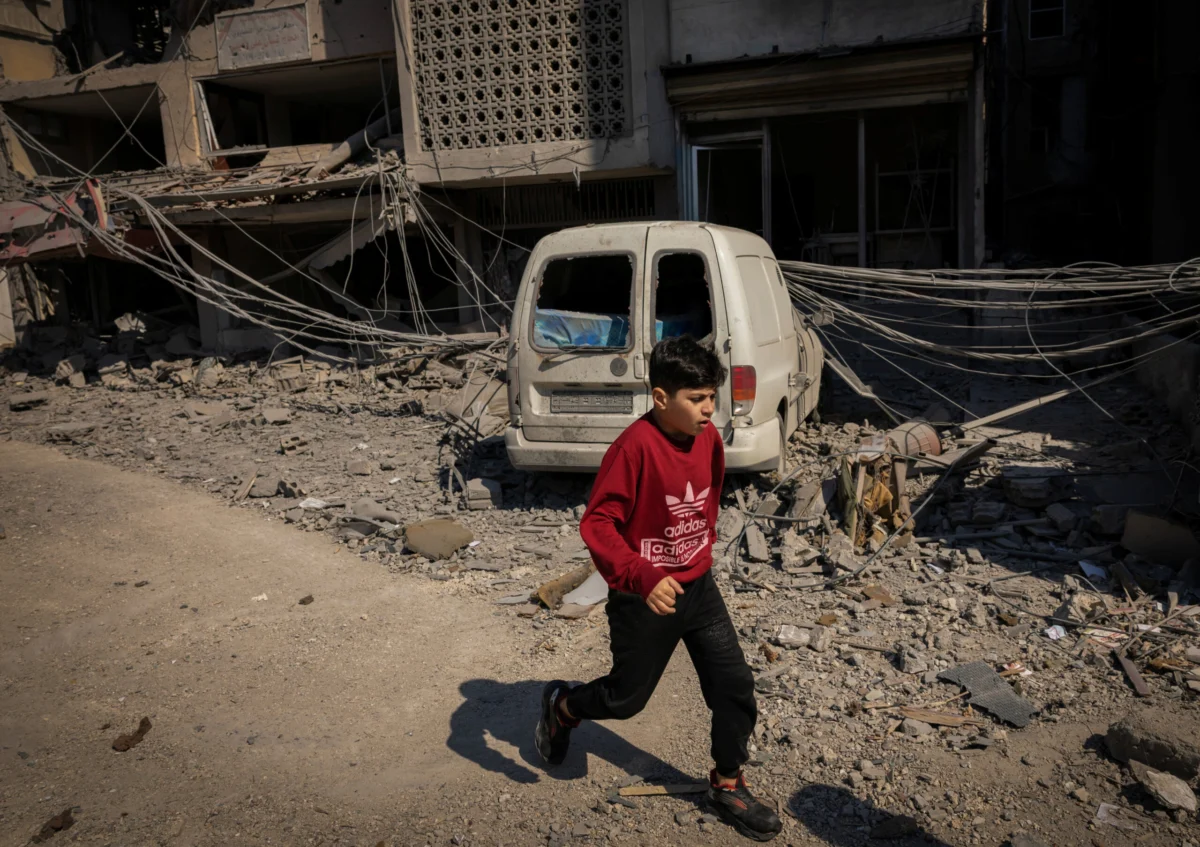
United Nations High Commissioner for Human Rights, Volker Turk, has issued a stark condemnation of Israel’s recent attacks on Lebanon, describing the assaults as "horrific" and expressing profound concern that they have emerged so soon after a significant, albeit fragile, US-Iran-brokered ceasefire announcement. The remarks from the UN’s top human rights official underscore the precariousness of the recent diplomatic efforts and highlight the devastating humanitarian toll of escalating regional tensions.
The aerial bombardments, which have reportedly struck several locations across southern Lebanon, have resulted in significant destruction and civilian casualties, according to preliminary reports. Images emerging from the affected areas depict widespread damage to residential buildings and infrastructure, with children seen navigating the rubble of what were once their homes. The timing of these strikes, immediately following a period of intense diplomatic activity aimed at de-escalating the broader regional conflict, has amplified international alarm and raised serious questions about the commitment of all parties to the newly established de-escalation framework.
Escalation Amidst Diplomatic Breakthrough
The UN Human Rights Chief’s statement arrives at a critical juncture. For weeks, international mediators, spearheaded by the United States and with crucial indirect engagement from Iran, have been working assiduously to forge a path towards a cessation of hostilities in the wider Middle East. This diplomatic push gained significant traction with reports of a tentative agreement for a ceasefire, aimed at halting the relentless cycle of violence that has engulfed the region and threatened to draw in further state and non-state actors.
However, the recent Israeli strikes on Lebanon have cast a dark shadow over these diplomatic achievements. Turk’s use of the term "horrific" signals the gravity with which the UN views these actions, particularly in light of the anticipated impact on civilian populations and the potential to unravel the hard-won progress made in de-escalation talks. The attacks suggest that either the ceasefire was not universally observed or that certain actors remain committed to a path of military action despite diplomatic overtures.
Background to the Conflict
The current escalation is deeply rooted in a complex and protracted geopolitical struggle. Tensions have been simmering for years, exacerbated by proxy conflicts, regional power plays, and the ongoing Israeli-Palestinian conflict. The recent surge in violence has seen increased exchanges of fire across the Israel-Lebanon border, primarily between Israeli forces and Hezbollah, a powerful Lebanese Shia Islamist political party and militant group.
Hezbollah, which possesses a substantial arsenal of rockets and missiles, has been a significant player in the regional security landscape, often acting as a proxy force for Iran. Its involvement in retaliatory strikes against Israel has been a consistent feature of the ongoing conflict, leading to a dangerous tit-for-tat escalation. Israel, in turn, has maintained a policy of responding forcefully to any attacks originating from Lebanese territory, often citing security concerns and the need to neutralize threats to its northern population centers.
The impact of these exchanges on civilian populations in both countries has been devastating. Displacement, destruction of homes and livelihoods, and loss of life have become tragically common. The international community has repeatedly called for restraint and adherence to international humanitarian law, emphasizing the need to protect civilians and ensure access to essential services.
Chronology of Recent Events
While specific details of the latest Israeli strikes are still emerging, they follow a pattern of heightened cross-border activity. Reports indicate that the attacks occurred in the immediate aftermath of the US-Iran ceasefire announcement, suggesting a potential disregard for the diplomatic momentum or a deliberate attempt to undermine it.
- Preceding Weeks: A period of intense diplomatic negotiations, involving key regional and international players, focused on brokering a comprehensive ceasefire to de-escalate the wider Middle East conflict.
- Recent Announcement: Reports emerge of a tentative agreement for a ceasefire, raising hopes for a reduction in hostilities across the region.
- Immediate Aftermath: Israeli forces launch significant attacks on targets within Lebanon.
- UN Reaction: The UN High Commissioner for Human Rights, Volker Turk, issues a strong condemnation, labeling the attacks "horrific" and expressing concern over their timing.
This rapid sequence of events highlights the volatile nature of the region and the challenges faced by diplomatic efforts in achieving lasting peace.
Supporting Data and Humanitarian Impact
The human cost of the ongoing conflict is a stark reminder of the urgent need for de-escalation. While precise casualty figures for the latest strikes are still being compiled, previous rounds of hostilities have resulted in thousands of deaths and injuries, predominantly among civilians.
- Displacement: Millions have been displaced from their homes on both sides of the Israel-Lebanon border, creating a significant humanitarian crisis. Families are forced to flee their villages and towns, seeking refuge in makeshift camps or with relatives in safer areas.
- Infrastructure Damage: Critical infrastructure, including homes, schools, hospitals, and power grids, has sustained extensive damage, hindering essential services and long-term recovery efforts. The economic impact on affected communities is profound, with livelihoods destroyed and reconstruction costs mounting.
- Civilian Casualties: Reports from organizations like the UN and various NGOs consistently highlight the disproportionate impact of these conflicts on civilian populations, including women and children. The psychological toll on those who have experienced violence and displacement is also a significant concern, often leading to long-term trauma.
The continued attacks, particularly in civilian areas, raise serious questions about adherence to international humanitarian law, including the principles of distinction and proportionality. The UN Human Rights Office, along with other international bodies, has a mandate to monitor and report on such violations.
Official Responses and International Reactions
The condemnation from UN Human Rights Chief Volker Turk is a significant development, signaling a high-level concern within the international body. His statement is likely to be echoed by other UN agencies and member states, further pressuring all parties to adhere to any agreed-upon de-escalation framework.
- UN High Commissioner for Human Rights, Volker Turk: Described the attacks as "horrific" and expressed concern over their timing following the US-Iran ceasefire announcement. This indicates a strong stance from the UN, emphasizing accountability and the imperative of protecting civilians.
- Hezbollah: While official statements from Hezbollah regarding the specific timing of the ceasefire announcement and subsequent Israeli strikes are still awaited, the group has historically responded to Israeli military actions with retaliatory measures. Any response would likely further escalate the tit-for-tat exchanges.
- Israel: The Israeli government typically justifies its military actions as necessary for self-defense against perceived threats. Official statements are expected to reiterate these security concerns and the right to respond to attacks originating from Lebanese territory.
- United States: As a key mediator in the ceasefire talks, the US is likely to express disappointment and renewed calls for restraint from all parties. Washington will be keen to prevent the fragile diplomatic progress from unraveling.
- Iran: As a significant regional player and backer of Hezbollah, Iran’s reaction will be closely watched. Tehran’s response could influence Hezbollah’s actions and the broader diplomatic landscape.
The international community faces a critical challenge in ensuring that the fragile ceasefire holds and that diplomatic channels remain open. The effectiveness of these efforts will depend on the willingness of all involved parties to prioritize de-escalation and adhere to international norms.
Broader Impact and Implications
The recent Israeli attacks on Lebanon, occurring so soon after a promising ceasefire announcement, carry significant implications for regional stability and the broader international diplomatic effort.
- Undermining Diplomatic Efforts: The strikes have the potential to severely damage the credibility of the diplomatic process and embolden hardliners on all sides who may view military action as the only viable option. This could lead to a renewed cycle of escalation, making future negotiations even more challenging.
- Increased Risk of Wider Conflict: The tit-for-tat exchanges between Israel and Hezbollah have the potential to draw in other regional actors, particularly Iran. A full-blown regional conflict would have catastrophic humanitarian and economic consequences, not only for the Middle East but also for the global economy.
- Humanitarian Crisis Deepens: The continued violence exacerbates the already dire humanitarian situation in Lebanon and other affected areas. Displacement, destruction, and loss of life will continue to mount, placing immense strain on already fragile infrastructure and resources.
- Erosion of International Law: If attacks continue to result in significant civilian casualties and destruction without adequate accountability, it could further erode respect for international humanitarian law and human rights principles, setting dangerous precedents for future conflicts.
The UN Human Rights Chief’s strong condemnation serves as a crucial reminder of the international community’s responsibility to uphold human rights and pursue peaceful resolutions. The coming days and weeks will be critical in determining whether the fragile hope for de-escalation can be salvaged or if the region is destined for further bloodshed. The international community must redouble its diplomatic efforts, exert pressure on all parties to uphold their commitments, and ensure that the devastating human cost of conflict remains at the forefront of all considerations.