Danny Garick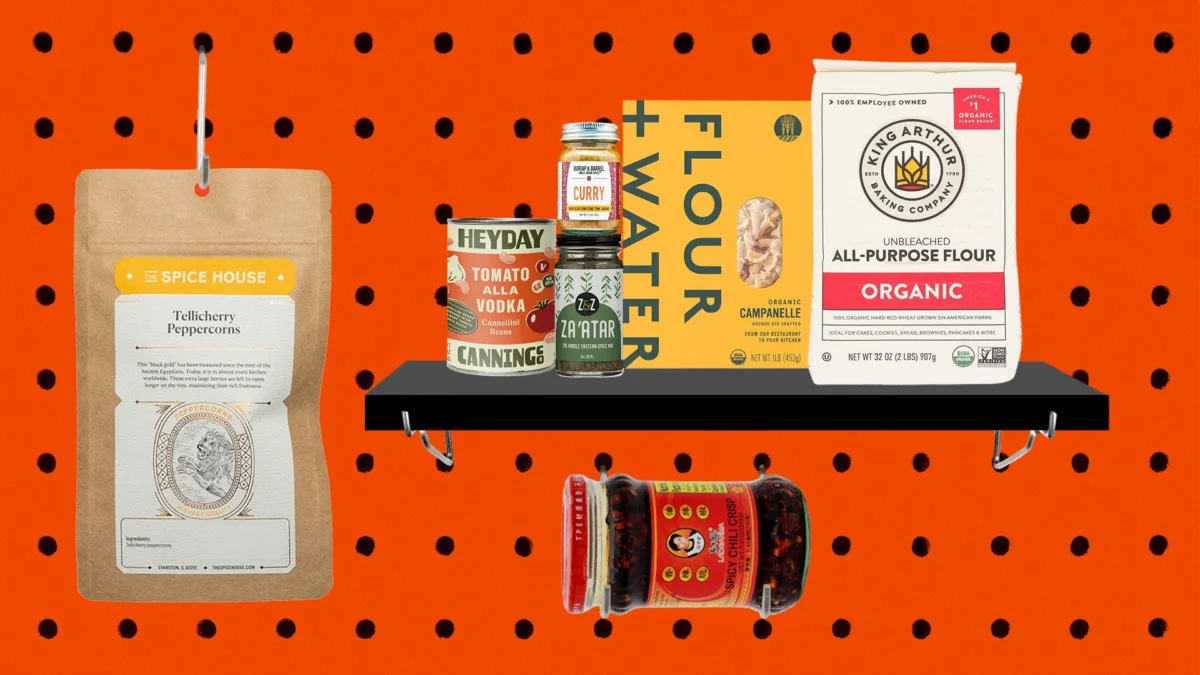
Establishing a functional kitchen from a state of total depletion is a logistical challenge that many consumers face following a residential move, a lifestyle transition toward home-based meal preparation, or a comprehensive seasonal cleaning. While the modern marketplace offers an overwhelming array of niche consumer packaged goods, culinary experts suggest that a highly effective "starter pantry" relies on a curated selection of versatile staples rather than an exhaustive inventory of specialty items. This systematic approach to kitchen organization emphasizes the integration of dry goods, flavor enhancers, and long-term storage solutions to ensure that home cooks can produce diverse meals with minimal additional grocery requirements.
The process of building a pantry from the ground up requires both a strategic mindset and an understanding of culinary foundations. According to Caroline Chambers, a prominent cookbook author and weeknight cooking specialist, the most efficient method for customization is to identify a household’s five most-frequently prepared recipes. By stocking the specific grains, pastas, legumes, and spices required for these dishes, consumers can limit their weekly shopping trips to fresh proteins and produce. This "recipe-first" methodology serves as a hedge against the accumulation of "pantry clutter"—those specialized ingredients purchased for a single use that eventually expire, contributing to the estimated $408 billion in food wasted annually in the United States.
The Foundation of Dry Goods and Grain Management
The structural core of any pantry consists of shelf-stable dry goods. However, the acquisition of these items must be paired with proper storage protocols to prevent spoilage and infestation. Industry data indicates that pantry pests, such as Indian meal moths and grain beetles, are a common deterrent to maintaining large inventories of dry goods. Experts recommend decanting all grains, flours, and sugars into airtight, sealed containers immediately upon purchase. This practice not only extends shelf life but also provides a clear visual indicator of inventory levels, reducing the likelihood of over-purchasing.

In the category of grains, versatility is paramount. Rather than stocking dozens of varieties, a starter kit should prioritize high-utility items such as long-grain white rice and two distinct pasta shapes—typically one long (such as bucatini or spaghetti) and one short (such as rigatoni or campanelle). Modern consumer trends have also seen a rise in "nutrient-dense" pantry alternatives, such as lupini-bean-based pastas or ancient grains, which allow for quick, protein-rich meals on evenings when fresh meat or fish is unavailable.
The Chemistry of Flavor: Spices and Seasoning Essentials
Spices represent one of the most significant investments in a new kitchen, yet they are often the most mismanaged. The volatile oils responsible for the flavor and aroma of spices degrade over time, particularly when exposed to light and heat. Consequently, culinary professionals advise against the purchase of large, pre-assembled spice racks, which often contain fillers or items that will go unused. Instead, a targeted collection of ten to twelve essential spices—including cumin, smoked paprika, garlic powder, and dried oregano—is recommended.
The selection of salt and pepper is equally critical. In professional test kitchens, kosher salt, specifically Diamond Crystal, is the industry standard due to its flake size and ease of "pinching," which allows for greater control over seasoning. For pepper, the shift from pre-ground to whole tellicherry peppercorns used in a dedicated grinder is a fundamental upgrade for the home cook. The chemical compounds in black pepper, such as piperine, begin to oxidize and lose potency immediately after grinding; thus, fresh grinding is essential for achieving the intended flavor profile of a dish.
Baking Staples and Chemical Leaveners
Even for households that do not identify as "baking-centric," a basic inventory of flour and sugar is necessary for general cooking tasks, such as thickening sauces via a roux or balancing the acidity in a tomato-based ragu. All-purpose flour remains the gold standard for versatility, though consumers are increasingly opting for organic or artisan-milled varieties.

A critical but often overlooked aspect of pantry maintenance is the monitoring of chemical leaveners. Baking powder and baking soda have finite shelf lives, typically losing their potency after six to twelve months. Because these ingredients are essential for the structural integrity of baked goods, experts suggest a biannual replacement cycle. This ensures that the chemical reaction required for "lift" in muffins, pancakes, or breads remains reliable.
Liquid Gold: Oils, Vinegars, and Umami Enhancers
The "wet" section of the pantry—comprising oils, vinegars, and liquid seasonings—serves as the primary source of fat and acidity in cooking. For a starter kit, the focus should remain on a high-quality extra virgin olive oil for finishing and low-heat cooking, complemented by a neutral oil with a high smoke point (such as avocado or grapeseed oil) for searing and frying.
Acidity management is achieved through a tiered selection of vinegars. A sharp, fruity option like apple cider vinegar or a specialized "living" vinegar provides brightness to salads, while a syrupy, aged balsamic offers depth to marinades and reductions. Additionally, a standard bottle of white distilled vinegar is a dual-purpose essential, utilized both in culinary applications and as a non-toxic cleaning agent for kitchen surfaces.
The concept of "umami"—the fifth taste, characterized by savoriness—is bolstered by fermented condiments. Soy sauce is a non-negotiable staple, providing salt and depth to a wide range of cuisines. For added complexity, test kitchen editors recommend oyster sauce, which offers an oceanic, caramelized edge that balances salt and sugar. The rise of "chili crisp" as a mainstream condiment also reflects a broader consumer shift toward textured, high-impact flavor additives that can instantly elevate simple starch-based meals.

The Strategy of Canned and Shelf-Stable Proteins
Canned goods act as the "insurance policy" of a well-stocked kitchen. The modern "tinned fish" movement has transformed canned seafood from a budget staple into a premium culinary category. High-quality preserved sardines, mackerel, and salmon provide immediate, shelf-stable protein options that require zero preparation.
Similarly, the evolution of canned beans has moved toward "saucy" or pre-seasoned varieties. While dried beans are more cost-effective, the convenience of high-quality canned legumes allows for the assembly of a meal in under fifteen minutes. When combined with other long-life staples like coconut milk and curry pastes, these items form the basis of "pantry meals"—dishes that can be prepared entirely from shelf-stable inventory during inclement weather or when fresh grocery supplies are low.
Optimization of the Fridge and Freezer
A comprehensive pantry strategy extends into cold storage. One of the most significant advancements in modern home cooking is the widespread adoption of concentrated bouillon bases over boxed stocks. Concentrated bases, such as Better Than Bouillon, offer a superior flavor profile and occupy significantly less space than multiple liters of liquid broth. Furthermore, these bases can be used as a "seasoning paste" to add intensity to sauces and pasta water.
The freezer should be viewed as a tool for waste reduction and flavor preservation. Fresh bread, which is highly susceptible to mold in humid kitchen environments, should be sliced and frozen immediately to maintain its quality. Additionally, the use of frozen aromatics—such as pre-portioned cubes of garlic and ginger—allows home cooks to bypass the labor-intensive tasks of peeling and mincing during weeknight meal preparation.

Economic and Lifestyle Implications of the Starter Pantry
The systematic building of a pantry represents a shift in consumer behavior that prioritizes long-term efficiency over short-term convenience. In an era of fluctuating food prices and supply chain inconsistencies, a robust starter pantry provides a buffer against market volatility. By investing in high-quality, versatile staples, consumers reduce their dependency on expensive processed foods and takeout services.
Furthermore, a well-organized pantry encourages culinary experimentation. When the foundational elements of a meal—the grains, fats, acids, and seasonings—are already present, the barrier to entry for trying new recipes is significantly lowered. This foundational approach to kitchen management not only simplifies the daily logistics of feeding a household but also fosters a more sustainable and economically sound relationship with food. As the "Starter Kit" philosophy suggests, the goal is not to own every product available, but to own the right products to ensure that any meal is only a few minutes away from completion.