
 Ronny Sianturi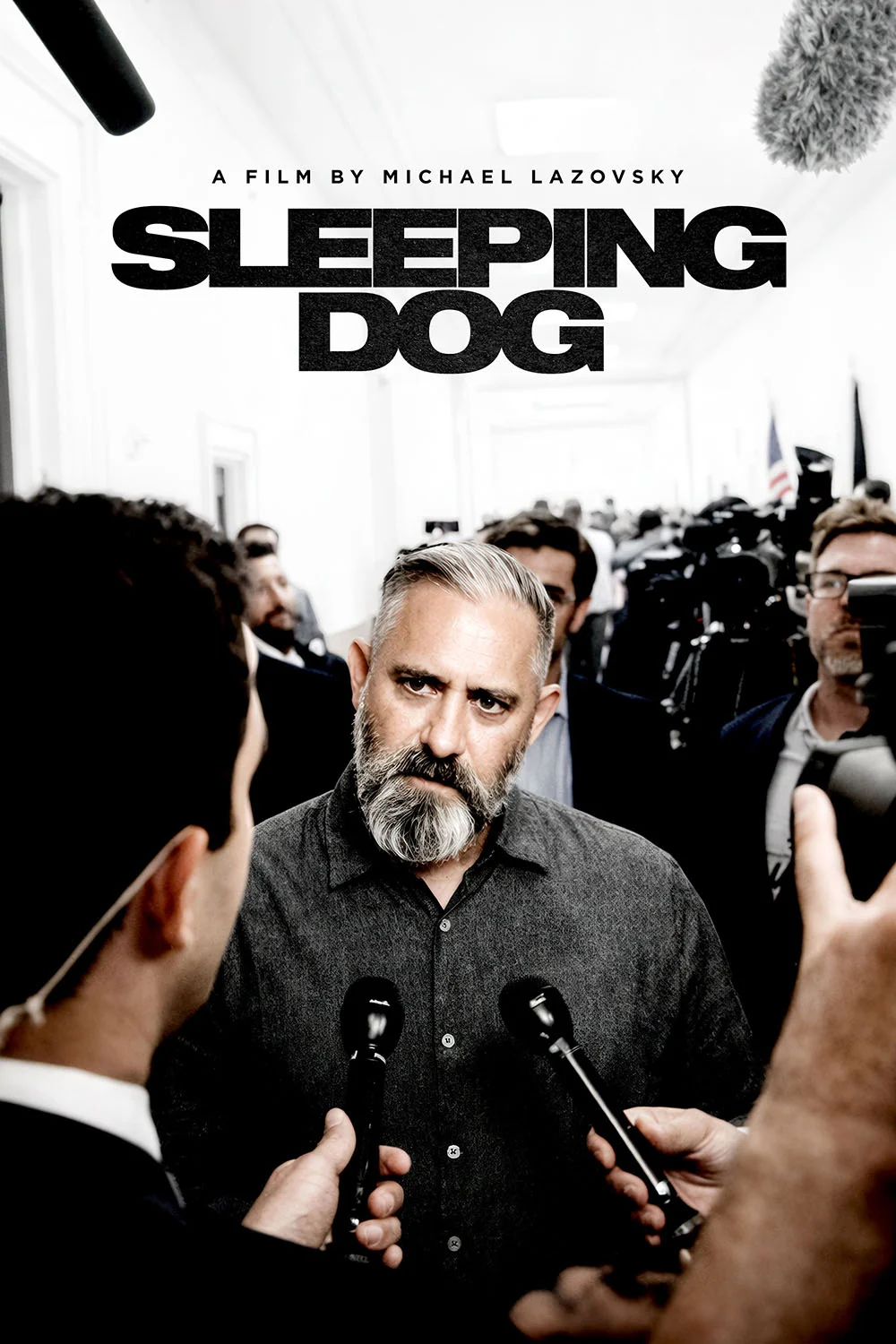
Falcon Scout Media has secured the North American distribution rights for the documentary feature Sleeping Dog, a deep dive into the life and work of filmmaker and ufologist Jeremy Corbell. The film is slated for a dual theatrical and digital release in mid-May, promising to bring Corbell’s decades-long quest for transparency on unexplained aerial phenomena to a wider audience. Directed by Michael Lazovsky, Sleeping Dog chronicles the extraordinary trajectory of Corbell, a figure who transitioned from the world of mixed martial arts to become a prominent journalist at the forefront of the movement to disclose information regarding unidentified anomalous phenomena (UAP).
Corbell, already recognized for his 2018 documentary Bob Lazar: Area 51 & Flying Saucers, is known for his persistent investigations into UFOs and his collaborations with investigative reporter George Knapp. Together, they have been instrumental in obtaining and releasing classified UAP footage, and Corbell has actively engaged with governmental bodies, including providing briefings to members of Congress. The documentary aims to illuminate the complex and often challenging journey Corbell has undertaken to bring his findings into the public sphere, highlighting his dedication to fostering greater transparency around a subject that has long been shrouded in secrecy and skepticism.
Decades in the Making: A Journey from the Octagon to Disclosure
Sleeping Dog represents a culmination of years of work, not only for Corbell in his pursuit of disclosure but also for Director Michael Lazovsky, who has spent a significant period documenting Corbell’s efforts. The film traces Corbell’s unconventional path, from his early days as a mixed martial artist to his current role as a central figure in the burgeoning movement advocating for the public disclosure of UAP-related information. This transition underscores a unique perspective that Lazovsky believes will resonate with viewers, offering a narrative arc that is both personal and profoundly impactful on a global scale.
The documentary’s production timeline stretches back over many years, reflecting the intricate nature of Corbell’s investigations and the sensitive sources he has cultivated. His work has often placed him at the intersection of private research, governmental inquiry, and public perception. By examining his journey, Sleeping Dog seeks to provide a comprehensive look at the challenges inherent in pursuing disclosure, including navigating the complexities of classified information, dealing with potential disinformation, and managing public skepticism.
Unveiling the Unseen: Exclusive Footage and Insider Accounts
A key feature of Sleeping Dog is its presentation of previously unseen footage drawn from Corbell’s extensive early investigations. These archival materials are expected to offer viewers a unique glimpse into the foundational stages of his research, providing visual evidence that has been central to his arguments for greater transparency. The film is further bolstered by a roster of distinguished interviewees, including prominent figures who have direct experience with or deep knowledge of UAP phenomena.
Among the notable individuals featured are astronaut Dr. Edgar Mitchell, a figure who has spoken openly about his own experiences and beliefs regarding extraterrestrial life; Col. John B. Alexander, a retired U.S. Army Colonel and author known for his work in unconventional warfare and his interest in UAPs; John Lear, a former CIA pilot and son of the founder of Learjet; Bob Lazar, whose controversial claims about his work at a secret facility near Area 51 were the subject of Corbell’s earlier documentary; David Grusch, a former intelligence official whose allegations regarding a secret UAP retrieval program have gained significant attention; Edmund Storms, a chemist and physicist who has researched alleged extraterrestrial materials; and Cmdr. David Fravor, a U.S. Navy pilot who famously encountered a UAP off the coast of California in 2004, an event that has been extensively documented and analyzed.
The inclusion of these individuals, each with their distinct perspectives and levels of access, is designed to lend significant weight and credibility to the documentary’s narrative. Their testimonies, combined with the exclusive footage, aim to provide a multifaceted exploration of the UAP phenomenon and the ongoing efforts to understand and acknowledge its implications. The film will delve into the specific obstacles Corbell has encountered in his mission to bring these findings to light, examining the resistance he has faced and the strategies he has employed to overcome it.
Corbell’s Personal Testimony: "The Most Difficult Thing"
In a candid statement regarding the film, Jeremy Corbell expressed the profound personal nature of the documentary. "This is the most difficult thing I have ever allowed people to see, personally," Corbell remarked. This declaration suggests that Sleeping Dog delves into aspects of his life and work that are not only professional but also deeply intimate, potentially exploring the emotional toll and personal sacrifices involved in his persistent pursuit of disclosure. His willingness to share such a personal perspective is likely intended to foster a deeper connection with the audience, humanizing the complex subject matter and highlighting the individual commitment required to challenge established narratives.

The production itself is a collaborative effort. Corbell and Lazovsky serve as producers, with Jim Martin credited as executive producer. The project’s representation by WME’s Lance Klein indicates a significant push for broad distribution and market penetration, signaling confidence in the film’s commercial and cultural potential.
A Resurgent Interest in the Extraterrestrial in Hollywood
The release of Sleeping Dog arrives at a moment of heightened interest in alien life and UFO narratives within the entertainment industry. Hollywood is experiencing a notable surge in projects exploring themes of extraterrestrial contact and disclosure. This trend is exemplified by the commercial success of the Ryan Gosling-led film Project Hail Mary, which has resonated with audiences and critics alike. Furthermore, Steven Spielberg’s upcoming film, Disclosure Day, is anticipated to be a major summer release, signaling a renewed focus on the topic by one of cinema’s most influential directors. Adding to this burgeoning landscape, Ryan Coogler is reportedly spearheading a reboot of the iconic science fiction series The X-Files, further demonstrating a broader industry-wide fascination with the unknown and the possibility of life beyond Earth.
This confluence of cinematic and television projects suggests a cultural shift, where the once fringe topic of UFOs and alien encounters is increasingly being explored on mainstream platforms. The renewed attention from major studios and filmmakers indicates a growing public appetite for such narratives, potentially driven by recent government acknowledgments of UAP phenomena and the increasing availability of declassified information. Sleeping Dog is positioned to capitalize on this zeitgeist, offering a grounded, investigative perspective within a broader cultural moment that appears more open than ever to exploring these profound questions.
Director’s Shock and the Influence of Corbell’s Work
Michael Lazovsky, who previously directed the short film Magdalena, shared his own astonishment at the revelations uncovered during the making of Sleeping Dog. "I believe people will be genuinely shocked, as I was," Lazovsky stated. "I came into this as a complete outsider, and I was shocked. Not only by Jeremy Corbell’s investigative journey – but by the extent to which he has influenced public transparency, and the remarkable level of engagement he receives on a daily basis by intelligence agencies."
Lazovsky’s perspective as an "outsider" is significant, suggesting that the documentary aims to present the information in a way that is accessible and impactful even to those with little prior knowledge of the UAP subject. His surprise at the depth of Corbell’s influence and the level of interaction with intelligence agencies implies that the film will shed light on Corbell’s role as a facilitator of dialogue and information exchange between the public and entities that have historically maintained secrecy. This aspect of the film could be particularly compelling, illustrating how an independent researcher has managed to penetrate established information silos and foster a degree of governmental acknowledgment and engagement.
The documentary’s approach is likely to be analytical and evidence-based, aiming to present Corbell’s findings and the corroborating testimonies in a coherent and compelling manner. The emphasis on "public transparency" suggests that the film will not only explore the existence of UAPs but also the broader societal implications of their potential disclosure, including the impact on scientific understanding, national security, and humanity’s place in the universe.
Broader Implications: A Shifting Paradigm in UAP Discourse
The release of Sleeping Dog arrives at a pivotal moment in the public discourse surrounding Unidentified Anomalous Phenomena. For decades, discussions about UFOs were often relegated to the fringes of society, dismissed as the domain of conspiracy theorists and enthusiasts. However, recent years have witnessed a significant shift, with government agencies in the United States and other nations acknowledging the reality of UAP sightings and initiating formal investigations.
The U.S. Department of Defense established the All-domain Anomaly Resolution Office (AARO) in 2022 to investigate UAP reports. This move, alongside the declassification of pilot testimonies and UAP footage, has lent a new legitimacy to the subject matter. Jeremy Corbell’s work, including his efforts to release military-recorded videos, has been a crucial factor in this evolving narrative. Sleeping Dog is poised to document and contribute to this paradigm shift, offering a detailed account of one individual’s persistent efforts to drive transparency in a field historically marked by opacity.
The film’s analysis of Corbell’s challenges in bringing his findings to light can serve as a case study in the difficulties of challenging established narratives and the bureaucratic hurdles involved in governmental disclosure. The inclusion of figures like David Grusch, who has testified before Congress about alleged secret UAP programs, further underscores the timeliness and potential impact of Sleeping Dog. These developments suggest that the documentary may not only entertain but also inform and provoke discussion about the future of UAP research and the potential societal implications of a comprehensive disclosure. The film’s mid-May release will undoubtedly be closely watched by those invested in the ongoing conversation about humanity’s place in the cosmos.








