Ferry Irwandi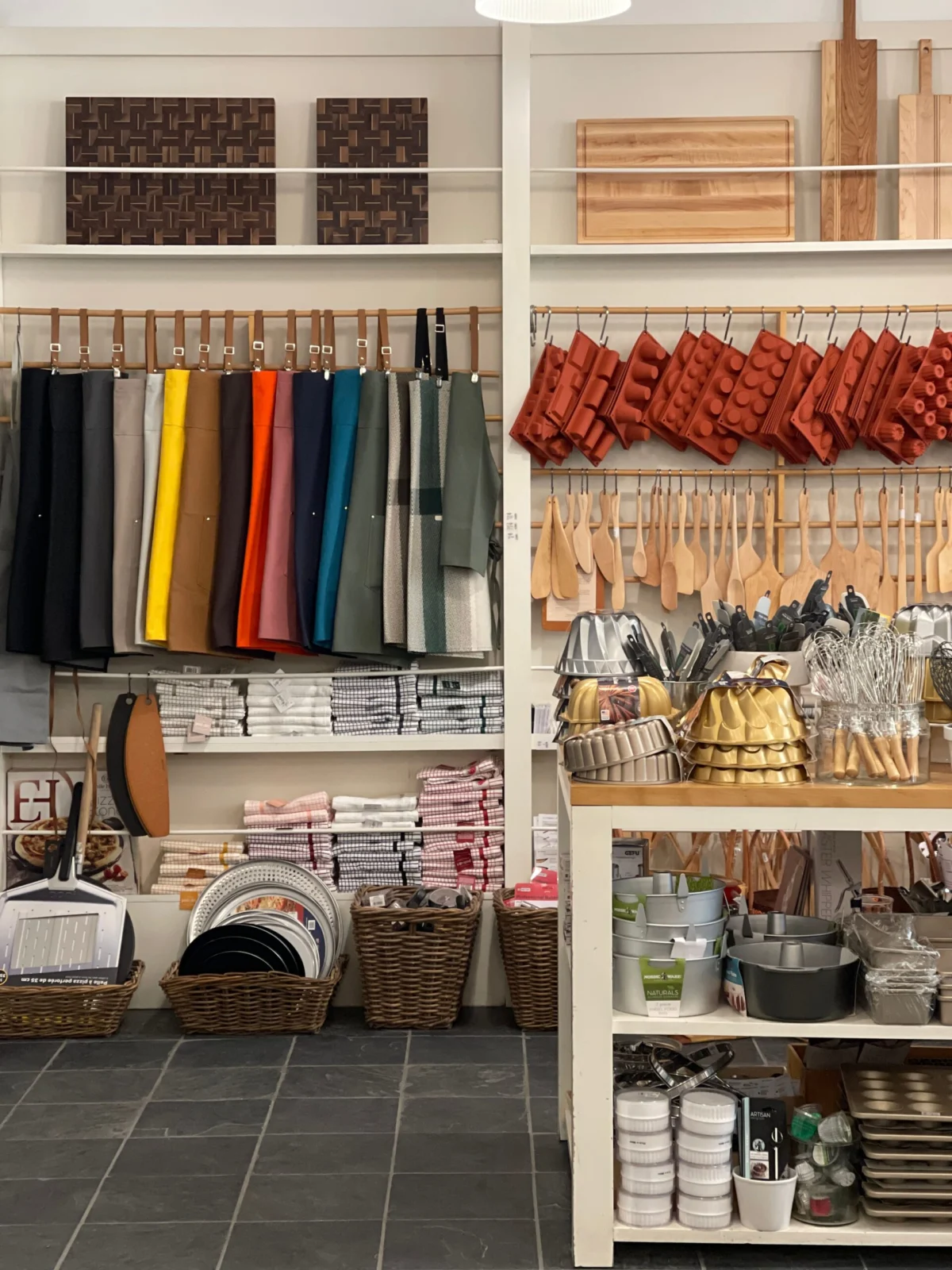
Montreal has long been celebrated as North America’s premier destination for the epicurean, yet its identity as a global retail hub has undergone a sophisticated transformation that mirrors its complex history. While the city’s origins in 1642 were rooted in missionary zeal rather than the commercial fur-trading foundations of its Canadian peers, the intervening centuries have seen Quebec’s largest metropolis evolve into a nexus of high fashion, artisanal craftsmanship, and a thriving secondary market. Today, the city’s commercial appeal lies in its ability to balance a utilitarian, "waste-not" heritage with an avant-garde, intellectual spirit. This synthesis is visible across its distinct neighborhoods, from the historic cobblestones of Old Montreal to the bohemian enclaves of Mile End and the Plateau.
The Historical Trajectory of Montreal Commerce
The evolution of Montreal’s retail sector is a study in adaptation. Following its religious founding as Ville-Marie, the city eventually succumbed to the economic pressures of the fur trade in the 18th and 19th centuries, establishing it as a gateway for North American exports. By the mid-20th century, Montreal had become the fashion capital of Canada, a title bolstered by a robust textile manufacturing industry centered in the Chabanel district.
The chronology of the city’s modern retail identity can be traced through several key eras:

- The Department Store Golden Age (1950s–1980s): The dominance of institutions like Holt Renfrew and the now-defunct Eaton’s established Montreal as a destination for European luxury and bespoke services.
- The Rise of the Plateau and Mile End (1990s–2010s): As manufacturing shifted abroad, the city’s creative class moved into former industrial lofts, sparking a boom in independent boutiques, bookstores, and vintage sellers.
- The Digital and Brutalist Fusion (2018–Present): The emergence of globally dominant e-commerce players like SSENSE, which chose to anchor its physical presence in a David Chipperfield-designed Brutalist landmark, signaled a new era where physical retail serves as an immersive brand experience.
The Resale Economy and the Vintage Renaissance
Montreal’s vintage market is not merely a collection of thrift stores but a sophisticated ecosystem that reflects a broader global shift toward sustainable consumption. According to recent market analysis, the global secondhand apparel market is expected to grow three times faster than the overall apparel market by 2027. Montreal is positioned at the forefront of this trend, particularly along Boulevard Saint-Laurent.
In this corridor, retailers like Seconde have redefined the "thrift" experience by offering a meticulously curated selection of luxury womenswear that rivals primary market boutiques in presentation and quality. Nearby, Le Magasin du Chaînon operates with a dual purpose; as a thrift shop with a vast inventory—including high-end basics like Filippa K for nominal prices—it serves as a primary funding arm for one of the city’s most vital women’s shelters. This intersection of commerce and social utility is a hallmark of the Montreal "utilitarian" attitude.
Further north, the cavernous Marché Floh in the Plateau neighborhood provides a multi-generational shopping experience, spanning decades of fashion history under one roof. In Mile End, Bohème Vintage exemplifies the artisanal approach to resale, where quality wool and denim are not just sold but maintained, with steaming and minor restorations occurring in real-time behind the counter.
Furniture, Design, and Handcrafted Heritage
The city’s interior design sector has seen a resurgence in artisanal restoration, moving away from the mass-produced furniture models that dominated the early 2000s. Morceau, a showroom open on weekends, serves as a primary example of this shift. Owners Alain Caron and Vickie Gauthier have built a business model centered on the hand-restoration of vintage Italian lamps, shag rugs, and teak furniture. Their ability to ship internationally suggests that Montreal’s "restored aesthetic" has found a global audience.

In contrast to the minimalist curation of Morceau, Antiquités Van Horne offers a maximalist, labyrinthine experience. This establishment caters to a different segment of the market, dealing in "oddities" that range from gilded frames and animal figurines to full suits of armor. Analysts suggest that the success of such disparate stores indicates a healthy, fragmented market where consumers value unique, one-of-a-kind items over standardized home decor.
The Evolution of Menswear: From Rugged to Minimalist
Montreal’s menswear landscape is currently defined by three distinct philosophies: the rugged outdoorsman, the European minimalist, and the independent avant-garde.
Clark Street Mercantile in Mile End caters to the "utilitarian" spirit of the city, focusing on durable flannels, Scottish knits, and heavy overcoats. This reflects a broader North American trend toward "heritage" brands that prioritize longevity over fast-fashion cycles. Conversely, Michel Brisson represents the city’s cosmopolitan side, housing designers such as Dries van Noten and Boglioli within a monochrome, minimalist environment that emphasizes architectural tailoring.
In Old Montreal, Rooney fills the gap between these two extremes. By curating independent designers like Our Legacy and Séfr, Rooney targets a demographic that values niche labels and exclusive releases. Industry experts note that the success of these independent retailers is often tied to their "community-first" approach, hosting events and maintaining a physical presence that cannot be replicated by online-only competitors.

Literary Culture and the Persistence of Print
Despite the global decline in independent bookstores, Montreal’s literary scene remains a pillar of its intellectual identity. This is particularly true for the city’s anglophone community, which supports a network of specialized shops.
- Librairie Drawn & Quarterly: Located in Mile End, this shop is more than a retailer; it is a cultural hub for graphic novels and new literary releases. It serves as the flagship for the world-renowned publisher of the same name.
- The Word: Situated in a historic row house near McGill University, The Word represents the "old world" of Montreal commerce. It specializes in used titles and is known for a staff whose encyclopedic knowledge of their inventory serves as a living database for scholars and casual readers alike.
- Appetite for Books: Located in the affluent Westmount neighborhood, this shop caters to the city’s culinary obsession, specializing exclusively in cookbooks and food-related literature.
The presence of Paperole, a stationery and print shop, further emphasizes the city’s commitment to the tactile and the analog. By selling stationery inspired by local icons like Leonard Cohen, Paperole bridges the gap between commercial retail and cultural tribute.
Institutional Retail and the Immersive Experience
At the high end of the spectrum, Montreal’s institutional retailers are reinventing the concept of the department store. SSENSE Montreal, located in a five-story concrete structure, operates with a "click-and-mortar" strategy. Customers can order items online to be tried on in-store, blending the efficiency of e-commerce with the tactile benefits of a physical boutique. This model is frequently cited by retail analysts as the future of the industry.
Meanwhile, Holt Renfrew Ogilvy continues to lean into the "museum" model of luxury. Following a massive multi-year renovation, the store has preserved the glamour of mid-century shopping—complete with made-to-measure services and dignified lighting—while integrating modern luxury brands. This preservation of heritage is a key driver for international tourists, who contribute significantly to the city’s annual retail revenue.

Culinary Retail and the Pantry Movement
The final frontier of Montreal’s shopping experience is the kitchen. The city has seen a surge in "culinary retail," where restaurants sell the very tools and ingredients used in their kitchens. Joe Beef and Vin Mon Lapin, two of the city’s most decorated dining rooms, now offer curated pantry items and merchandise, allowing diners to take a piece of the experience home.
Specialized shops like Boutique Couteaux Japonais Stay Sharp provide a level of expertise that high-end chefs and home cooks demand. By focusing on Japanese cutlery and offering professional sharpening services, Stay Sharp exemplifies the "niche-down" strategy that has allowed small Montreal businesses to thrive in the face of big-box competition.
Broader Economic Impact and Implications
The health of Montreal’s retail sector is a vital indicator of the city’s overall economic resilience. Tourism Montreal reported that in 2023, the city saw a significant increase in international visitors, many of whom cite "shopping and dining" as their primary motivations for visiting. The city’s retail landscape serves as a major employer and a driver of urban development, particularly in neighborhoods like Mile End, which has transitioned from a garment manufacturing hub to a high-tech and creative district.
The implications of Montreal’s retail strategy are clear: by embracing its history, fostering independent creators, and integrating technology with physical experiences, the city has created a commercial environment that is both sustainable and culturally significant. As the global retail industry continues to grapple with the dominance of e-commerce, Montreal provides a blueprint for how a city can maintain its soul while remaining a competitive destination for the modern consumer. Through a combination of luxury emporiums, vintage troves, and artisanal workshops, Montreal ensures that its nonmaterialist origins are balanced by a vibrant, tangible future.