Ferry Irwandi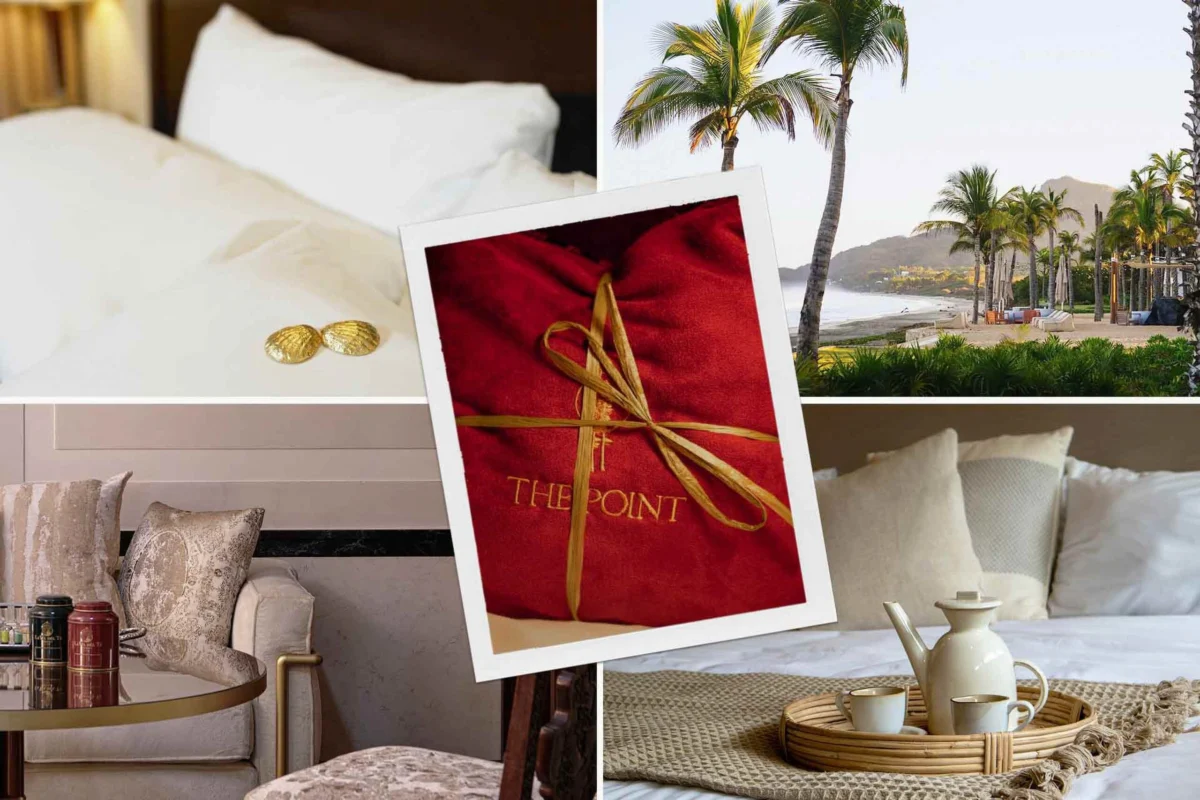
The traditional evening ritual of the turndown service, once defined by the predictable placement of a mint or a mass-produced chocolate upon a laundered pillow, is undergoing a significant transformation within the global luxury hospitality sector. At The Rusty Parrot Lodge & Spa in Jackson Hole, Wyoming, guests returning from dinner find their rooms prepared for sleep with dimmed lighting and folded duvets, yet the centerpiece of the nightstand is not a commercial sweet, but a printed card featuring a cowboy poem. These verses, authored by local ranchers or historical Western figures, serve as a narrative bridge between the guest and the rugged heritage of the American West. This shift represents a broader movement toward "hyperlocalism," where luxury properties utilize the final touchpoint of the day to foster a deeper sense of place and cultural connection.
The Historical Evolution of the Turndown Ritual
To understand the current shift toward artisanal and narrative-driven turndown services, it is necessary to examine the origins of the practice. The turndown service traces its roots back to the 19th-century grand hotels of Europe and North America, where it functioned primarily as a practical necessity. Before the advent of modern climate control and synthetic materials, beds required physical preparation—fluffing heavy down mattresses and warming sheets with hot stones or pans—to ensure guest comfort.

By the mid-20th century, the ritual had become a hallmark of the burgeoning luxury hotel industry. The "mint on the pillow" phenomenon is widely attributed to the actor Cary Grant, who, while staying at the Mayfair Hotel in St. Louis in the early 1950s, reportedly left a trail of chocolates for a lady friend. The hotel manager, noticing the gesture, adopted it as a standard amenity. For decades, this standardized approach served as a symbol of attentive service. However, as global travelers increasingly prioritize "authentic" experiences over uniform luxury, the industry has pivoted. The Rusty Parrot Lodge & Spa was an early adopter of this trend, introducing its cowboy poetry program in 1990, decades before the current industry-wide emphasis on local storytelling.
Case Studies in Narrative Turndown: From Wyoming to Mexico
The Rusty Parrot’s use of poetry is designed to evoke the "mythic pull of the West," according to General Manager Brandon Harrison. By sharing verses that detail the struggles and triumphs of ranch life, the property transforms a service interaction into a personal encounter with regional history. This philosophy is echoed in contemporary properties that have opened or rebranded in the post-pandemic era, a period marked by a heightened consumer desire for meaningful travel.
At the Conrad Punta de Mita in Mexico, which opened its doors in 2020, Director of Housekeeping Joel Lopez has reimagined the turndown gift as an act of discovery. Guests may find a "woven Ojo de Dios" (God’s Eye), a spiritual symbol used by the Huichol people of Western Mexico, or a decorative "calavera" (skull) associated with the traditions of Día de los Muertos. Lopez notes that these objects are selected specifically because they carry a connection to the people and traditions of the Nayarit region, ensuring that the guest’s final impression of the day is rooted in the local landscape.

In a similar vein, the Rosewood Mayakoba and Montage Los Cabos utilize "alebrijes"—vibrant, fantastical animal sculptures—to introduce guests to Mexican folklore. At Rosewood Mayakoba, each night features a different creature accompanied by a note explaining its symbolic significance, such as protection or wisdom. Montage Los Cabos utilizes a tiered approach, beginning the stay with "worry dolls" based on Mayan legends. Guests are encouraged to share their concerns with the dolls before sleep, a ritual that integrates ancient mythology into the modern guest experience.
Preservation of Heritage through Local Craftsmanship
Beyond storytelling, many luxury properties are using the turndown service as a vehicle for economic support and the preservation of traditional crafts. This approach creates a sustainable loop between the hospitality industry and local artisans.
In Chile’s southern lake district, Refugia Chiloé has provided guests with hand-knit wool slippers since 2012. These items are crafted by local Chilote women, utilizing the region’s famous wool-working traditions. Manager Edgardo Songer emphasizes that this initiative serves a dual purpose: it offers guests a functional, high-quality keepsake while providing stable employment for local craftspeople during the slow tourism season.

In Venice, the Violino d’Oro, which opened in 2023, leverages the city’s centuries-old glassmaking heritage. Guests in premium suites receive handmade items created with traditional Murano glass techniques, including hand-blown picture frames and prismatic Murrini glass beads. By commissioning these pieces, the hotel ensures that traditional Venetian craftsmanship remains a viable trade in the face of modern mass production.
Further examples of this trend include:
- Waldorf Astoria Costa Rica Punta Cacique: Guests receive hand-painted fedoras or silk scarves featuring motifs from the "carreta," the traditional Costa Rican oxcart recognized by UNESCO as a masterpiece of oral and intangible heritage.
- Cayo Levantado Resort (Dominican Republic): The property provides carvings made from "guayacán," a native hardwood, highlighting the island’s natural resources and carving traditions.
- Amangiri (Utah): Navajo artisan Pearl Seaton, a long-term staff member, creates handmade dreamcatchers that are placed in guest rooms, honoring the indigenous culture of the Canyon Point region.
Supporting Data: The Rise of Experiential and Sustainable Travel
The shift toward bespoke turndown services is supported by broader data within the luxury travel market. According to the 2023 American Express Travel Trends Report, 85% of respondents stated they want to visit a destination where they can experience the local culture, and 78% expressed an interest in vacations that support local communities.

Furthermore, a study by Virtuoso, a leading global network of agencies specializing in luxury travel, found that 70% of travelers believe that traveling sustainably enhances their vacation experience. The "souvenir economy" integrated into turndown services aligns with these values by replacing disposable plastics or imported chocolates with items that have a lower carbon footprint and higher social value. For instance, Raffles Singapore has partnered with the Association of People with Special Needs to upcycle nut jars into hand-poured candles, addressing both environmental sustainability and social inclusivity.
Official Responses and Economic Implications
Industry leaders suggest that these initiatives are no longer optional "extras" but essential components of brand identity. Loreana Aiza, Director of Guest Services at the Waldorf Astoria Costa Rica, explains that partnering with local designers allows the resort to reinterpret ancestral motifs through a contemporary lens, effectively acting as a cultural ambassador for the country.
From an operational perspective, these programs require a more complex supply chain than traditional amenities. Hotels must establish direct relationships with artisans, manage small-batch inventories, and train staff to explain the cultural significance of the gifts. However, the return on investment is often measured in guest loyalty and brand differentiation. Mario Arriaga, Director of Operations at Montage Los Cabos, notes that these cultural "bookends" to a stay create lasting memories that a standard hotel room cannot provide.

The economic impact on local communities is also measurable. At The Point Resort in Saranac Lake, New York, turndown gifts such as maple syrup are harvested and bottled from trees on land owned by the resort’s own staff members. This creates a hyper-local micro-economy where the financial benefits of luxury tourism are distributed directly among the people who facilitate the guest experience.
Analysis of Broader Industry Implications
The transition from the "pillow mint" to the "local artifact" signals a broader paradigm shift in the definition of luxury. In the previous era, luxury was defined by exclusivity and the availability of rare, imported goods. In the contemporary era, luxury is increasingly defined by access to authentic knowledge and unique, non-replicable experiences.
This trend also reflects a move toward "slow hospitality." By encouraging a guest to read a poem, learn about a Mayan legend, or examine the weave of a wool slipper, hotels are prompting a moment of mindfulness. This counteracts the fast-paced nature of modern travel and encourages guests to mentally "arrive" in their destination.

As the luxury market continues to evolve, it is expected that more properties will move away from standardized global brand standards in favor of localized expressions of hospitality. The turndown service, though a small window in the overall guest stay, has become one of the most effective tools for delivering this message. Whether through a hand-blown glass bead in Venice or a balsam-scented pillow in the Adirondacks, the message remains the same: the most valuable thing a hotel can provide is a genuine connection to the world outside its doors. When guests are seen wearing their local wool slippers or tucking a cowboy poem into their suitcase, it serves as a metric of success that transcends traditional hospitality KPIs, signaling that the hotel has transitioned from a mere place of lodging to a participant in the guest’s personal narrative.