Jono Maryono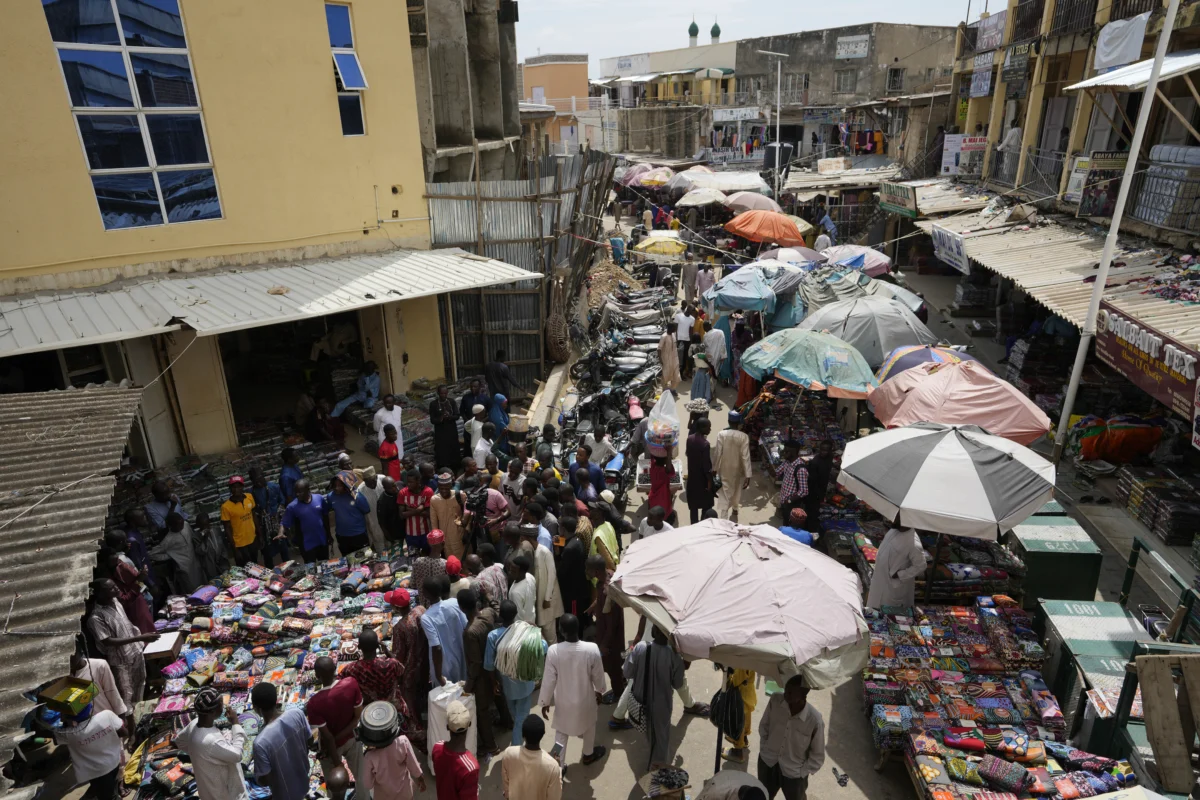
On a seemingly ordinary day in Kano, Nigeria, Marian Shammah, a 34-year-old cleaner, navigated the crowded aisles of Sabon Gari Market, a sprawling hub for electronics in the northern state. Her mission: to find a much-needed refrigerator. For individuals like Shammah, with rising costs and limited incomes, the second-hand appliances that flood this market represent not just a purchase, but a vital lifeline for maintaining their households. She eventually settled on a refrigerator, paying the vendor 50,000 naira (approximately $36), a significant sum for her, and brought it home. Tragically, just one month later, the appliance malfunctioned. "Only the top half of the refrigerator was working, and the freezer wasn’t working," Shammah recounted, her voice tinged with frustration. The spoiled food represented a direct loss of her meager savings, forcing her back to the market in search of a replacement.
This recurring cycle of purchase and failure highlights a deeply ingrained, yet problematic, consumer behavior in Nigeria. Despite the availability of new local appliances for a slightly higher cost – just over 30,000 naira more than her failed second-hand unit – Shammah, like millions of her compatriots, holds a firm belief that second-hand products imported from America and Europe possess a superior longevity, an assertion that is increasingly being challenged by reality. This pervasive preference for imported used electronics, while driven by affordability, is inadvertently fueling a burgeoning e-waste crisis across Nigeria and the wider African continent, posing significant threats to both public health and the environment.
The influx of discarded electronics from developed nations has transformed Nigeria into a primary destination for what is often near the end of its operational life, sometimes completely defunct, and frequently laden with hazardous materials. These imports, far from being a sustainable solution, are exacerbating an already dire environmental situation, contributing to mounting landfills and an escalating e-waste problem.
A Deluge of Discarded Devices: The Scale of the Problem
The sheer volume of used electronics entering Nigeria is staggering. According to the United Nations, approximately 60,000 tonnes of used electronics are imported into the country annually through its key ports. Alarmingly, a significant portion of this cargo, at least 15,700 tonnes, is already damaged or non-functional upon arrival. This statistic underscores a critical flaw in the system: a substantial amount of what is shipped as "used" is, in fact, already obsolete or broken.

The international trade in these used electronic goods is largely orchestrated by foreign exporters. A comprehensive tracking study conducted by the UN between 2015 and 2016 revealed that over 85 percent of used electronics imported into Nigeria originated from a select group of countries, including Germany, the United Kingdom, Belgium, the Netherlands, Spain, China, the United States, and the Republic of Ireland. This concentration of source countries points to a systemic issue within these developed nations, where the cost of proper recycling and disposal is avoided by exporting problematic waste.
Furthermore, a significant portion of these imports flagrantly violates international environmental treaties, most notably the Basel Convention. This crucial environmental treaty, ratified by numerous nations, aims to regulate the transboundary movement and disposal of hazardous waste, particularly directing it away from developing countries with less stringent environmental protection laws. The continued influx of e-waste into Nigeria, often in violation of these international accords, suggests a pervasive disregard for global environmental governance.
Across West Africa, the "E-Waste Africa Programme," a project spearheaded by the Basel Convention to bolster e-waste management systems, estimates that countries like Benin, Ivory Coast, Ghana, Liberia, and Nigeria collectively generate an alarming annual e-waste total of between 650,000 and 1,000,000 tonnes. A substantial portion of this immense volume is directly attributable to the short lifespan of second-hand electronics that are imported into the region.
The Hidden Dangers: Health Risks Associated with E-Waste
The United Nations defines electronic waste, or e-waste, as any discarded device that utilizes a battery or plug and contains hazardous substances. These substances, such as mercury, lead, cadmium, and brominated flame retardants, pose significant risks to both human health and the environment. Several of these toxic components are recognized by the World Health Organization (WHO) as chemicals of major public health concern.
The WHO has explicitly identified used electrical and electronic equipment (EEE) as a growing public health and environmental threat across Africa, with Nigeria often at the epicenter of this trade. Rita Idehai, founder of Ecobarter, a Lagos-based environmental non-governmental organization, warns that the devices imported and marketed as affordable second-hand goods frequently fail shortly after arrival, rapidly entering the waste stream. This creates a continuous cycle of consumption and disposal, overwhelming the continent’s limited waste management infrastructure.

The consequences of this unchecked import are far-reaching and insidious. Many imported refrigerators and air conditioners, for instance, still contain banned refrigerants like CFC-based and HCFC-based chemicals, such as R-12 and R-22. These chemicals, phased out in Europe and the US due to their ozone-depleting properties or their link to serious health issues like cancer, miscarriages, neurological disorders, and long-term soil contamination, persist in the environment for decades. Their leakage from discarded appliances contributes to a multi-generational environmental burden.
Once these imported items reach the end of their short operational lives, they are often dismantled by informal recyclers who work with their bare hands, exposing themselves to extreme hazards. In Kano, these workers are observed inhaling poisonous fumes and handling heavy metals without any protective gear. Their arduous labor, which involves burning cables and dismantling complex electronic components, yields a meager income of 3,500 to 14,000 naira ($2.50-$10) per week. The immediate after-effects of their work are debilitating, including persistent coughing, chest pain, headaches, eye irritation, and severe breathing difficulties.
The health crisis, however, extends beyond the immediate workers to the communities in Kano. Casual recyclers and residents living in close proximity to e-waste dumps frequently report a range of symptoms, from chronic headaches and debilitating skin irritation to severe respiratory issues, recurrent miscarriages, and neurological concerns. Health surveys conducted by the International Journal of Environmental Research and Public Health have consistently linked these ailments to prolonged toxic exposure. Recent field assessments by Nigeria’s Federal University Dutse have further corroborated these findings, revealing elevated levels of heavy metals in the soil and drainage channels in and around Kano State, the very region where the Sabon Gari Market operates.
Dr. Ushakuma Michael Anenga, a gynaecologist at the Benue State Teaching Hospital and second vice president of the Nigerian Medical Association, emphasized the grave health risks posed by informal e-waste recycling to Kano’s communities. He explained that exposure to heavy metals and refrigerant gases from e-waste can lead to acute and chronic health problems, predominantly affecting the respiratory and renal systems. He further highlighted the particular vulnerability of children and pregnant women, as these toxicants can disrupt fetal development or even be transmitted from mother to unborn child. Recyclers who forgo protective equipment face repeated and often irreversible damage to their health.
Profits Over Protection: The Economic Drivers and Consumer Deception
At Sabon Gari Market, the allure of second-hand electronics is undeniable, presented as a cost-effective solution for households and small business owners grappling with rampant inflation. Many consumers express a preference for foreign-used home equipment, believing it to be more robust and offering better value for money compared to new imports from other developing nations. For others, it’s simply a matter of economic necessity, a way to acquire essential appliances during challenging economic times.

Umar Hussaini, a vendor selling used electronics at the market, articulated this sentiment: "I usually go for second-hand or foreign-used electronics because brand-new ones are too expensive for me. Sometimes you can get them for half the price of new ones, and they look almost the same, so it feels like a good deal at the time." However, this perceived good deal often comes with a hidden cost. Hussaini himself experienced the disappointment when the last refrigerator he purchased ceased cooling after just three months. Without any warranty or guarantee, the vendor refused responsibility, leaving his family without proper food storage for weeks and forcing them into more expensive daily food purchases. Despite this setback, he acknowledged the unavoidable reality: "However, I have to buy another one again."
For small business owners, the financial implications of these faulty appliances can be devastating. Salisu Saidu, who invested in a used freezer for his shop, believing it had been serviced, saw his livelihood threatened when it failed within weeks. "I lost a lot of frozen food, which meant I lost money and customers," he lamented. The visible evidence of broken electronics dumped in the streets around his neighborhood, sometimes emitting smoke or sparks, is a constant reminder of the growing problem. Saidu, like many others, calls for tighter import controls, proper certification, and mandatory warranties to protect consumers from being sold "damaged goods disguised as fairly used."
Bought as Bargains, Sold as Burdens: The Market’s Murky Reality
In the bustling environment of Sabon Gari Market, vendors like Umar Abdullahi preside over rows of imported refrigerators, air conditioners, and washing machines. His stall, adorned with labels like "London use" or "Direct Belgium," is a microcosm of the trade. He was negotiating the sale of a double-door fridge for 120,000 naira ($87) when Al Jazeera approached him. Abdullahi, whose store is where Marian Shammah returned after her failed purchase, offered a candid, albeit concerning, admission: "We buy them untested from suppliers in Europe, and we also sell them untested so we can make our profit."
This practice directly contravenes international regulations, including the Basel Convention, and Nigerian environmental laws that prohibit the shipment of material classified as e-waste. Penalties for such violations can include substantial fines and imprisonment. Nwamaka Ejiofor, a spokesperson for Nigeria’s National Environmental Standards and Regulations Enforcement Agency (NESREA), asserted that the country officially prohibits the import of e-waste. However, she clarified that the importation of used electronics is permitted under specific regulated conditions, requiring that such equipment meets prescribed standards for functionality and compliance. NESREA claims to employ a combination of regulatory, administrative, and enforcement measures, including environmental regulations, cargo inspection, and verification of imported equipment’s functionality.
Despite these stated measures, traders frequently exploit loopholes. Some declare incoming cargo as personal belongings or second-hand household goods to evade rigorous scrutiny at ports. While NESREA maintains that enforcement has improved, critics argue that the continuous flow of substandard goods remains largely unchecked. Even within Sabon Gari Market, dealers acknowledge that most appliances are sold "as is," without any certification or guarantees, leaving consumers vulnerable.

Exploiting Loopholes: A Systemic Flaw in Global Waste Management
Behind the seemingly legitimate trade in second-hand electronics lies a complex network of collectors and exporters who source discarded appliances from across Europe. Baban Ladan Issa, who ships used electronics from Ireland to Nigeria, describes how these items are accumulated from weekend markets, homes upgrading their gadgets, and contractors clearing out equipment from businesses and institutions. "Some suppliers mix working and damaged goods together," he admitted, adding that while he tries to avoid faulty items, not all buyers are as discerning.
Once assembled, shipments valued in the millions of naira are dispatched to Lagos via ships, then transported to markets like Kano. To minimize inspection risks, these goods are sometimes packed in containers or concealed within other vehicles. Shipping records reviewed by Al Jazeera revealed consignments labeled as "personal effects," a classification that can limit the depth of inspection at ports.
Chinwe Okafor, an environmental policy analyst based in Abuja, describes the problem as systemic. "Exporting nations regularly take advantage of loopholes by means of labelling nonfunctional e-waste as ‘second-hand goods’ or ‘for repair’," she explained. Okafor cited research suggesting that over 75 percent of what arrives in developing countries is, in reality, junk. This practice allows wealthy countries to sidestep costly domestic recycling processes while offloading hazardous materials onto nations with weaker environmental safeguards.
Ibrahim Adamu, a program officer with the NGO Ecobarter, further elaborated on the challenges, pointing to mislabeling, inadequate inspection technology, and corruption at ports as significant impediments to effective enforcement. He noted that the highest profits are reaped by exporters and brokers who exploit the vast difference between disposal costs in Europe or Asia and the strong demand for "tokunbo" (used imported electronics) in Nigeria. To combat this, Adamu advocates for reinforced border inspections and the implementation of Extended Producer Responsibility (EPR) policies, where manufacturers bear financial responsibility for the end-of-life management of their products. Concurrently, he stressed the need for an international framework with binding bans that hold manufacturers and exporters accountable.
Mounting Risks Amidst Limited Oversight

Despite existing Nigerian regulations governing the import of electrical and electronic equipment, significant enforcement gaps continue to expose markets like Kano’s Sabon Gari to ageing and near-end-of-life appliances. Importers themselves acknowledge the compromised state of much of the imported merchandise. Ibrahim Bello, a used electronics importer with a decade of experience, stated that "Around 20 to 30 percent of the items we receive have issues when they arrive. Some are already damaged, while others stop working after a short time because they are old. That’s just part of the business."
Retailer Chinedu Peter offered similar figures, estimating that "maybe 40 percent of the electronics have some fault as they come." He candidly admitted that environmental and protection checks are not conducted as rigorously as they should be, leading to a substantial number of items entering the country without proper scrutiny. Both men expressed a desire for clearer regulations and certified testing systems to foster greater consumer trust. However, in the interim, thousands of aging and unsuitable products continue to flood the Nigerian market.
Marian Shammah, the cleaner whose initial purchase failed, found herself back at Sabon Gari Market weeks later, sifting through rows of stacked appliances, a renewed sense of hope tinged with deep skepticism. "I don’t really trust these fairly used appliances again, but I still have to buy something because we need it at home," she confided. "This time I’m thinking… I can buy a new one from a proper shop, even if it takes longer, because I don’t want to lose my money again." Her sentiment reflects the difficult choices faced by millions, caught between the immediate need for affordable appliances and the escalating risks associated with a trade that prioritizes profit over planetary and human well-being.