Ferry Irwandi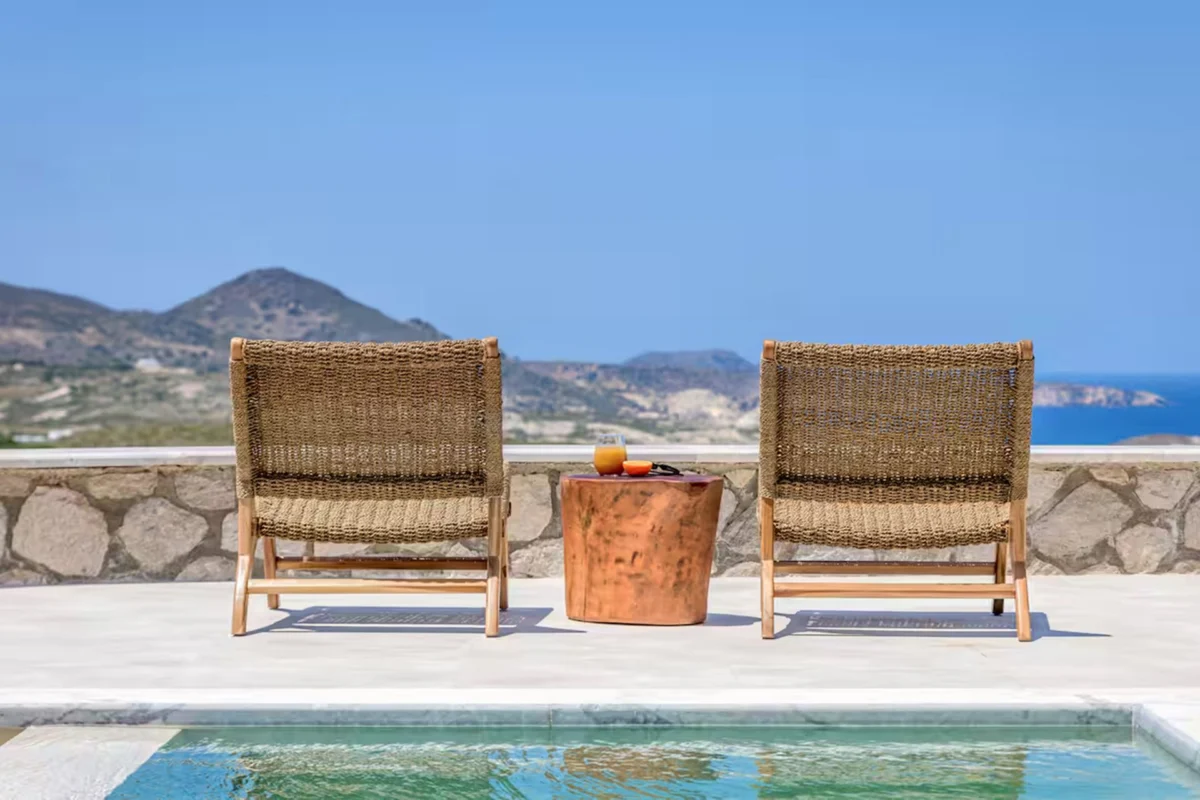
The island of Milos, situated in the southwestern arc of the Cyclades, has undergone a profound transformation over the last decade, transitioning from a secluded refuge known primarily to domestic travelers and geologists into a premier international destination. This shift reflects broader trends in the Greek tourism sector, where travelers are increasingly seeking alternatives to the high-density hubs of Santorini and Mykonos. Defined by its complex volcanic history, Milos offers a distinct aesthetic and cultural proposition characterized by white lunar landscapes, subterranean historical sites, and a unique architectural heritage that is now being repurposed for the modern luxury rental market.
The Geological Foundation: A Volcanic Masterpiece
The primary driver of the island’s contemporary appeal is its extraordinary geological composition. Unlike the traditional rugged limestone of many Aegean islands, Milos is almost entirely volcanic. This activity, which began during the Pliocene epoch and continued through the Pleistocene, has endowed the island with a palette of colors and shapes that are rare in the Mediterranean.
The most iconic manifestation of this history is Sarakiniko beach. Often referred to as "the moon on earth," Sarakiniko consists of undulating, bone-white volcanic tuff that has been sculpted by north-easterly winds and Aegean waves over millennia. The absence of traditional sand or vegetation at this site creates a stark, ethereal landscape that has become a focal point for global photography and social media, significantly contributing to the island’s international "viral" status.
Beyond Sarakiniko, the volcanic nature of Milos is evident in the dramatic sea stacks of Kleftiko—accessible only by boat—and the thermal springs found in areas like Adamas and Kanava. These geological features are not merely aesthetic; they have dictated the island’s economy for thousands of years, moving from the Neolithic trade of obsidian to the modern extraction of bentonite and perlite. Milos remains one of the most significant mining hubs in the European Union, a fact that provides a unique industrial backdrop to its burgeoning tourism industry.
Historical Chronology: From the Neolithic Era to the Venus de Milo
The history of Milos is a timeline of strategic importance and artistic contribution. The island’s significance began in the Neolithic period (circa 7000–3000 BCE) due to its rich deposits of obsidian, a volcanic glass used for tool-making across the Mediterranean. This early trade established Milos as an essential node in prehistoric maritime networks.
- The Bronze Age (Phylakopi): Milos hosted one of the most important settlements in the Cyclades at Phylakopi. Excavations have revealed a sophisticated urban center that thrived through the Minoan and Mycenaean periods.
- The Classical and Hellenistic Periods: The island became a site of significant architectural and artistic development. The ancient city of Klima served as a primary port, and the remains of a Roman theater—still used for performances today—overlook the sea.
- 1820: The Discovery of the Venus de Milo: In a pivotal moment for global art history, a local farmer discovered the Aphrodite of Milos (Venus de Milo) in the ruins of the ancient city of Klima. The statue, now housed in the Louvre Museum in Paris, remains one of the most famous works of ancient Greek sculpture and has permanently linked the island’s name to classical beauty.
- Early Christian Era: Milos is home to one of the most significant early Christian sites in the world. The Catacombs of Milos, dating from the 1st to the 5th century CE, served as a communal burial ground and a place of worship for the island’s early Christian community, rivaling those of Rome and the Holy Land in historical importance.
The "Syrmata" and the Shift in Modern Hospitality
A defining feature of the Milian landscape is the syrma (plural: syrmata). These are traditional fishermen’s dwellings carved directly into the soft volcanic rock at the water’s edge. Historically, these structures were used to house colorful wooden boats during the winter months to protect them from the harsh Aegean storms. The ground floor served as a garage, while the upper floor—if present—functioned as a basic residence for the fisherman’s family.
In recent years, these traditional structures have become the centerpiece of a niche luxury hospitality market. As international demand for "authentic" and "immersive" travel experiences has grown, many syrmata in villages such as Klima, Mandrakia, and Firopotamos have been meticulously renovated. These properties now serve as high-end Airbnb rentals and boutique accommodations, offering guests the ability to live literally steps from the sea. This adaptive reuse of heritage architecture has allowed Milos to maintain its traditional aesthetic while catering to the expectations of the modern, affluent traveler.
Supporting Data: The Growth of the Tourism Sector
The statistical trajectory of Milos’s tourism sector aligns with the record-breaking performance of the Greek tourism industry at large. According to data from the Hellenic Statistical Authority (ELSTAT) and the Bank of Greece, the country saw over 32 million international arrivals in 2023, a trend that has continued into 2024.
Milos has seen a disproportionate increase in interest. Flight data from Milos Island National Airport (MLO) shows a steady increase in domestic connections from Athens, with local authorities frequently discussing the potential for runway extensions to accommodate larger aircraft. Maritime traffic via the port of Adamas has also surged, with a significant rise in high-speed ferry arrivals from Piraeus and neighboring islands like Santorini and Crete.
Property data from major rental platforms indicates that Milos has one of the highest "Guest Favorite" and "Superhost" concentrations in the Cyclades. The preference for unique rentals—such as the aforementioned syrmata—over large-scale hotel complexes has helped the island preserve its low-rise, village-centric character, even as visitor numbers climb.
Local Governance and Sustainability Analysis
The rapid ascent of Milos has not been without challenges. Local officials and environmental groups have expressed concerns regarding the "carrying capacity" of the island. Unlike larger islands, the infrastructure of Milos—specifically its road networks, water management systems, and waste disposal—was not originally designed for the current volume of peak-season visitors.
Official Responses and Strategies:
- Infrastructure Investment: The Municipality of Milos has prioritized the upgrading of water desalination plants to meet the increased demand during the summer months.
- Traffic Management: During the 2023 and 2024 seasons, local authorities implemented stricter parking regulations and shuttle services for high-traffic areas like Sarakiniko to prevent environmental degradation and traffic congestion.
- Diversification of the Season: There is a concerted effort by the local tourism board to promote Milos as a year-round destination. By highlighting the island’s mining history, trekking paths, and archaeological sites, officials aim to attract visitors during the "shoulder seasons" (April–May and September–October), thereby reducing the strain on resources during July and August.
Broader Impact and Global Implications
The rise of Milos serves as a case study for the evolution of the Mediterranean tourism model. For decades, the region relied on "sun and sea" mass tourism. However, the Milos example demonstrates a shift toward "narrative-driven" travel. Visitors are no longer satisfied with a standard beach resort; they seek locations with a specific geological story, a deep historical pedigree, and architectural uniqueness.
The economic implications are significant. The transition from a mining-dominant economy to a tourism-heavy one has brought increased wealth to the island but has also led to a rise in the cost of living for locals. The "Airbnb effect" has seen property values in villages like Plaka and Pollonia skyrocket, leading to a shortage of affordable housing for seasonal workers and local residents—a phenomenon mirrored in many global tourism hotspots.
Furthermore, the global visibility of Milos has influenced international design and fashion. The island’s white volcanic textures and minimalist aesthetic have served as the backdrop for numerous high-fashion editorial shoots and luxury brand campaigns, further cementing its status as a cultural icon rather than just a holiday spot.
Conclusion: Balancing Heritage and Popularity
As Milos continues to grow in popularity, the central challenge for the coming decade will be the preservation of the very "secret" charm that made it famous. The island’s volcanic origins gave it its beauty, and its history gave it its soul. The successful integration of modern luxury—exemplified by the sophisticated renovation of traditional syrmata—with rigorous environmental and heritage protection will determine whether Milos can maintain its status as a premier global destination without losing the simplicity and authenticity that define the Cycladic spirit.
For the international traveler, Milos remains a testament to the power of the natural world and the enduring legacy of ancient civilizations. Whether exploring the depths of the Christian catacombs, standing on the white cliffs of Sarakiniko, or dining in a seaside taverna in Klima, visitors are partaking in a story that began with volcanic fire and continues as a vibrant, modern-day odyssey.