Nila Kartika Wati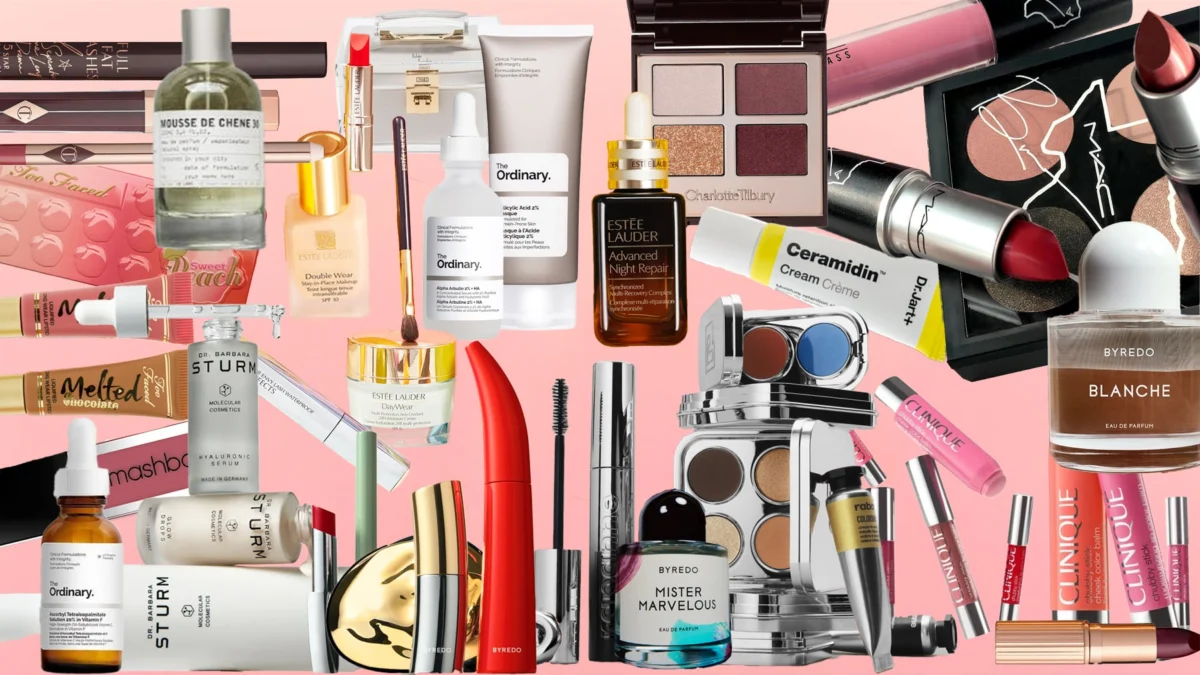
The global beauty industry is abuzz with speculation following reports of a potential merger between two titans: The Estée Lauder Companies and Puig. While details remain under wraps, such a union would represent a seismic shift in the luxury beauty and fragrance market, reshaping competitive dynamics and brand portfolios. This potential consolidation, driven by evolving consumer preferences, the rise of influencer-driven marketing, and the pursuit of scale, could usher in a new era of strategic realignment within the sector.
Strategic Rationale Behind a Potential Union
The Estée Lauder Companies, a venerable American multinational, boasts an expansive portfolio encompassing prestige skincare, makeup, fragrance, and hair care brands. Its strength lies in its established market presence, extensive distribution networks, and deep understanding of the premium consumer. Brands like Estée Lauder, Clinique, MAC Cosmetics, and La Mer are household names, synonymous with quality and luxury. In recent years, the company has been navigating a complex market, facing challenges from agile direct-to-consumer brands and the increasing influence of social media personalities on purchasing decisions.
Puig, a Spanish family-owned conglomerate, has carved out a significant niche primarily in fragrances and fashion, with a strong emphasis on licensing agreements with high-fashion houses alongside its proprietary brands. Its success has been built on cultivating desirable scent profiles and leveraging the aspirational power of luxury fashion labels. Brands like Paco Rabanne, Carolina Herrera, Jean Paul Gaultier, and Nina Ricci, along with its growing presence in skincare and makeup through acquisitions like Charlotte Tilbury, underscore its ambition to diversify and expand its footprint.
A merger between these two entities would create a formidable global powerhouse with unparalleled scale and a diversified revenue stream. For Estée Lauder, it could offer a significant injection of agility and a stronger foothold in the rapidly growing fragrance sector, where Puig excels. It could also provide access to Puig’s expertise in managing fashion-beauty collaborations and its established presence in key European and Latin American markets.
For Puig, a merger with Estée Lauder would grant access to a vast array of established skincare and makeup brands, a robust global distribution infrastructure, and significant research and development capabilities. It would also provide a pathway to greater market share and a more diversified portfolio, reducing its reliance on the cyclical nature of fashion-driven fragrance sales. The integration of Estée Lauder’s digital marketing prowess and its experience in navigating diverse regulatory environments would also be invaluable.
The Shifting Sands of the Beauty Market: Context and Drivers
The beauty industry has witnessed significant transformation in recent years. Consumers are increasingly discerning, seeking not only high-quality products but also brands that align with their values, offer authentic experiences, and engage with them through digital channels. The rise of social media influencers, particularly on platforms like TikTok and Instagram, has democratized beauty marketing, enabling new brands to gain traction rapidly and challenge established players.
This shift has been a key driver of M&A activity. Large corporations are looking to acquire or partner with innovative, digitally native brands that possess a strong connection with younger demographics. Simultaneously, the pursuit of scale and operational efficiencies has become paramount in a competitive global market. Larger entities can leverage their size to negotiate better terms with suppliers, invest more heavily in R&D and marketing, and navigate complex global supply chains more effectively.
Furthermore, the beauty sector has seen a surge in private equity interest, with investors recognizing the industry’s resilience and consistent demand. This has fueled a competitive bidding environment for attractive assets.
Alix Earle’s Entry into Skincare: A Microcosm of Broader Trends
The mention of Alix Earle, a prominent social media influencer, in connection with this M&A discussion highlights a crucial contemporary trend: the growing influence of individuals with large, engaged online followings on brand strategy and consumer purchasing behavior. Earle’s recent foray into the skincare market, as alluded to in the original context, exemplifies how influencers are no longer just marketing conduits but increasingly becoming brand creators and entrepreneurs.
Her ability to generate significant buzz and drive sales through her personal brand underscores the power of authentic connection with consumers. While her specific ventures may operate on a different scale than a multi-billion dollar merger, the underlying principle is the same: tapping into influential voices to reach and resonate with target audiences. For established companies, understanding and integrating such influencer-led strategies, or even acquiring them, has become a critical component of their growth playbook. The potential inclusion of brands that have leveraged influencer marketing, like Charlotte Tilbury under Puig, further emphasizes this point.
A Look at the Timeline and Potential Implications
While the precise timeline of discussions between The Estée Lauder Companies and Puig remains confidential, the increased pace of M&A in the beauty sector suggests that such strategic explorations are ongoing. The industry has seen several significant deals in recent years, including L’Oréal’s acquisition of Aesop and Shiseido’s divestment of its personal care and makeup divisions.
A merger of this magnitude would undoubtedly trigger a cascade of implications:
- Brand Portfolio Rationalization: The combined entity would need to strategically manage its vast brand portfolio. This could lead to the divestment of underperforming brands or those that overlap significantly in their target markets or product categories.
- Supply Chain and Operational Synergies: Significant opportunities for cost savings and operational efficiencies would arise from integrating manufacturing, procurement, logistics, and administrative functions.
- Innovation and R&D: The pooled resources could accelerate innovation in areas such as sustainable sourcing, advanced ingredient technology, and personalized beauty solutions.
- Market Access and Distribution: The merged company would possess an even more formidable global distribution network, potentially expanding its reach into new territories and strengthening its presence in existing ones.
- Competitive Landscape Shift: The creation of a larger, more diversified entity would inevitably alter the competitive dynamics, potentially intensifying pressure on rivals and influencing their own strategic decisions. Competitors might seek to strengthen their own portfolios through acquisitions or strategic partnerships to maintain market share.
- Talent Acquisition and Retention: Integrating two large workforces would present challenges and opportunities in talent management, requiring careful consideration of company culture, employee development, and leadership structures.
Official Responses and Market Reactions
In the absence of official confirmation, market reactions would typically involve fluctuations in the stock prices of both companies and their competitors. Analysts would scrutinize the potential financial benefits, regulatory hurdles, and strategic fit of such a deal.
If such a merger were to proceed, official statements would likely emphasize the strategic vision, the enhanced value proposition for consumers, and the commitment to innovation and brand heritage. The companies would aim to reassure investors, employees, and consumers about the long-term benefits and the seamless integration of operations. Regulatory bodies in various jurisdictions would also play a crucial role, assessing the merger for any potential anti-competitive implications.
Broader Impact and Future Outlook
The potential Estée Lauder Companies-Puig merger is more than just a significant business transaction; it is a bellwether for the future of the luxury beauty industry. It underscores the ongoing trend of consolidation driven by the need for scale, agility, and a deep understanding of evolving consumer desires in a digitally interconnected world.
As brands continue to navigate the complexities of influencer marketing, direct-to-consumer models, and the growing demand for sustainability and authenticity, strategic alliances and mergers will likely remain a dominant theme. The success of such a monumental union would depend on the careful integration of diverse brand cultures, the effective leveraging of combined expertise, and a continued commitment to delivering exceptional products and experiences to a global consumer base. The outcome of these discussions, whether leading to a merger or a different strategic arrangement, will undoubtedly shape the competitive landscape of the beauty industry for years to come.