Ronny Sianturi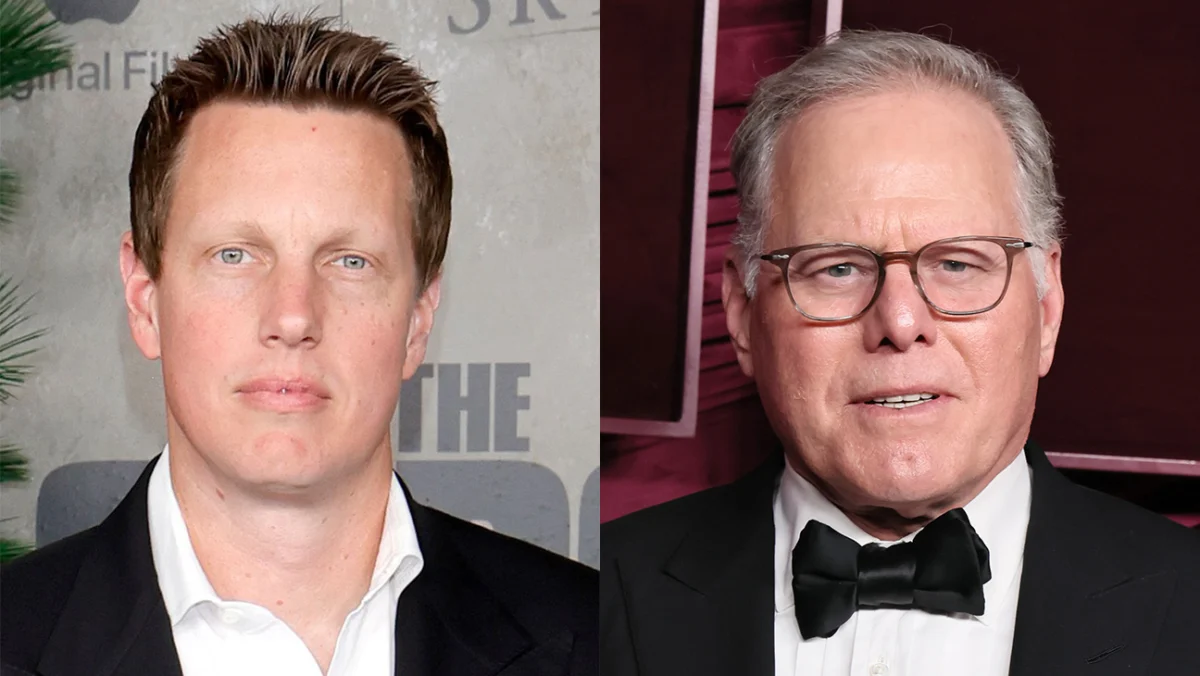
Warner Bros. Discovery (WBD) has officially set the date for its pivotal special meeting of shareholders, where the fate of the proposed $110 billion mega-deal with Skydance Media, backed by Paramount Global, will be decided. The company announced early Thursday that the crucial shareholder vote is slated for April 23, commencing at 10 a.m. Eastern Time. This move marks a significant milestone in what has been a complex and protracted negotiation process, potentially reshaping the landscape of the entertainment industry. The WBD Board of Directors has unanimously recommended that shareholders vote in favor of the transaction, underscoring their belief in its strategic value and financial benefits.
This upcoming vote represents the second special shareholder meeting convened by Warner Bros. Discovery this year, highlighting the dynamic and evolving nature of its corporate strategy. Previously, the company had scheduled a shareholder vote to approve a deal with Netflix. However, this plan was altered when WBD revealed it had simultaneously opened discussions with Paramount, aiming to secure what it described as a "best and final" offer. Ultimately, it was Paramount’s sweetened bid, facilitated by Skydance Media’s involvement, that emerged as the preferred option, leading to the current shareholder vote. The journey to this point has been characterized by intense deliberation, strategic maneuvering, and a clear objective from WBD’s leadership to maximize shareholder value.
The decision to proceed with the Skydance-backed Paramount deal has been framed by WBD’s leadership as a strategic imperative designed to unlock the full potential of its extensive and iconic asset portfolio. Samuel A. Di Piazza, Jr., the Chair of the Warner Bros. Discovery Board of Directors, articulated this rationale in a statement. "The WBD Board has been guided by the singular principle of securing a transaction that maximizes the value of our iconic assets and delivers as much certainty as possible to our shareholders," Di Piazza stated. He further emphasized the transformative potential of the proposed merger, adding, "This historic transaction with Paramount not only does that, but it will also expand consumer choice and develop new opportunities for creative talent." This perspective suggests a long-term vision that extends beyond immediate financial gains, encompassing the creative and consumer-facing aspects of the combined entity.
David Zaslav, the Chief Executive Officer of Warner Bros. Discovery, echoed this sentiment, expressing anticipation for the shareholder meeting. "We look forward to the upcoming Special Meeting," Zaslav remarked. "This transaction is the culmination of the Board’s robust process to unlock the full value of our world-class portfolio. I want to thank our talented team for transforming the business over the last several years. We are working closely with Paramount to close the transaction and deliver its benefits to all stakeholders." Zaslav’s comments highlight the intensive internal efforts undertaken to streamline and optimize WBD’s operations, positioning the company for this significant strategic move. The emphasis on collaboration with Paramount underscores the operational integration challenges and opportunities that lie ahead.
Background: A Strategic Pursuit Amidst Industry Consolidation
The proposed $110 billion mega-deal is not an isolated event but rather a significant development within a broader trend of consolidation and strategic realignment within the global media and entertainment industry. In recent years, major players have been seeking to scale their operations, diversify their content offerings, and achieve greater efficiencies in the face of evolving consumer habits, the proliferation of streaming services, and increasing competition. Warner Bros. Discovery itself is a product of a major merger, having been formed in April 2022 through the combination of WarnerMedia, owned by AT&T, and Discovery, Inc. This antecedent merger aimed to create a media powerhouse capable of competing more effectively in the streaming era.
The negotiations with Skydance and Paramount have been ongoing for a considerable period, marked by various proposals, counter-proposals, and the involvement of multiple potential suitors. Initially, there was significant interest from other parties, and WBD’s exploration of a deal with Netflix, though ultimately superseded, indicates a proactive approach to evaluating strategic alternatives. The complexity of the Paramount Global assets, including its storied film and television studios, its broadcast network, and its streaming services (Paramount+, Showtime), has made any potential transaction a highly intricate undertaking, requiring careful consideration of antitrust regulations, shareholder interests, and operational synergies.
Skydance Media, a production company founded by David Ellison, has been instrumental in orchestrating the current proposal. Their involvement is seen as a key factor in bridging potential divides and presenting a compelling financial and strategic framework that has garnered the support of the WBD board. The proposed structure of the deal aims to create a formidable entity with a diversified revenue stream and a vast library of intellectual property, spanning iconic franchises and beloved characters.
Timeline of Key Developments
The path leading to the April 23 shareholder vote has been a dynamic one:
- Early 2024: Initial reports and speculation emerge regarding potential strategic maneuvers for Warner Bros. Discovery, including discussions about mergers and acquisitions.
- February 2024: Warner Bros. Discovery schedules a special shareholder meeting to vote on a deal with Netflix.
- March 2024: WBD announces it has opened discussions with Paramount Global and concurrently delays the previously scheduled shareholder vote, indicating a shift in strategic focus. The company signals its intent to explore a "best and final" offer from Paramount.
- April 2024: Warner Bros. Discovery formally announces its agreement in principle with Skydance Media and Paramount Global for the $110 billion mega-deal.
- April 2024 (Early): Warner Bros. Discovery sets the date for its special shareholder meeting to vote on the transaction for April 23.
This chronological progression illustrates the rapid evolution of WBD’s strategic direction, moving from one potential transaction to another before landing on the current proposal with Skydance and Paramount. The accelerated timeline for the shareholder vote suggests a high degree of confidence from WBD’s leadership in the terms of the agreement.
Supporting Data and Market Context
The proposed $110 billion valuation for the combined entity reflects the immense scale and potential of the assets involved. Warner Bros. Discovery, post-merger with Discovery, boasts a portfolio that includes Warner Bros. Pictures, HBO, DC Studios, CNN, TNT, TBS, HGTV, Food Network, and Discovery Channel, among others. Paramount Global brings its own formidable assets, including the Paramount Pictures film studio, CBS Television Studios, Showtime, MTV, Nickelodeon, Comedy Central, and the streaming platforms Paramount+ and Showtime.
The media industry is currently valued in the hundreds of billions of dollars globally, with streaming services alone accounting for a significant portion of that. For instance, the global video streaming market size was valued at approximately USD 235.5 billion in 2023 and is projected to grow substantially in the coming years. A successful merger of WBD and Paramount would create a content powerhouse with a vast library of intellectual property, a global distribution network, and a diversified revenue model encompassing theatrical releases, television broadcasting, cable networks, and direct-to-consumer streaming.
However, the industry also faces significant challenges. The transition to streaming has been costly, with companies investing heavily in content and technology while grappling with subscriber acquisition and retention. Profitability in the streaming sector remains a key concern for many, and a consolidated entity might be better positioned to achieve economies of scale and streamline operations. Furthermore, the increasing cost of content production and the need for consistent innovation to capture audience attention are constant pressures.
Official Responses and Stakeholder Perspectives
The statements from Chairman Samuel A. Di Piazza, Jr., and CEO David Zaslav offer a clear indication of the WBD board’s unified stance. Their emphasis on maximizing shareholder value, delivering certainty, expanding consumer choice, and fostering new opportunities for creative talent provides the core rationale for the proposed deal. This framing suggests that the board believes the transaction addresses key strategic priorities and offers a clear path forward for the company.
While not directly quoted in the provided text, it is reasonable to infer that Paramount Global’s leadership, including its board and key stakeholders, have also reached a consensus on the terms of the deal, given their active participation in its development. Skydance Media, as a significant financial and strategic partner, would also have been deeply involved in the negotiation and approval processes.
The reaction from the broader market and industry observers will be crucial. Investors will be closely watching the shareholder vote, as well as analyzing the long-term implications for competition, content creation, and profitability within the media landscape. Analysts will likely be scrutinizing the financial projections, potential synergies, and integration plans to assess the deal’s ultimate success.
Broader Impact and Implications
The potential consummation of this $110 billion mega-deal carries significant implications for the future of the entertainment industry:
- Consolidation and Market Power: A combined WBD and Paramount entity would create one of the largest media conglomerates in the world, rivaling or surpassing existing giants. This increased market power could influence content production, distribution strategies, and advertising rates.
- Content Libraries and Intellectual Property: The merger would consolidate vast libraries of film and television content, including iconic franchises like Batman, Superman, Harry Potter, Star Trek, and Mission: Impossible, along with a diverse range of television programming. This consolidated IP could be leveraged across various platforms and formats.
- Streaming Landscape: The deal could reshape the competitive dynamics of the streaming market. A larger, more diversified streaming offering from the combined entity might present a stronger challenge to established players like Netflix, Disney+, and Amazon Prime Video. However, it could also lead to rationalization of overlapping services and content.
- Creative Talent and Production: The promise of "new opportunities for creative talent" suggests that the combined entity may seek to streamline production pipelines and leverage its scale to attract and retain top talent. However, the potential for consolidation could also lead to job losses in certain areas.
- Consumer Choice: The argument that the deal will "expand consumer choice" is a key point of emphasis. This could manifest through more bundled offerings, diverse content across a wider range of genres and demographics, and potentially more competitive pricing models.
- Antitrust Scrutiny: While not explicitly detailed in the provided text, any transaction of this magnitude would undoubtedly face rigorous scrutiny from antitrust regulators in various jurisdictions. The potential for market concentration and its impact on competition would be a primary concern.
The upcoming shareholder vote on April 23 represents a critical juncture for Warner Bros. Discovery and has the potential to set in motion a profound transformation of the global entertainment industry. The outcome will be closely watched by investors, industry professionals, and consumers alike, as it will shape the future of content creation, distribution, and consumption for years to come.