Jono Maryono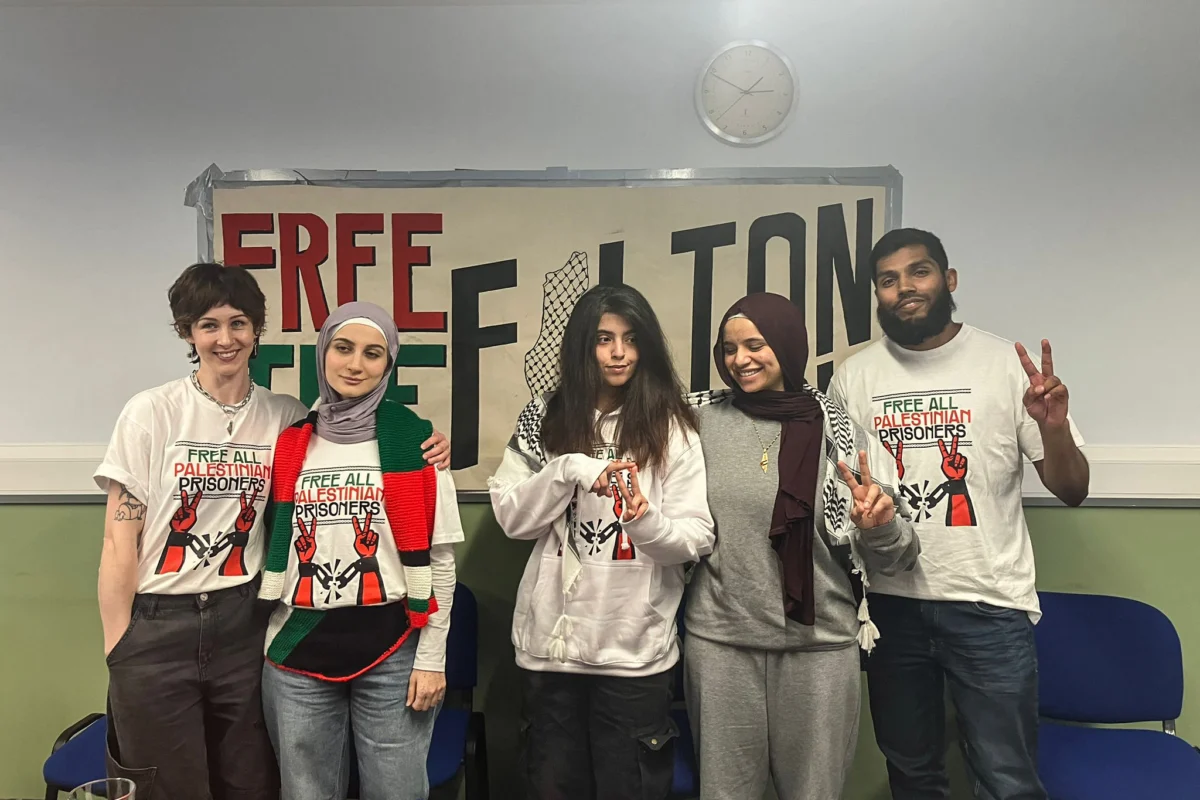
London, United Kingdom – A month after their release on bail, pro-Palestine activists who endured a months-long hunger strike in prison are preparing to initiate legal proceedings, alleging severe mistreatment and medical neglect during their incarceration. The activists, who were held on remand for 15 months in connection with a raid on the Elbit Systems UK factory in Filton, near Bristol, on August 6, 2024, spoke out at a news conference on Wednesday, detailing the profound physical and psychological toll their imprisonment has taken.
Lisa Minerva Luxx, a campaigner supporting the group, confirmed at the news conference that the defendants are “seeking to take legal action against the prisons for their medical neglect,” emphasizing that “legal action is due to take place.” The announcement comes as the activists, identified as part of the collective known as the "Filton 24," continue to grapple with the lasting health consequences of their prolonged hunger strike and alleged punitive measures within the prison system.
The legal action is anticipated to focus on systemic failures in providing adequate medical care and potentially on allegations of abuse and inhumane treatment. This development casts a critical spotlight on the conditions faced by individuals engaged in protest, particularly those who employ forms of direct action and civil disobedience.
Background to the Protests and Arrests
The protests by Palestine Action have consistently targeted companies they accuse of complicity in the Israeli arms trade and occupation of Palestinian territories. Elbit Systems UK, a subsidiary of the Israeli defence conglomerate Elbit Systems, has been a frequent focus of these demonstrations. The raid on the Elbit Systems UK factory in August 2024, which led to the arrest of the activists, involved alleged damage to property and other offenses. Palestine Action has maintained that their actions are a necessary response to what they term the UK’s complicity in the ongoing human rights abuses against Palestinians.
The broader context of the pro-Palestine movement in the UK has seen increased scrutiny and, at times, repression. The UK government’s proscription of Palestine Action as a “terror” group in July 2025, a decision later ruled unlawful by the High Court, significantly impacted the activists’ legal standing and, according to their accounts, worsened their treatment within the prison system. The High Court’s ruling that the proscription was unlawful was a significant victory for the group and paved the way for the bail of several key activists, including those now planning legal action.
Chronology of Events
- August 6, 2024: A raid takes place at the Elbit Systems UK factory in Filton, near Bristol. Eight young activists associated with Palestine Action are arrested in connection with the incident.
- November 2024: Eight activists linked to Palestine Action commence a rolling hunger strike in prison, protesting their detention and alleged mistreatment.
- July 2025: The UK government proscribes Palestine Action as a “terror” group. Activists claim this led to a deterioration in their treatment.
- January 2025: The months-long hunger strike by the activists concludes.
- February 2026: Four of the activists – Qesser Zuhrah, 21, Teuta Hoxha, 30, Kamran Ahmed, 28, and Heba Muraisi, 31 – are granted bail following a High Court ruling that the proscription of Palestine Action was unlawful. They had been held on remand for 15 months.
- March 2026: The bailed activists hold a news conference to detail their experiences and announce their intention to pursue legal action against the prisons for alleged medical neglect and mistreatment.
- April 2026 (Anticipated): The Home Office’s appeal against the High Court’s decision regarding the proscription of Palestine Action is scheduled to be heard.
The Hunger Strike and its Health Ramifications
The hunger strike, initiated in November 2024 and lasting until January 2025, was a drastic measure undertaken by the activists to protest their prolonged detention and alleged injustices. Reports from the news conference reveal the severe and enduring health consequences experienced by those who participated.
Heba Muraisi, who abstained from food for an extraordinary 73 days, shared her ongoing struggles with “neurological issues.” She described alarming physical symptoms, stating, “My hair is still falling out in chunks, I can’t walk long distances without needing to take a break. Physically and mentally, I’m still recovering. I’m still not there yet.” Her account highlights the extreme physical demands of such a protest and the long road to recovery, underscoring the serious health risks involved.
Muraisi also detailed her experiences within the prison environment, particularly after Palestine Action was proscribed. She alleged she was physically assaulted to the point of being “thrown out of me,” subjected to regular solitary confinement, and had her keffiyeh confiscated. This forced her to use a pillowcase as a headscarf for prayer, a symbolic act that underscored the perceived disrespect and dehumanization she endured. The transfer of Muraisi to a jail in northern England, far from her family, further exacerbated her distress, with prison authorities reportedly refusing to disclose her destination, preventing her unwell mother from visiting for five months. Crucially, she claimed a lack of electrolytes during her hunger strike, only receiving vitamins after 30 days, a significant concern for those undergoing prolonged fasting.

Qesser Zuhrah, who refused food for nearly 50 days, described her detention as a “calculated regime of isolation.” She recounted being subjected to prolonged confinement without apparent reason, which left her feeling “like a ghost of myself.” Zuhrah detailed a disturbing incident where, after asking guards to unlock the cell of a claustrophobic inmate suffering from suicidal thoughts, she was allegedly assaulted. She described being “grabbed my arms, exposed my body, dragged me through the landing and up a metal staircase, and threw me into my cell against the metal bed frame.” Similar to Muraisi, Zuhrah alleged denial of electrolytes and delayed provision of vitamins. She also spoke of guards attempting to "tempt me with food" and described "cruel tactics" that impacted her health. A particularly harrowing allegation involved being left “paralysed with muscle wastage on my cell floor for 22 hours” on the 45th or 46th day of her hunger strike, leading her to believe “they left me to die.”
Kamran Ahmed, who participated in the hunger strike for 66 days, continues to suffer from chest pains and breathlessness. He reported being handcuffed to an officer while showering in hospital, a measure typically reserved for individuals deemed a flight risk or a danger. Ahmed stated, “I was chained so tight that even today I still bear the marks of the cuffs.” His account also included being forced to walk without shoes, navigating unsanitary conditions in public toilets.
Teuta Hoxha underwent two hunger strikes during her 15-month remand. During her second protest, she lost 20 percent of her body weight and described being “defecating my muscle mass in hospital whilst chained to an officer like a dog.” Hoxha also alleged witnessing guards threatening other prisoners with lengthy sentences for expressing support for Palestine. She recounted a disturbing analogy used by a prison counterterrorism lead, who allegedly compared pro-Palestine sentiment to neo-Nazi symbolism. Furthermore, she stated that other inmates were warned against associating with them due to their perceived “terrorist” status. Despite these alleged experiences, Hoxha asserted that “the British state failed to disappear our resistance.”
The activists’ claims of medical neglect, including the alleged denial of essential electrolytes and delayed vitamin supplements, raise serious questions about the adherence to international standards of care for prisoners, particularly those engaged in hunger strikes. The World Medical Association’s Declaration of Tokyo and the UN’s Standard Minimum Rules for the Treatment of Prisoners (the Mandela Rules) both outline ethical guidelines regarding the treatment of hunger strikers, emphasizing that medical professionals should not be pressured to force-feed prisoners who are capable of making their own decisions. However, the activists’ allegations suggest a potential violation of these principles.
Support and Reactions
The news conference served as a platform for the activists to articulate their grievances and garner public support. The campaign group supporting them, Lisa Minerva Luxx, highlighted the systemic nature of the alleged mistreatment. The legal action they plan to pursue signifies a determined effort to hold the authorities accountable for what they describe as a period of profound suffering and neglect.
While the Ministry of Justice has previously denied allegations of mistreatment during the hunger strike, the activists’ detailed testimonies are likely to intensify scrutiny. Al Jazeera has reportedly contacted the Ministry of Justice for a response to the latest allegations. The outcome of any legal proceedings could have significant implications for the treatment of political protesters and the interpretation of prison regulations concerning medical care and humane treatment.
Broader Implications and Analysis
The planned legal action by the Palestine Action activists underscores a growing trend of individuals and groups seeking legal recourse to challenge state actions they deem unjust. The case highlights the complex intersection of political activism, freedom of expression, and the rights of individuals within the justice system.
The High Court’s ruling that the proscription of Palestine Action was unlawful was a significant blow to the government’s efforts to suppress the group. The upcoming appeal by the Home Office in April will be a crucial determinant of whether the group remains proscribed or if the court’s initial decision is upheld. This legal battle has wider implications for how protest groups are categorized and treated by the state.
The allegations of mistreatment also resonate with broader concerns about the conditions within UK prisons, particularly for those held on remand or subjected to enhanced security measures. The activists’ experiences, if proven in court, could contribute to ongoing debates about prison reform and the need for greater transparency and accountability in the correctional system.
The activists’ decision to pursue legal action, despite the physical and emotional toll they have already endured, demonstrates their unwavering commitment to seeking justice. Their experiences, as recounted at the news conference, provide a stark and deeply personal account of the challenges faced by activists who engage in direct action and the potential consequences of their dissent within the confines of the legal and penal systems. The success of their legal challenge could set a precedent for future cases involving allegations of prison mistreatment and the rights of political prisoners.