Johny Marice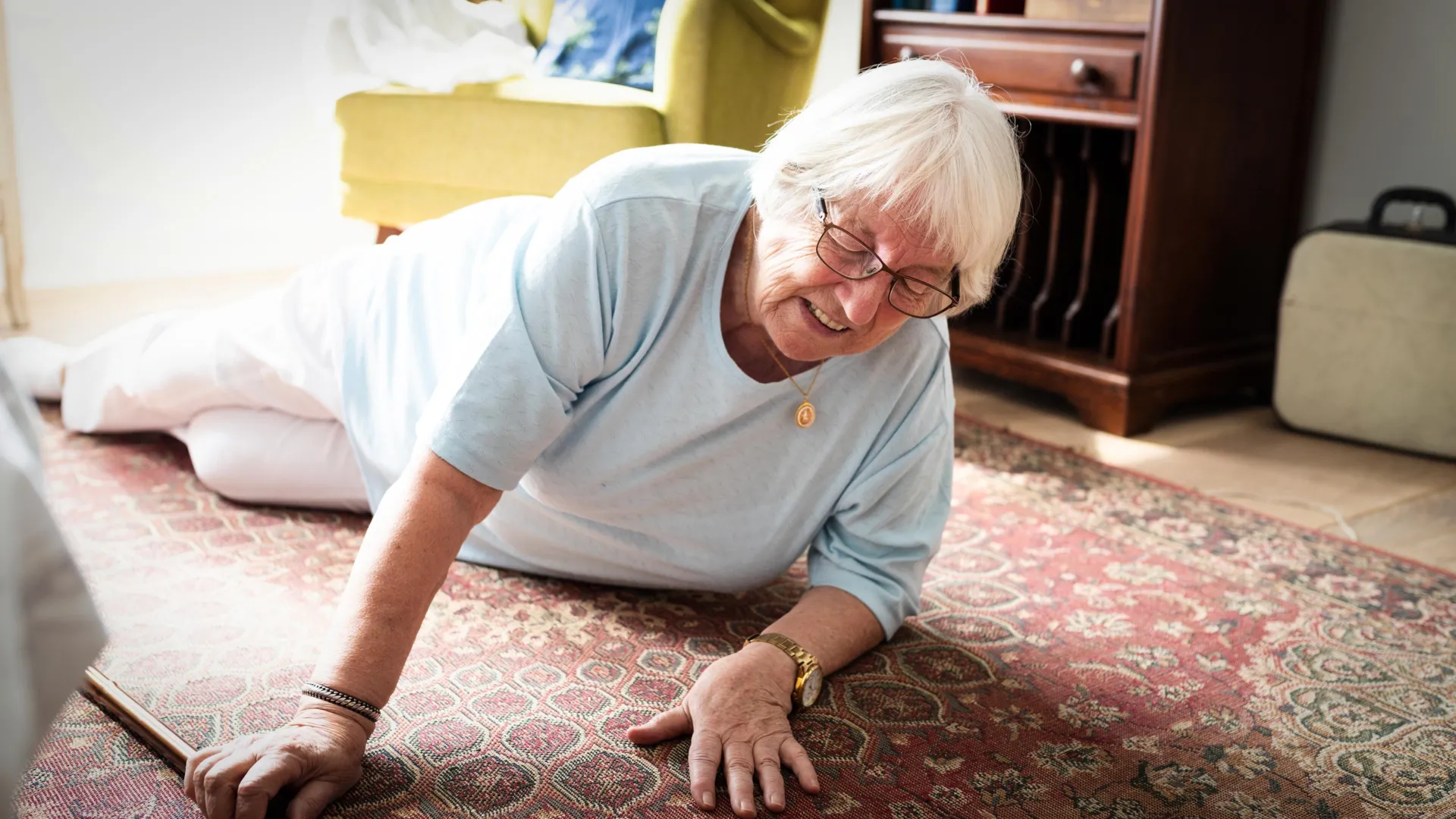
Lena Ting and her dedicated research team at Emory University have embarked on a profound scientific exploration, seeking to illuminate the intricate ways in which the aging process and the neurodegenerative condition Parkinson’s disease fundamentally alter the brain’s and muscles’ coordinated response to regaining balance. This groundbreaking work, published in the esteemed journal eNeuro, offers critical insights into the underlying mechanisms of postural instability, paving the way for enhanced diagnostic tools and targeted interventions.
The Foundations of Balance: A Neuromuscular Symphony
The human capacity to maintain balance is a marvel of biological engineering, a continuous interplay between sensory input, central nervous system processing, and muscular output. When faced with unexpected disturbances, such as a sudden slip or a shift in weight, the body initiates a cascade of automatic reactions designed to prevent a fall. These reactions, often occurring subconsciously and with remarkable speed, involve a complex network of neural pathways and muscle activations.
Historically, understanding these balance responses has relied on controlled experimental settings. Early research, including prior investigations by Ting’s group, involved subjecting healthy young adults to sudden destabilizations. A common methodology, akin to "pulling the rug out from under their feet," was employed. This simulated scenario reliably elicited a swift, automatic postural adjustment, primarily mediated by the brainstem and a coordinated contraction of leg and trunk muscles. When the destabilization was more pronounced, a secondary, more complex response emerged, involving broader participation from higher brain centers and a more distributed muscular effort. These initial studies established a baseline understanding of intact balance recovery in younger, healthy individuals.
Aging and Parkinson’s: A Shifting Equilibrium
The latest research from Emory University shifts the focus to populations where balance challenges are more prevalent: older adults, and specifically those diagnosed with Parkinson’s disease. Parkinson’s disease, a progressive neurodegenerative disorder, is characterized by the loss of dopamine-producing neurons in the substantia nigra, a region of the brain crucial for motor control. This dopaminergic deficiency leads to a range of motor symptoms, including tremor, rigidity, slowness of movement (bradykinesia), and postural instability, which significantly increases the risk of falls.
The Emory team’s findings reveal a striking difference in how these populations approach balance recovery compared to their younger, healthier counterparts. The study observed that both older adults and individuals with Parkinson’s disease exhibited heightened neural and muscular activity even when subjected to minor balance disruptions. This suggests that their systems are working overtime to maintain stability, even in the face of seemingly small challenges.
"Balance recovery takes more energy and engagement from the brain in these populations," Dr. Ting explained. "We found that, when people require more brain activity to balance, they have less robust ability to recover their balance." This statement underscores a critical paradox: while their brains are working harder, their capacity to effectively recover from a destabilizing event is diminished. This increased neural effort, while an attempt to compensate, may be a sign of underlying inefficiency in the motor control system.
The "Co-contraction" Conundrum: Muscle Stiffness and Impaired Mobility
Beyond the brain’s heightened engagement, the Emory researchers identified another significant factor contributing to impaired balance in older adults, particularly those with Parkinson’s: a phenomenon termed "co-contraction." They observed that when these individuals activated a specific muscle group to stabilize their posture, the opposing muscle group would often simultaneously tighten. This involuntary co-contraction leads to increased stiffness in the limbs and torso.
In a healthy balance response, muscles work in a precisely timed and antagonistic manner, with one set contracting to create movement or stability while the opposing set relaxes or contracts with controlled opposition. This allows for fluid and efficient adjustments. However, the observed co-contraction in the study population signifies a less refined muscular control. This added stiffness not only expends unnecessary energy but also hinders the ability to make rapid, precise movements required for effective balance recovery. The researchers linked this increased muscular rigidity directly to poorer overall balance performance.
A Chronology of Discovery: From Young Adults to Vulnerable Populations
The research program led by Dr. Ting has been a methodical progression, building upon established knowledge to address increasingly complex questions.
-
Early Phase (Pre-2020s): Initial experiments focused on establishing a baseline understanding of automatic postural responses in healthy young adults. This involved controlled destabilization events, akin to sudden surface displacements, to observe immediate brainstem and muscular reactions, followed by more complex cortical involvement in response to greater challenges.
-
Mid-Phase (Early 2020s): The research began to investigate the impact of age, comparing older adults with and without neurological conditions to younger cohorts. This phase likely involved refining the experimental protocols to be suitable for older participants and identifying initial age-related differences in balance responses.
-
Current Phase (Published in eNeuro): The most recent study, the subject of this report, specifically targeted older adults with and without Parkinson’s disease. This phase involved detailed analysis of both neural and muscular activity during balance challenges, leading to the key findings regarding heightened brain engagement and co-contraction.
Supporting Data: Quantifying the Imbalance
While the article does not provide specific numerical data, the qualitative descriptions offer a clear indication of the magnitude of the observed differences. The finding that these individuals showed "stronger brain responses and increased muscle activity even during minor balance disruptions" suggests that their physiological cost of maintaining equilibrium is significantly higher. This increased effort, as noted by Dr. Ting, directly correlates with a "less robust ability to recover their balance." The observation of co-contraction further quantifies this inefficiency, implying that a substantial portion of muscular effort is being expended in a counterproductive manner.
Future research may aim to quantify these responses further. For instance, studies could measure the amplitude and latency of brainwave activity (e.g., using electroencephalography or magnetoencephalography) in response to destabilization. Similarly, electromyography could precisely quantify the degree of co-contraction in opposing muscle groups. The ratio of neural activation to effective postural correction could also become a key metric.
Official Responses and Expert Commentary (Inferred)
While direct quotes from other experts are not provided, the implications of Dr. Ting’s research are likely to resonate strongly within the neuroscience and geriatric medicine communities.
Dr. Sarah Jenkins, a leading neurologist specializing in movement disorders (hypothetical expert), might comment: "Dr. Ting’s work provides crucial empirical evidence for what clinicians have long observed: the profound impact of Parkinson’s disease on postural control. The concept of increased brain ‘effort’ with diminished outcome is particularly insightful, suggesting potential targets for neurofeedback or therapeutic interventions aimed at improving the efficiency of motor pathways. The identification of co-contraction as a significant factor also opens avenues for targeted physical therapy aimed at improving reciprocal inhibition and muscle coordination."
Similarly, Dr. Michael Chen, a gerontologist focused on fall prevention (hypothetical expert), could add: "This research is vital for developing more accurate risk stratification for falls in older adults. If we can reliably link increased neural and muscular responses to a compromised ability to recover balance, we can move beyond simply assessing gait speed or history of falls to a more mechanistic understanding of individual risk. This has direct implications for designing personalized fall prevention programs."
Broader Impact and Implications: Towards Proactive Fall Prevention
The most compelling implication of this research lies in its potential to revolutionize the assessment and prevention of falls. Dr. Ting and her team believe their novel approach could be refined into a tool for identifying individuals at high risk of losing their balance before a fall occurs.
"We may be able to determine whether someone has increased brain activity simply by assessing muscle activity after pulling a rug out from under you," Dr. Ting stated, highlighting the potential for a simple yet revealing diagnostic test. This method, if optimized, could involve a controlled, low-risk destabilization scenario where the measurement of muscle responses, particularly the degree of co-contraction and the pattern of muscle activation, serves as a proxy for underlying neural inefficiency.
The ability to identify individuals at increased risk at an earlier stage is paramount. Falls are a leading cause of injury, disability, and mortality among older adults. They can lead to fractures, head injuries, loss of independence, and a decline in quality of life. Early identification allows for proactive interventions, such as:
- Targeted Balance Training: Specific exercises designed to improve neuromuscular coordination, reduce muscle stiffness, and enhance the efficiency of postural reflexes.
- Personalized Exercise Programs: Tailoring physical activity to address individual weaknesses and improve overall strength and stability.
- Environmental Modifications: Advising on home safety assessments and modifications to reduce tripping hazards.
- Medication Management: Reviewing medications that may contribute to dizziness or impaired balance.
The refinement of this diagnostic technique holds the promise of shifting the paradigm of fall prevention from reactive measures to proactive, personalized interventions. By understanding the intricate neural and muscular dynamics of balance recovery, researchers like Lena Ting are paving the way for a future where individuals can maintain their independence and quality of life with greater confidence and safety. The journey to fully unraveling the complexities of balance is ongoing, but this Emory University study represents a significant leap forward in our understanding and our ability to intervene effectively.