Layla Zulfa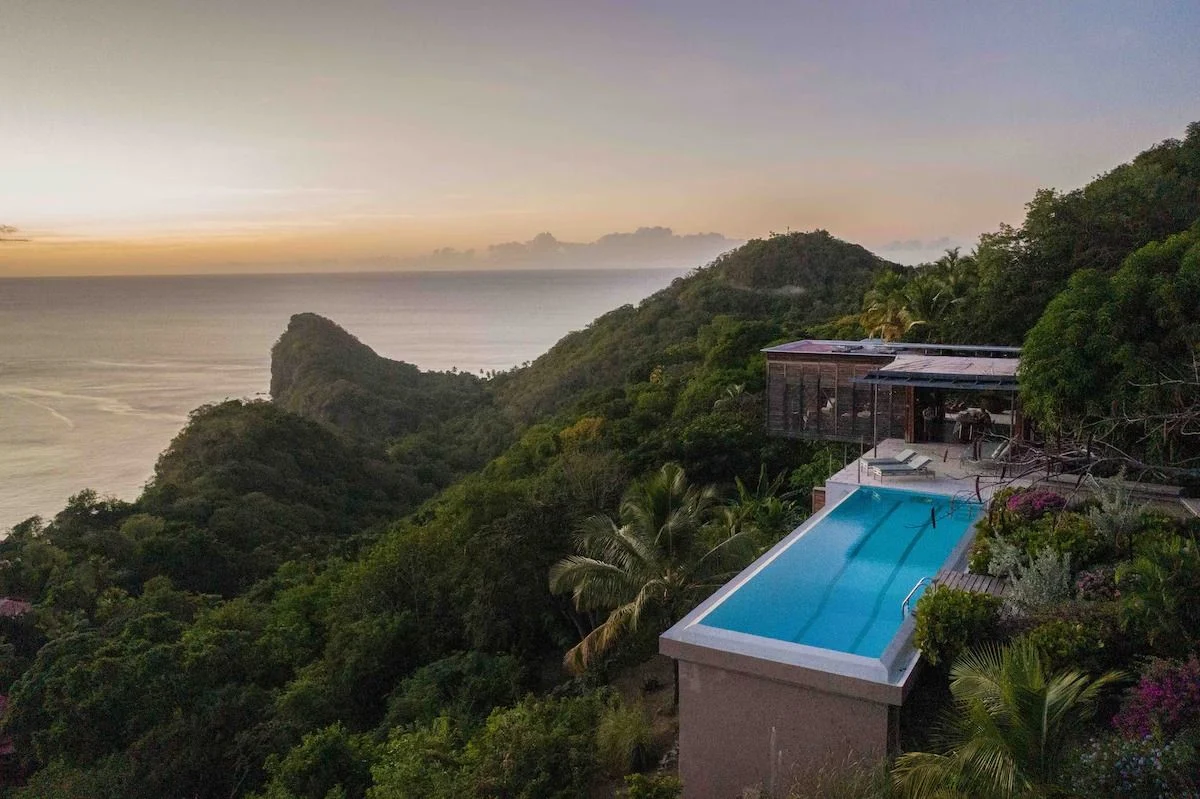
The Caribbean archipelago, a sprawling expanse of more than 7,000 islands, cays, and reefs, is currently undergoing a significant transformation in its hospitality sector. While the region has long been defined by its high-density, all-inclusive resorts, a new era of travel is emerging—one characterized by architectural diversity, local ownership, and hyper-localized experiences. This shift is driven by a global demand for "slow travel" and a desire for accommodations that reflect the specific cultural and topographical nuances of individual islands. From the volcanic peaks of St. Lucia to the arid, cactus-dotted landscapes of Curaçao, the Caribbean is no longer viewed as a monolith but as a kaleidoscopic collection of distinct sovereign states and territories, each offering a unique value proposition to the modern traveler.
The Evolving Landscape of Caribbean Tourism and Short-Term Rentals
The Caribbean Tourism Organization (CTO) reported a robust recovery in 2023, with international arrivals increasing by approximately 14.3% compared to the previous year. Within this growth, the short-term rental market, led by platforms like Airbnb, has carved out a significant niche. According to industry analysts, travelers are increasingly bypassing traditional hotel corridors in favor of "design-forward" properties that offer privacy and a sense of place. This trend is particularly evident in the rise of boutique villas and lofts that prioritize architectural integrity over mass-market appeal.
The chronology of this shift can be traced back to the mid-2010s, but it accelerated sharply following the COVID-19 pandemic. As remote work became a viable long-term option, the "digital nomad" demographic sought out stays that provided functional workspaces alongside luxury amenities. This led to a surge in renovations of historic properties and the construction of eco-conscious villas that integrate seamlessly with the natural environment. Today, the most sought-after stays in the region are those that act as gateways to the local community rather than insulated enclaves.
Architectural Innovation in Urban San Juan: NOA by DW and Japandi Lofts
Puerto Rico has positioned itself as a leader in this architectural renaissance. In the capital of San Juan, developers are increasingly looking toward midcentury modern and minimalist aesthetics to differentiate their offerings. NOA by DW serves as a primary example of this "retro-revival." This four-bedroom sanctuary utilizes vintage terrazzo floors and geometric breeze blocks to evoke the midcentury cool of 1950s Palm Springs, yet anchors the design in the Caribbean through the use of tropical foliage-themed wallpaper and local rattan furniture. The property’s rooftop deck, featuring a custom soaking tub, reflects a growing trend in urban Caribbean design: the maximization of vertical space to provide private outdoor sanctuaries within dense city environments.
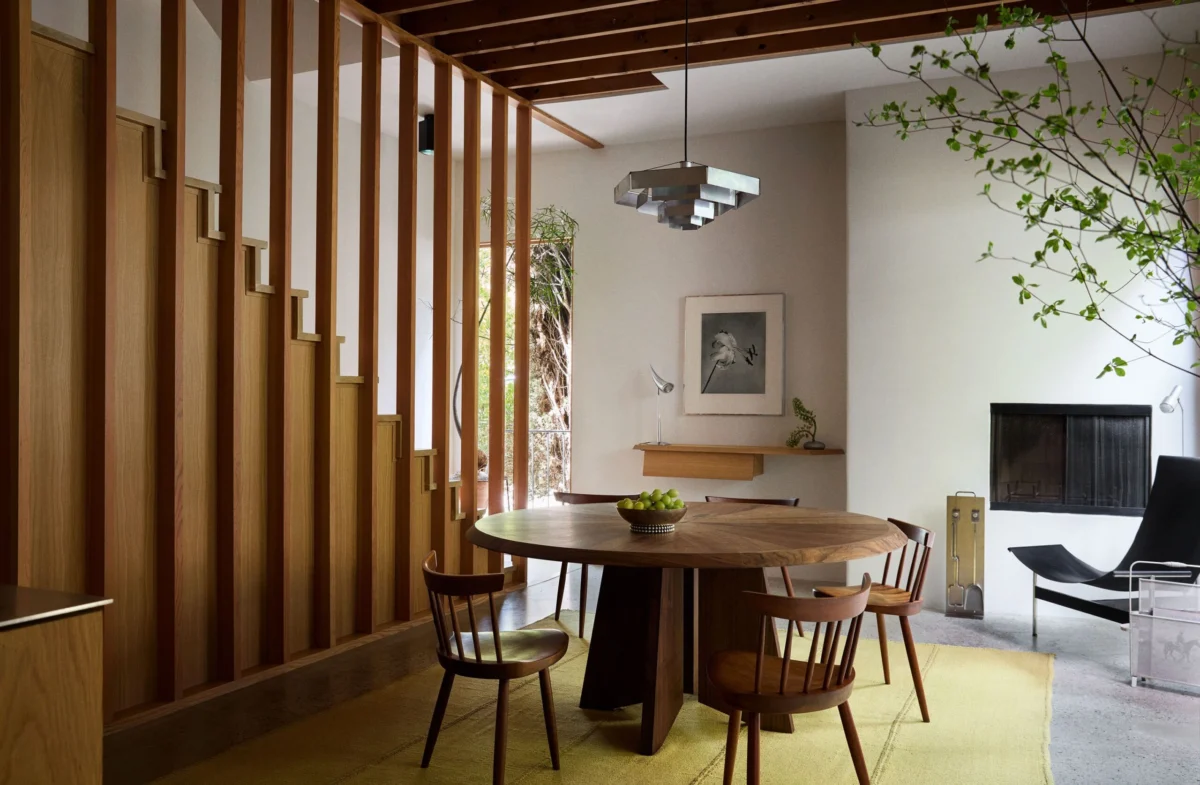
Simultaneously, the "Japandi" movement—a fusion of Japanese minimalism and Scandinavian functionality—has found a surprising home in San Juan. A notable Japandi loft in the city demonstrates how light grey stucco walls and wood accents can create a meditative atmosphere that contrasts with the vibrant, often chaotic energy of the city. These properties represent a broader movement among Puerto Rican entrepreneurs to move away from the "colonial-style" aesthetic and toward a more contemporary, global design language.
Coastal Minimalism and the Seven Mile Beach Premium
The Cayman Islands, particularly Grand Cayman, remain one of the most expensive and exclusive markets in the region. Seven Mile Beach continues to be the epicenter of this demand. Recent data suggests that the "luxury cottage" and "boho-style" apartment segments are seeing the highest occupancy rates. These properties, such as the Boho-Style Beach Villa, utilize stark white walls and gleaming wood ceilings to create an airy, expansive feel that mirrors the clarity of the surrounding waters.
In this market, the perk of "beach equipment availability" is no longer a luxury but a baseline expectation. The integration of high-end kitchen gadgets and polished coastal aesthetics in properties like the Luxury Cottage near Seven Mile Beach indicates a shift toward catering to travelers who prefer self-sufficiency without sacrificing the amenities of a five-star hotel. This "polished island living" model is a direct response to the increasing cost of traditional luxury hotel stays in the Caymans, which can often exceed $1,000 per night during peak season.
Ecological Integration in the Dominican Republic and St. Lucia
As sustainability moves to the forefront of the global travel conversation, the Dominican Republic and St. Lucia have become hubs for eco-luxury. In the hills above Jarabacoa, a region known as the "Dominican Alps," modern guesthouses are being built with floor-to-ceiling glass to minimize the barrier between the interior and the rugged mountain landscape. This design philosophy prioritizes "visual immersion," allowing guests to observe the sunrise over valley peaks directly from their living spaces.
In St. Lucia, the architectural challenge has always been the island’s dramatic topography. The most memorable stays here, such as high-altitude eco-villas, are often built 500 feet or more above sea level. These structures frequently utilize "open-wall" designs, where three sides of a room are enclosed while the fourth remains open to the elements, providing uninterrupted views of the Pitons—the island’s iconic volcanic spires. This style of architecture requires specialized engineering to manage tropical weather patterns while maintaining a luxury feel, often incorporating mosquito-netted four-poster beds and teak louvered doors.
Specialized Water-Centric Accommodations: The Bahamas and Curaçao
The "overwater bungalow" concept, once exclusive to the Maldives and French Polynesia, has finally gained a foothold in the Caribbean, particularly in the Bahamas. Perched above the shallow, clear waters of the Bahamian banks, these structures offer direct ocean access and a "castaway" fantasy. However, the Caribbean version of the overwater bungalow often includes modern technological integrations, such as full-wall projectors and high-speed Wi-Fi, catering to a demographic that wants to disconnect from society without disconnecting from the grid.
In Willemstad, Curaçao, the focus has shifted toward private saltwater pools and open-concept granite bathrooms. Properties here often feature "stepping stones over water" that lead into spacious living areas, blending the pool and the home into a single aquatic environment. This architectural trend is supported by Curaçao’s push to market itself as a premier destination for mountain biking and world-class snorkeling, positioning the accommodation as a recovery hub for active tourists.
Economic Impact and the Shift Toward Local Ownership
The rise of high-end Airbnb listings has significant implications for local Caribbean economies. Traditional hotel chains often operate under "leakage" models, where a large percentage of the revenue leaves the island to go to international corporate headquarters. In contrast, locally-owned short-term rentals tend to keep a higher share of the profits within the community.
Tourism officials in Barbados and Trinidad and Tobago have noted that the diversification of the lodging sector allows for a more resilient economy. For instance, Villa Blanca in Barbados, a four-bedroom luxury villa, encourages guests to frequent local establishments like the One Eleven Beach Club through strategic partnerships and discounts. This "integrated tourism" model helps distribute tourist spending across a wider range of local businesses, from grocery delivery services to private chefs and boat tour operators.
Analysis of the "Boutique Basecamp" Trend in Trinidad
Trinidad and Tobago offers a distinct contrast to the sun-and-sand model of the northern Caribbean. Here, the "Tropical Hillside Studio" at the foot of El Tucuche represents the rise of the "boutique basecamp." These properties are designed for eco-tourists and birdwatchers rather than beachgoers. The use of raised sleeping platforms and airy lounge spaces caters to a demographic that prioritizes proximity to jungle treks and biodiversity. With prices starting as low as $78 per night, this segment of the market demonstrates that "memorable" stays are not always synonymous with "expensive," provided the design and location offer a unique narrative.
Future Outlook and Sustainability Implications
The future of Caribbean accommodations will likely be defined by two factors: climate resilience and technological integration. As the region faces more frequent and intense weather events, architects are turning to geometric breeze blocks, reinforced concrete, and "living roofs" to protect properties while maintaining aesthetic appeal.
Furthermore, the "smart villa" is becoming the standard. Features once considered premium—such as Smeg appliances in St. Martin’s Villa Coco or the full-wall projectors found in Bahamian bungalows—are becoming essential for attracting high-net-worth travelers. The Caribbean is no longer just a destination for relaxation; it is a competitive arena for architectural innovation and experiential luxury.
In conclusion, the Caribbean’s most memorable places to stay in 2024 and beyond are those that reject the "one-size-fits-all" approach of the past. By leveraging local materials, prioritizing environmental integration, and offering unique design perspectives, these properties are redefining what it means to vacation in the region. Whether it is a Japandi loft in the heart of San Juan or an overwater bungalow in the Bahamas, the modern Caribbean stay is as much about the structure itself as it is about the sea and the sand. This evolution not only enhances the traveler’s experience but also secures the region’s position as a global leader in sophisticated, sustainable, and culturally-relevant tourism.