Ferry Irwandi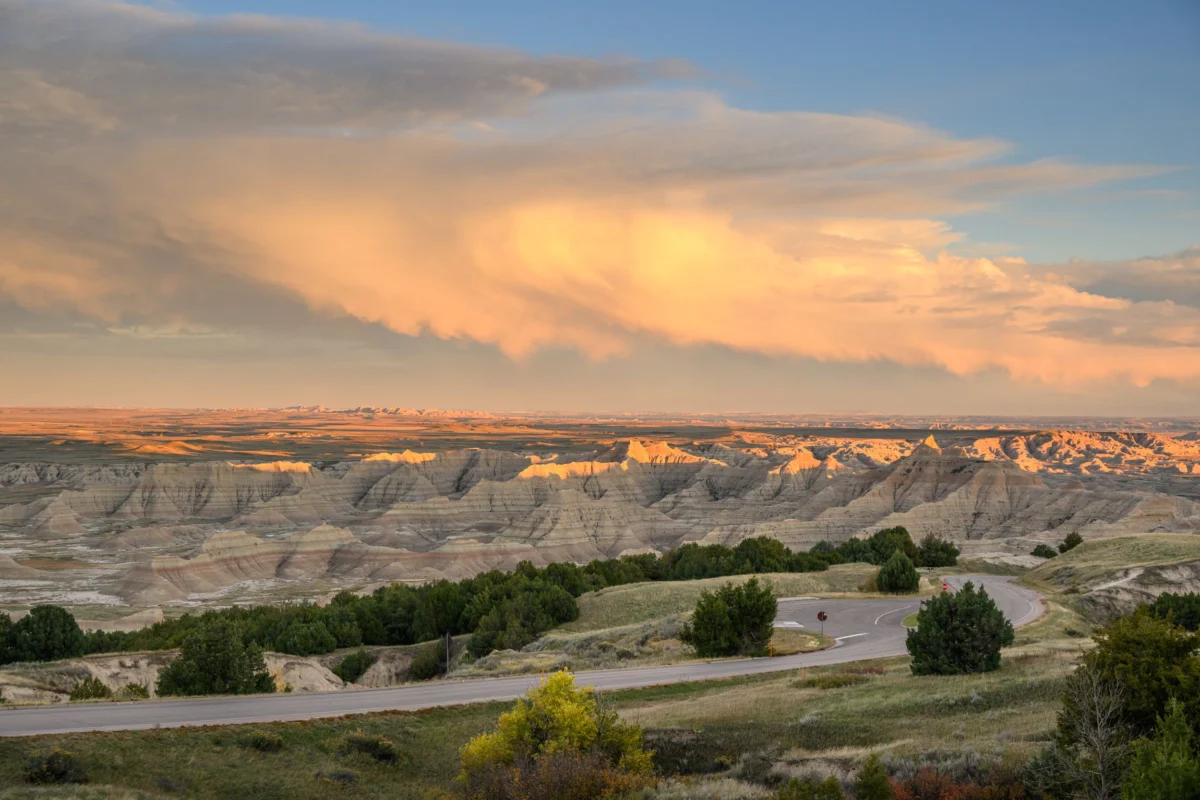
Badlands National Park, a 244,000-acre expanse of eroded pinnacles, spires, and grass prairies, represents one of the most significant geological and paleontological resources in the United States. While the park is a primary driver of tourism in western South Dakota, the region’s inherent remoteness presents unique logistical challenges for travelers and park management alike. As visitor interest in the National Park System continues to rise, understanding the intersection of environmental conservation, seasonal climate extremes, and infrastructure limitations is essential for maintaining the integrity of the site and the quality of the visitor experience.
The park is characterized by its "badlands" topography—a term derived from the Lakota phrase "Mako Sica"—which refers to the difficult-to-traverse terrain created by millions of years of sedimentary deposition and subsequent erosion. Today, the park serves as a critical habitat for endangered species and a focal point for celestial observation, yet the scarcity of luxury accommodations and high-density lodging within its immediate vicinity necessitates careful strategic planning for those navigating the rugged landscape of the Great Plains.
Historical and Geological Context: A Timeline of Transformation
The history of Badlands National Park spans roughly 75 million years, beginning in the Late Cretaceous period when a shallow inland sea covered the region. The layers of sediment visible today—ranging from the Pierre Shale to the Sharps Formation—provide a chronological record of environmental shifts from marine environments to tropical floodplains and, eventually, to the semi-arid grasslands of the present day.
The human history of the region is equally profound. For centuries, the Great Plains were home to the Oglala Lakota people, who utilized the land for hunting and spiritual purposes. The 19th and 20th centuries brought significant changes, beginning with the homesteading movement and culminating in the federal protection of the landscape.
- 1929: The United States Congress authorized the establishment of Badlands National Monument.
- 1939: President Franklin D. Roosevelt officially proclaimed the area as a National Monument.
- 1976: The Badlands Wilderness was established, protecting 64,144 acres from development.
- 1978: The site was officially redesignated as Badlands National Park, granting it the highest level of federal protection.
Geologically, the park continues to change at a rapid rate. Erosion consumes the badlands formations at an average rate of one inch per year. Scientists estimate that within the next 500,000 years, the iconic spires and canyons will be completely leveled, underscoring the ephemeral nature of this protected landscape.
Infrastructure and Accommodation Challenges in Remote Landscapes
One of the most pressing issues for regional tourism is the lack of diverse lodging options in the immediate vicinity of the park. Unlike national parks located near major urban centers or developed resort towns, Badlands National Park is situated in a sparsely populated sector of South Dakota. This remoteness preserves the "dark sky" status of the park—making it a premier destination for stargazing—but limits the availability of vacation rentals and high-end hospitality services.
Travelers generally choose between three primary hubs, each offering different strategic advantages:
Interior, South Dakota
Located directly adjacent to the park’s southern boundary, Interior provides the most immediate access to the Ben Reifel Visitor Center and the Cedar Pass Lodge. However, the town’s small population and limited commercial infrastructure mean that lodging is frequently booked months in advance, particularly during the peak summer months.
Wall, South Dakota
Situated north of the park along Interstate 90, Wall is most famous for the Wall Drug Store, a massive tourist complex that has served travelers since 1931. Wall serves as a critical gateway for those entering the park via the Pinnacles Entrance. While it offers more motels and dining options than Interior, the inventory remains modest compared to national tourism standards.
Rapid City, South Dakota
As the regional metropolitan hub, Rapid City is located approximately 60 miles west of the park. With a population exceeding 75,000, it provides the most robust infrastructure, including the Rapid City Regional Airport (RAP), major hotel chains, and diverse culinary options. For many visitors, Rapid City serves as a central "base camp" because it is positioned roughly halfway between Badlands National Park and Mount Rushmore National Memorial, allowing for efficient multi-day itineraries.
Seasonal Dynamics and Environmental Constraints
The climate of western South Dakota is one of extremes, which dictates the ebbs and flows of tourism. The National Park Service (NPS) frequently issues advisories regarding the "shoulder seasons"—spring and fall—as the most temperate times for exploration.
In the summer, temperatures regularly exceed 100 degrees Fahrenheit (38°C), and the lack of natural shade within the park’s formations increases the risk of heat-related illnesses for hikers. Conversely, winter temperatures can plummet well below zero, often accompanied by high winds and heavy snowfall that can lead to temporary road closures.
Data from the NPS indicates that visitor volume peaks in July and August. However, environmental experts suggest that the "lush" period of late May and early June offers the best balance of wildlife visibility and manageable temperatures. During this time, the mixed-grass prairie is at its most vibrant, providing a stark contrast to the ochre and grey hues of the sedimentary buttes.
Wildlife Conservation and Biodiversity
Badlands National Park is a sanctuary for several species that were once on the brink of extinction. The park’s management focuses heavily on the restoration of the native ecosystem, which includes the following key species:
- American Bison: Once numbering in the tens of millions across North America, bison were nearly wiped out by the late 19th century. The park currently manages a healthy herd of approximately 1,200 bison, maintaining genetic diversity through careful monitoring.
- Black-Footed Ferret: Often cited as one of the rarest mammals in North America, the black-footed ferret was once thought to be extinct. Through a dedicated reintroduction program involving the NPS and the U.S. Fish and Wildlife Service, the Badlands have become a critical site for the recovery of this nocturnal predator.
- Bighorn Sheep: Reintroduced to the park in the 1960s, these animals are frequently sighted on the steep cliffs and rocky outcroppings, showcasing the park’s vertical biodiversity.
The presence of these animals necessitates strict visitor regulations. The NPS mandates a minimum distance of 100 feet from most wildlife and 25 yards from larger mammals like bison to ensure both animal welfare and human safety.
Economic Impact and Regional Tourism Integration
The economic significance of Badlands National Park to the state of South Dakota cannot be overstated. According to the 2022 National Park Visitor Spending Effects report, over 1 million visitors to Badlands National Park spent an estimated $77 million in local gateway regions. This spending supported approximately 1,100 jobs and had a total cumulative benefit to the state economy of over $100 million.
The park is a key component of the "Black Hills and Badlands" circuit, a tourism corridor that includes:
- Mount Rushmore National Memorial: 75 miles west of the Badlands.
- Custer State Park: Famous for its "Wildlife Loop" and granite spires.
- Crazy Horse Memorial: An ongoing mountain carving honoring the Oglala Lakota warrior.
- Wind Cave National Park: One of the world’s longest and most complex caves.
The proximity of these sites allows for a concentrated tourism economy, but it also puts pressure on the regional transportation network. Tourism officials have noted that the "two-hour gap" between the Badlands and the Black Hills is a critical window where travelers require services, leading to the growth of small-scale businesses along Highway 44 and I-90.
Digital Integration and the Future of Exploration
As the demographic of national park visitors shifts toward younger, tech-savvy travelers, digital tools are playing an increasingly important role in park navigation and safety. Applications like AllTrails have become essential for hikers navigating the park’s backcountry, where trail markers can be obscured by erosion or rapid weather changes.
The NPS has also embraced digital transformation through the "NPS App," which provides real-time updates on road conditions, campsite availability, and interpretive programs. Looking toward 2026, which marks the 250th anniversary of the United States, regional planners are anticipating record-breaking crowds. This has prompted discussions regarding "timed entry" systems—similar to those implemented at Arches and Rocky Mountain National Parks—to mitigate the impact of overcrowding on fragile geological formations.
Conclusion: A Delicate Balance
Badlands National Park remains a testament to the power of natural forces and the importance of federal land preservation. However, the park’s future success depends on a delicate balance between promoting accessibility and protecting its unique resources. For the traveler, the "slim pickings" in terms of luxury lodging are often seen as a fair trade for the profound silence and prehistoric beauty of the landscape. For the region, the park is a vital economic engine that requires ongoing investment in infrastructure and sustainable tourism practices to ensure that the "awe-inspiring" experience of the Badlands remains available for generations to come.