Johny Marice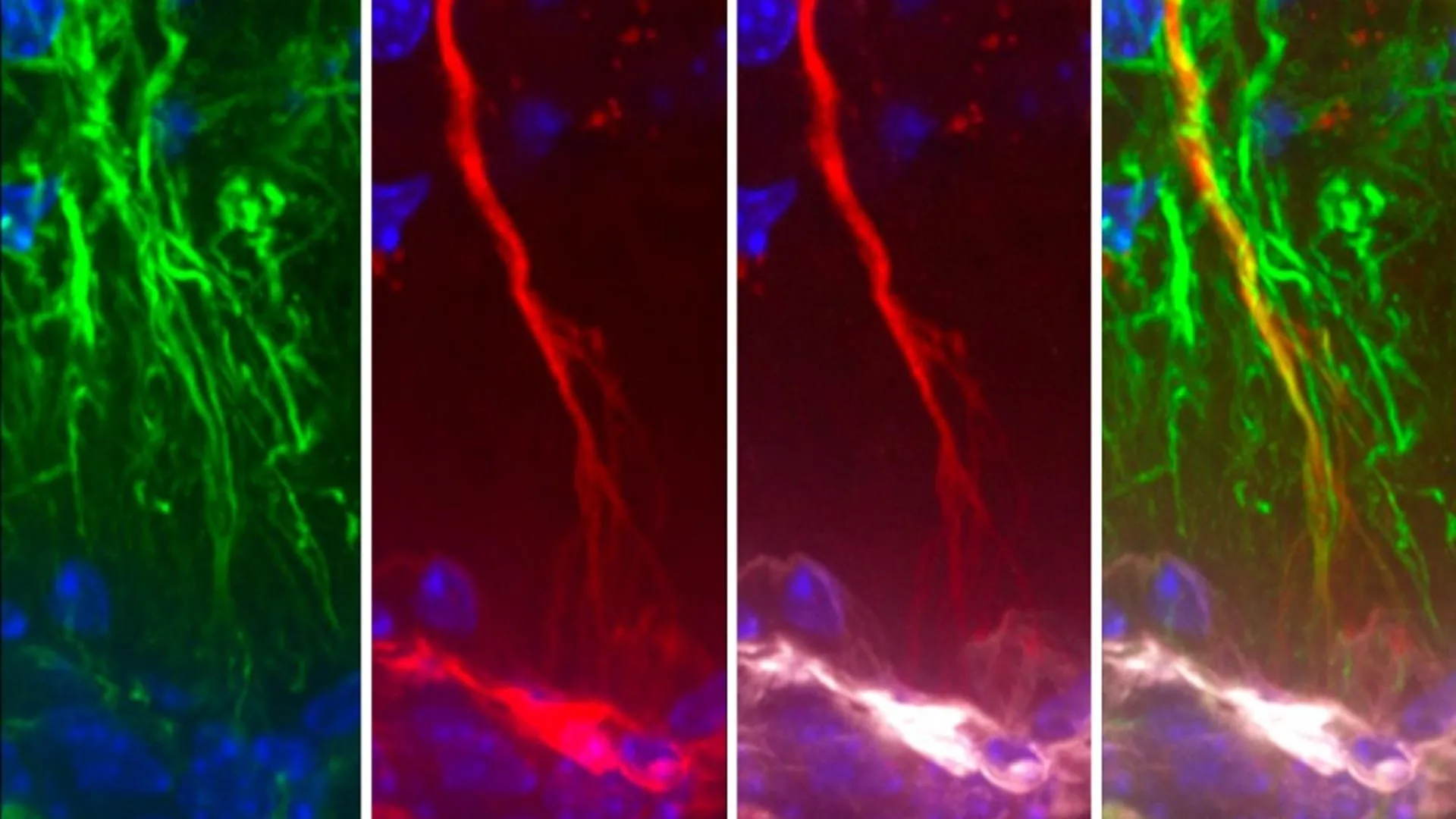
The accumulation of tau protein in the brain is a defining hallmark of Alzheimer’s disease, a devastating neurodegenerative condition affecting millions worldwide. Now, a groundbreaking study published on March 5 in the Cell Press journal Cell Press Blue has illuminated a previously underappreciated biological mechanism that may significantly contribute to this tau buildup. Researchers have identified specialized brain cells, known as tanycytes, as key players in the clearance of toxic tau, and their dysfunction could be a critical driver of Alzheimer’s progression. The comprehensive research, which integrated animal experiments, in-vitro cell studies, and analyses of post-mortem human brain tissue, offers a novel therapeutic target for this relentless disease.
Unveiling the Tanycyte Connection to Tau Pathology
For decades, the focus in Alzheimer’s research has largely been on neurons and the intricate processes of their degeneration. However, this new study, led by Vincent Prevot of INSERM in France, shifts attention to a more esoteric population of brain cells: tanycytes. These specialized, non-neuronal cells, primarily situated in the floor of the third ventricle of the brain, have historically been understood for their role in mediating communication between the brain and the rest of the body by facilitating the transport of metabolic signals. This vital function connects the bloodstream to the cerebrospinal fluid (CSF), a protective fluid that bathes the brain and spinal cord, acting as a sophisticated communication network and maintaining the body’s delicate internal equilibrium.
The research team’s pivotal discovery lies in the newfound understanding of how tanycytes actively participate in clearing harmful molecules, particularly the aberrant tau protein, from the brain. Their findings demonstrate that tanycytes act as crucial conduits, actively transporting toxic substances, including misfolded tau, from the CSF into the bloodstream. Once in the bloodstream, these harmful agents can then be effectively eliminated from the body. The study’s implications are profound: when this intricate transport system falters, the stage is set for the insidious accumulation of tau, a process directly linked to the neuronal damage and cognitive decline characteristic of Alzheimer’s disease.
"Our findings reveal a previously underappreciated, disease-relevant role for tanycytes in neurodegeneration," stated corresponding author Vincent Prevot. "Focusing on tanycyte health could be a way to improve tau clearance and limit disease progression." This statement underscores the paradigm shift this research represents, moving beyond solely neuronal-centric approaches to Alzheimer’s pathology.
The Multifaceted Nature of Tanycytes in Brain Homeostasis
To fully grasp the significance of these findings, it is essential to understand the fundamental role of tanycytes. These cells are not mere passive bystanders in the brain’s complex ecosystem. Their strategic location near the circumventricular organs, regions of the brain that lack a complete blood-brain barrier, positions them as crucial interfaces for monitoring and regulating the body’s internal state. Earlier research had hinted at their involvement in sensing and transporting hormones and other signaling molecules from the blood to the CSF, thereby influencing a range of physiological processes.
However, their direct involvement in the clearance of neurotoxic proteins like tau had remained largely unexplored until now. The current study meticulously dissects this mechanism, revealing a dynamic and active clearance pathway. By employing a combination of sophisticated experimental techniques, including advanced imaging and molecular analyses, the researchers were able to visualize and quantify the movement of tau protein through tanycytes.
Evidence from Diverse Models: From Rodents to Human Tissue
The robustness of the study’s conclusions is further amplified by the diverse range of models utilized. In rodent models, the scientists were able to observe tanycytes actively engulfing and transporting tau. Crucially, this was not confined to experimental setups. The research team also examined brain tissue from human patients diagnosed with Alzheimer’s disease. Their analyses revealed striking abnormalities in the tanycytes of these individuals.
"Surprisingly, we were able to show in rodent and cellular models not only that tanycytes were indeed involved in clearing tau but also that tanycytes in the brains of human Alzheimer’s patients were fragmented and had changes in gene expression related to this shuttle function," Prevot elaborated. This direct evidence from human tissue provides a critical link between the observed cellular mechanisms and the pathology of Alzheimer’s disease in affected individuals. The fragmentation of tanycytes suggests a structural compromise in their ability to perform their essential transport functions, while the altered gene expression points to a deeper molecular dysfunction underlying their impaired clearance capacity.
Implications for Future Alzheimer’s Therapies: A New Frontier
The identification of tanycytes as critical regulators of tau clearance opens up an exciting new avenue for therapeutic intervention in Alzheimer’s disease. The study’s findings suggest that interventions aimed at preserving or restoring the health and function of tanycytes could offer a novel strategy for slowing or even preventing the progression of neurodegeneration.
"Our findings provide the first evidence for structural and functional alterations in these little-known but key brain cells in human disease," Prevot emphasized. This statement highlights the novelty and significance of the discovery, suggesting that focusing on the brain’s internal cleaning crew – the tanycytes – could be a game-changer.
Navigating the Challenges Ahead
Despite the immense promise, the translation of these findings into effective clinical treatments is not without its hurdles. The researchers acknowledge several significant challenges that must be addressed. One of the primary obstacles is the persistent lack of fully reliable animal models that accurately recapitulate the complex, multi-faceted nature of Alzheimer’s disease in humans. Current models often fall short in replicating the intricate interplay of genetic, environmental, and pathological factors that contribute to the disease.
Furthermore, the development of tanycyte-targeted therapies will necessitate larger-scale patient cohorts and extended longitudinal studies. Such research is crucial to definitively establish a causal relationship between tanycyte dysfunction and tau accumulation, and to understand the precise mechanisms by which this dysfunction leads to disease progression. Clarifying the temporal sequence of events – whether tanycyte impairment precedes or is a consequence of early Alzheimer’s pathology – will be vital for designing effective treatment strategies.
A Broader Context: The Evolving Understanding of Neurodegeneration
This research emerges within a broader context of evolving understanding in neurodegenerative diseases. Historically, the scientific community has primarily focused on the direct impact of protein aggregation within neurons. However, an increasing body of evidence is highlighting the critical role of the brain’s environment and supporting cells in maintaining neuronal health and preventing disease. Glial cells, such as astrocytes and microglia, have been recognized for their multifaceted roles in neuroinflammation and waste clearance. The current study adds tanycytes to this growing list of non-neuronal cells with profound implications for neurodegenerative disorders.
The discovery also underscores the intricate interconnectedness of the brain and the body. Tanycytes, as intermediaries between the bloodstream and the brain’s internal milieu, highlight how systemic factors can directly influence brain health. This perspective may lead to a more holistic approach to understanding and treating neurological conditions, considering the interplay between the central nervous system and peripheral physiology.
Funding and Future Directions
This significant research effort was made possible through substantial support from various esteemed organizations, including the European Research Council, the National Institutes of Health, the Fondation pour la Recherche Médicale, and the Fondation NRJ for Neuroscience-Institut de France. This multidisciplinary funding reflects the recognized importance and potential impact of this line of inquiry.
Moving forward, the research team plans to delve deeper into the molecular mechanisms governing tanycyte function and dysfunction. This will involve identifying specific pathways and targets within tanycytes that can be modulated to enhance tau clearance. Further investigations will also focus on developing more accurate preclinical models that better mimic human Alzheimer’s pathology, allowing for more effective testing of potential tanycyte-based therapies. The ultimate goal is to translate these fundamental scientific discoveries into tangible clinical benefits for patients suffering from Alzheimer’s disease and other tauopathies.
The identification of tanycytes as critical players in tau clearance represents a significant leap forward in our understanding of Alzheimer’s disease. While challenges remain, this research offers a beacon of hope, pointing towards novel therapeutic strategies that could fundamentally alter the landscape of Alzheimer’s treatment and improve the lives of millions affected by this debilitating condition. The scientific community will be closely watching as this promising field continues to unfold.