Ferry Irwandi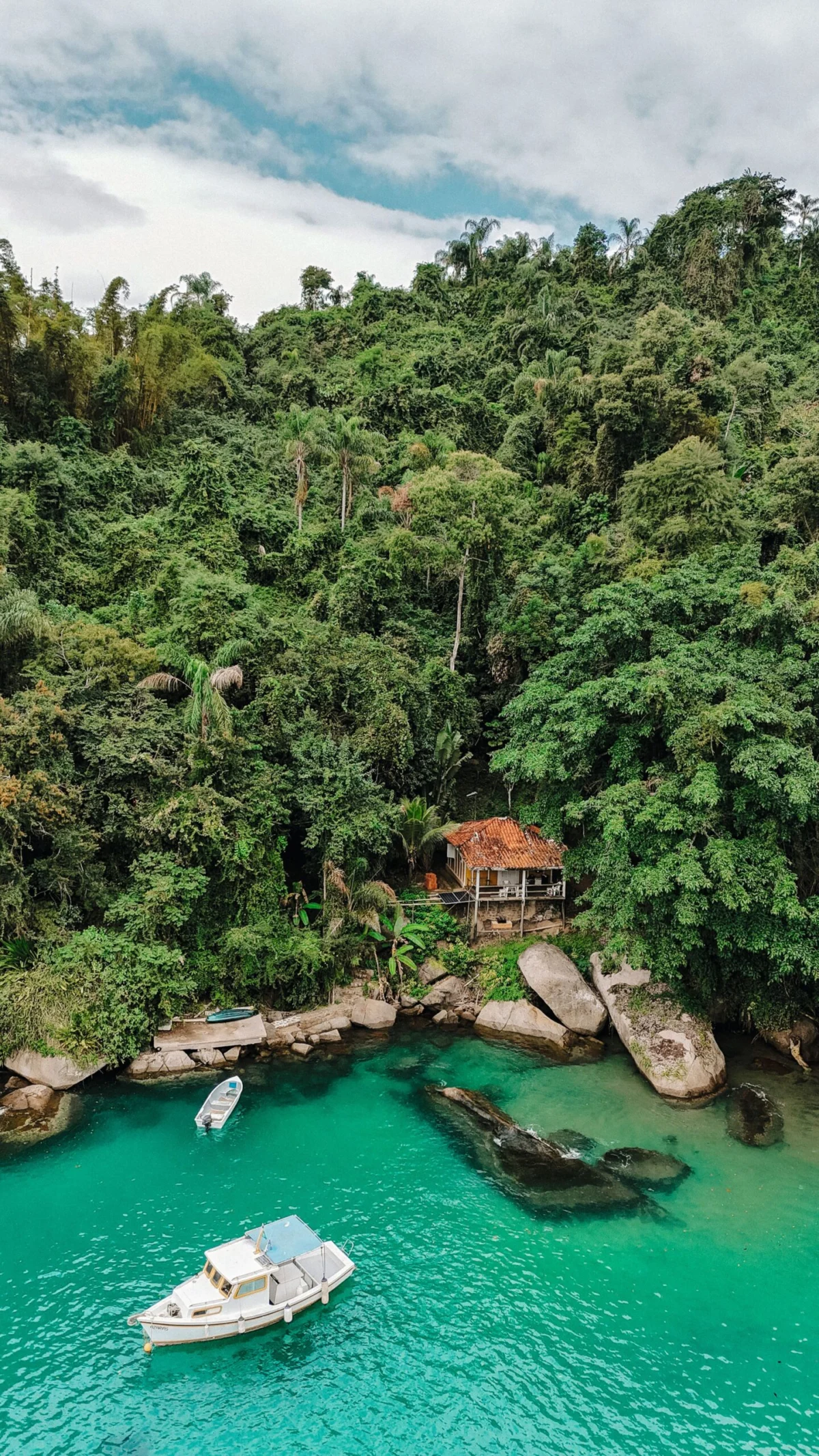
The coastal enclave of Paraty, situated along Brazil’s rugged Costa Verde between the metropolitan giants of São Paulo and Rio de Janeiro, has long been celebrated as a premier destination for its architectural preservation and natural splendor. However, beneath its well-manicured colonial façade lies a complex, multi-layered history that is currently being reclaimed by a new generation of activists, artists, and historians. As the town navigates its status as a UNESCO World Heritage site, the focus is shifting from a "single-note story" of colonial elegance to a broader acknowledgment of the Indigenous, Quilombola, and Caiçara communities that have served as the region’s primary stewards for centuries.

The Geographic and Strategic Significance of Paraty
Paraty is geographically defined by the dramatic escarpment of the Serra do Mar mountains, which drop into a sheltered amphitheater of 65 islands. Its strategic location made it a vital node in the economic history of the Portuguese Empire. Located approximately a four-hour drive or a 45-minute helicopter ride from both Rio de Janeiro and São Paulo, it serves as a weekend retreat for the urban elite. Yet, its accessibility belies its historical isolation; for decades, the town remained largely cut off from the rest of the country, a factor that contributed significantly to the preservation of its 18th-century Centro Histórico.
In 2019, UNESCO recognized Paraty and the adjacent Ilha Grande as a World Heritage site. This designation was unique because it honored the "natural-cultural landscape," acknowledging that the town’s architectural heritage is inseparable from the surrounding Atlantic Forest. This biome is a global hotspot for endemic biodiversity, ranking second only to the Amazon in terms of biological variety. Within this ecosystem, more than 200 beaches and a vast hinterland of hiking trails provide the backdrop for a burgeoning eco-tourism industry.

A Chronology of Exploitation and Economic Shifts
The history of Paraty is a timeline of successive economic booms, each leaving a distinct mark on the landscape and its social fabric.
The Pre-Columbian Era and Portuguese Arrival
Before European contact, the coastal plains were known as Pindorama, inhabited by the Tupi-Guaraní peoples. These Indigenous groups utilized the Caminho do Peabiru, a 2,500-mile-long route connecting the Atlantic coast to Cusco in present-day Peru. When the Portuguese arrived at the turn of the 16th century, their initial focus was the extraction of pau brasil (brazilwood), which gave the nation its name. This was followed by the establishment of sugarcane plantations. The region’s high humidity proved ideal for the production of cachaça, a sugarcane spirit that became so central to the local economy that it served as a form of currency.

The Gold Rush and the Caminho do Ouro
In 1693, gold was discovered in the inland state of Minas Gerais. This sparked a transformative era for Paraty, which became the second-most-important port in Brazil. It served as the gateway for the Caminho do Ouro (Gold Path), a 745-mile cobbled route used to transport precious metals to Europe. This period was defined by extreme human suffering; historians estimate that between 1540 and the 1860s, approximately 5.5 million Africans were enslaved and brought to Brazil, many of whom were forced to pave the Gold Path and work the mines.
Economic Decline and the "Time Capsule" Effect
The mid-19th century brought the "black gold" era—the coffee trade. However, the construction of a railway line connecting Rio and São Paulo eventually bypassed Paraty, leading to a severe economic collapse. As the port fell out of the global loop, the town entered a period of stagnation. Buildings were left to decay, and the population shifted toward subsistence. During this "forgotten" century, the Caiçara people—a demographic mix of Portuguese, freed Africans, and Indigenous peoples—maintained traditional lifestyles through canoe fishing and forest foraging.

The Cultural Rediscovery and Modern Gentrification
The modern era of Paraty began in the 1960s when it was "rediscovered" by left-leaning creatives and intellectuals fleeing the scrutiny of Brazil’s military regime. Figures from the Cinema Novo movement and artists like Djanira were drawn to the simplicity of Caiçara culture. This bohemian influx was followed in the 1970s by the construction of a new coastal road, which opened the town to wealthy investors from São Paulo.
While this gentrification led to the meticulous restoration of the Centro Histórico, it also initiated a process of "whitewashing." The colonial houses, with their characteristic white walls and colorful shutters, became boutiques and luxury guesthouses. Critics argue that this version of Paraty’s history often ignored the African and Indigenous labor that built the town. For instance, the very stones that tourists walk upon were laid by enslaved people, and the wrought-iron balconies often contain hidden West African "Adinkra" symbols, representing messages of solidarity and endurance.

Reclaiming the Narrative: Quilombola and Indigenous Advocacy
A significant shift is occurring as local communities demand recognition of their historical and contemporary contributions. Luis Claudio Dos Santos, a leader in the Quilombo Campinho da Independência, emphasizes that for generations, the Black contribution to Paraty was edited out of official records.
The Quilombo Movement
Quilombo Campinho da Independência was founded in the 1880s by three African women—Antonica, Marcelina, and Luiza—following the abolition of slavery. It was the first quilombo in the state of Rio de Janeiro to gain legal land status, a process that was only completed in the 1980s. Today, Brazil has 494 recognized quilombos, but fewer than half hold the legal deeds to their ancestral lands. These communities are now using tourism and literature to tell their own stories, notably through "FLIP Preta" (Black FLIP), a parallel event to the world-renowned Paraty International Literary Festival.

Caiçara Resistance
Similarly, the Caiçara people are fighting to protect their sustainable way of life. Activist and artist Almir Tã has been vocal about the threats posed by commercial developers. In 2025, a controversial land auction involving Caiçara territory sparked significant legal pushback. Developers attempted to use land deeds dating back to 1936 belonging to a Portuguese merchant to claim ancestral lands. Almir Tã and other community leaders argue that the "beauty of these islands is rooted in the Caiçara’s sustainable way of life," which includes agroforestry and traditional fishing, and that private development threatens the ecological balance of the UNESCO-protected area.
Gastronomy and the Sustainable Food Movement
One of the most visible ways this cultural reclamation is manifesting is through the local food scene. A movement led by agroforestry experts and chefs is championing the use of PANCs—Unconventional Edible Plants (Plantas Alimentícias Não Convencionais).

Chef Rafael Morente of Pindorama and Ana Bueno of Banana da Terra have been instrumental in integrating these foraged ingredients into high-end dining. Ingredients like taioba leaves, foraged macro-fungus, and white ginger lily are being used to tell "the story of Brazil from the perspective of the colonized." By elevating ingredients traditionally associated with the rural poor, these chefs are attempting to raise the social profile of Indigenous and Quilombola cultures.
Furthermore, Afro-Brazilian culinary traditions are gaining prominence. Chef Flávia Alves of Quintal de Mãe serves dishes like acarajé (black-eyed pea fritters) while educating guests on the spiritual and medicinal significance of West African-influenced cuisine. These efforts are seen as vital to preserving the "ancient knowledge of medicine, music, and agronomy" that Africans contributed to Brazilian culture.

Broader Impact and Future Implications
The future of Paraty depends on its ability to balance its dual identity as a luxury tourist destination and a site of historical preservation. The 2019 UNESCO status has provided a framework for conservation, but the challenges of land rights and social inequality remain.
The town’s reliance on high-end tourism creates a tension with the needs of its original inhabitants. However, the rise of community-led initiatives—from Indigenous craft shops like Canoa Arte Indígena to Quilombola-run restaurants—suggests a model for a more inclusive form of tourism. By centering the voices of the Caiçara, Quilombola, and Indigenous peoples, Paraty is moving toward a more authentic representation of its "natural-cultural landscape."

As Brazil continues to grapple with its colonial past, Paraty serves as a microcosm of the national struggle for identity. The preservation of the Atlantic Forest and the recognition of traditional land rights are not merely local issues; they are essential components of Brazil’s commitment to national diversity and environmental sustainability. The "magic" that visitors find in Paraty is increasingly being recognized as a product of the resilience and stewardship of the communities that have called this coast home for five centuries.