Danny Garick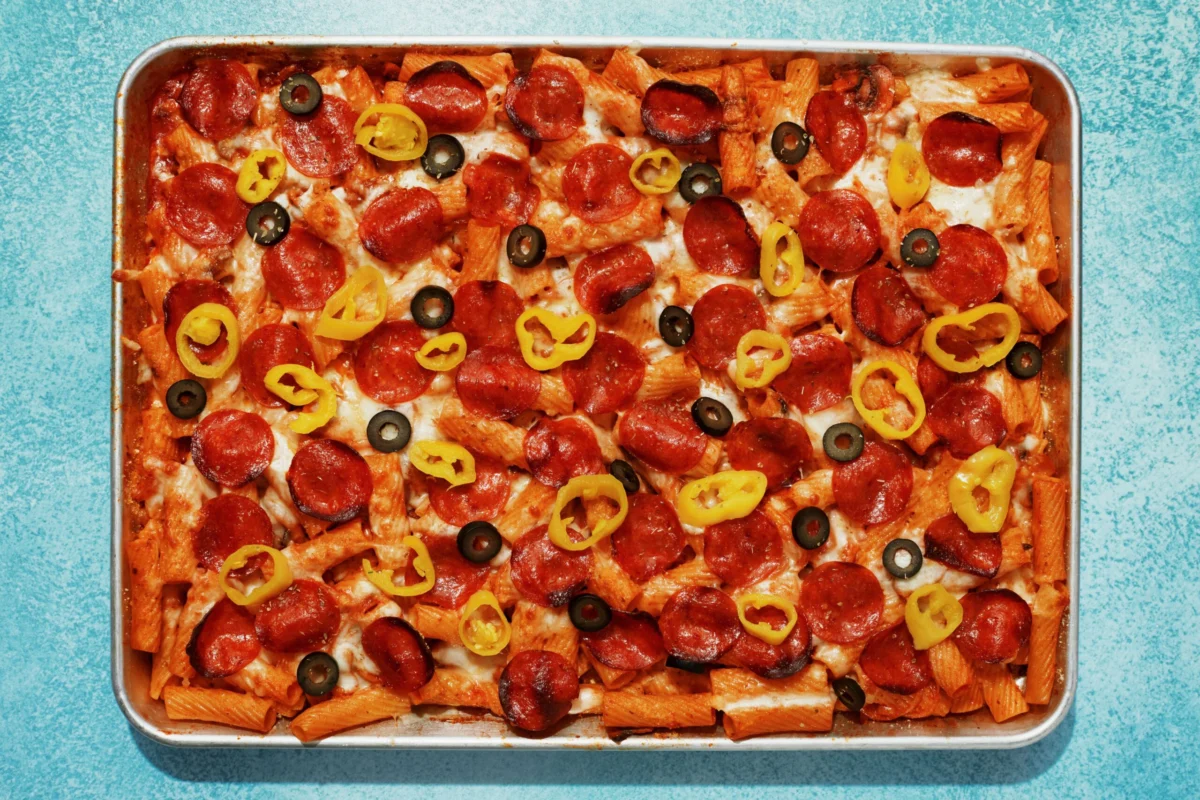
The traditional culinary approach to baked pasta, long defined by deep-dish casseroles and ceramic vessels, is undergoing a significant technical shift as professional chefs and home cooks alike move toward sheet pan preparation to resolve chronic issues of inconsistent texture and over-saturation. For decades, the standard preparation for dishes such as baked ziti, lasagna, and macaroni and cheese involved layering ingredients in high-walled dishes, a method intended to retain moisture and facilitate large-batch feeding. However, modern culinary analysis suggests that this depth often results in a "mushy" interior where pasta continues to steam, losing its al dente structure, while only a small percentage of the dish—the corners—achieves the desired Maillard reaction and crispness. By transitioning these recipes to a standard half-sheet pan, cooks are leveraging increased surface area to ensure uniform heat distribution, resulting in a dish that balances caramelized edges with perfectly cooked pasta.
Historical Context and the Casserole Paradigm
The lineage of baked pasta, or pasta al forno, is deeply rooted in Italian regional cooking, where dishes like lasagna alla bolognese or timballo were designed to be celebratory, calorie-dense centerpieces. When these traditions migrated to North America, they evolved into the "casserole culture" of the mid-20th century. The primary objective during this era was efficiency and heat retention; a deep ceramic or glass dish could stay warm on a dinner table for an extended period, making it ideal for large family gatherings and potlucks.
However, this utility came at a gastronomic cost. In a deep vessel, the weight of the upper layers compresses the lower layers, while the lack of evaporation causes the pasta to absorb excess moisture from the sauce. This often results in a bifurcated experience: a crispy cheese topping resting upon a soft, structural-less base. The sheet pan method, which has gained traction in professional test kitchens over the last decade, seeks to modernize this format by treating pasta similarly to roasted vegetables or proteins, where air circulation and direct contact with a conductive metal surface are paramount.
The Science of Surface Area and Thermal Conductivity
The shift toward sheet pan pasta is grounded in the principles of thermal dynamics and the Maillard reaction—the chemical reaction between amino acids and reducing sugars that gives browned food its distinctive flavor. In a standard 9×13-inch baking dish, the surface-area-to-volume ratio is relatively low. Heat must penetrate through several inches of dense pasta and sauce, often leading to uneven cooking where the center remains under-temp while the edges begin to dry out.
Conversely, a standard half-sheet pan (approximately 18×13 inches) provides nearly double the surface area with a much lower vertical profile. When a standard recipe for baked pasta is spread across this larger area, the following physical changes occur:
- Enhanced Evaporation: Excess moisture from the sauce evaporates more quickly, preventing the pasta from becoming waterlogged and allowing the flavors to concentrate.
- Uniform Crispness: Instead of only four "corner pieces," nearly every piece of pasta is exposed to the top-down heat of the oven and the bottom-up conduction of the metal pan. This creates a high ratio of "crispy bits," which are highly prized in contemporary gastronomy.
- Al Dente Retention: Because the pasta is not submerged in a deep reservoir of liquid, it is less likely to overcook. The "steaming" effect is replaced by a "roasting" effect, which preserves the structural integrity of shapes like rigatoni, penne, or fusilli.
Chronology of the Sheet Pan Movement
The adoption of the sheet pan as a primary vessel for complex meals can be traced through several key milestones in the culinary industry:
- 2014–2016: The rise of the "Sheet Pan Dinner" trend. Food writers and influencers began advocating for roasting proteins and vegetables on a single tray to minimize cleanup. This period established the sheet pan as a versatile tool beyond baking cookies.
- 2018: Professional test kitchens began experimenting with high-starch components on sheet pans. This led to the popularization of sheet-pan gnocchi, where shelf-stable gnocchi were roasted rather than boiled, providing a crispy exterior that boiling could not achieve.
- 2020–2022: The global pandemic saw a surge in home cooking and a renewed interest in "comfort food." However, as home cooks became more sophisticated, they sought ways to improve classic recipes. This era saw the emergence of sheet-pan macaroni and cheese and the "crispy lasagna" trend, influenced by high-end restaurants like Rolo’s in New York City, which became famous for its two-sheet lasagna.
- 2024: The methodology has been refined to include "one-pan" sauce development. Rather than simmering sauce on a stovetop, cooks are now roasting aromatics, tomato paste, and vegetables directly on the sheet pan before adding par-boiled pasta, further streamlining the process and deepening flavor profiles through caramelization.
Case Study: The Sheet-Pan Pepperoni Pasta Methodology
A primary example of this technique is the recently developed Sheet-Pan Pepperoni Pasta, a recipe that exemplifies the transition from stovetop simmering to oven roasting. In this model, the sauce is not a separate entity but is "built" on the pan. Sliced mushrooms, onions, garlic, and tomato paste are tossed with oil and roasted until the vegetables are tender and the paste has darkened.
This "concentrated" base is then combined with par-boiled pasta and a controlled amount of starchy pasta water. The starch in the water acts as an emulsifier, binding the roasted aromatics to the noodles without the need for a heavy, liquid-heavy sauce. When topped with cheese and pepperoni and returned to the oven, the thin layer of pasta develops a "shatteringly crisp" texture on the top and edges, while the interior remains chewy.

Industry Reactions and Expert Insights
Culinary educators and professional chefs have noted that the sheet pan method aligns with broader trends toward "texture-forward" cooking. "The modern palate increasingly values contrast," notes one culinary analyst. "The soft-on-soft texture of a traditional tuna noodle casserole is being replaced by a preference for crunch and caramelization. The sheet pan is the most efficient tool for delivering that contrast in a home kitchen setting."
Market data supports this shift. Sales of professional-grade aluminum half-sheet pans have seen steady growth in the housewares sector, often outpacing traditional ceramic bakeware. Consumers are increasingly looking for "multi-functional" kitchen tools, and the sheet pan’s ability to handle everything from breakfast pastries to roasted meats and now pasta makes it a staple of the modern kitchen.
Furthermore, the "visual appeal" of sheet-pan dishes has contributed to their popularity on social media platforms. The "grid-like" presentation of a sheet pan allows for a more aesthetic arrangement of toppings—such as pepperoni slices, dollops of ricotta, or sprigs of broccoli rabe—which remain visible rather than being buried in a deep dish.
Broader Implications for Home Entertaining
The implications of the sheet-pan pasta method extend beyond flavor and texture into the realm of practical hosting. One of the primary advantages cited by proponents is the reduction in cooking time. Because of the increased surface area, sheet-pan pastas typically reach the desired internal temperature and achieve top-level browning 15% to 20% faster than their deep-dish counterparts.
Additionally, the versatility of the method allows for greater customization. In a sheet-pan format, it is easier to "zone" a dish to accommodate different dietary preferences or tastes—for example, leaving one side of the pan free of meat or adding extra spice to only one quadrant. This level of modularity is difficult to achieve in a deep casserole.
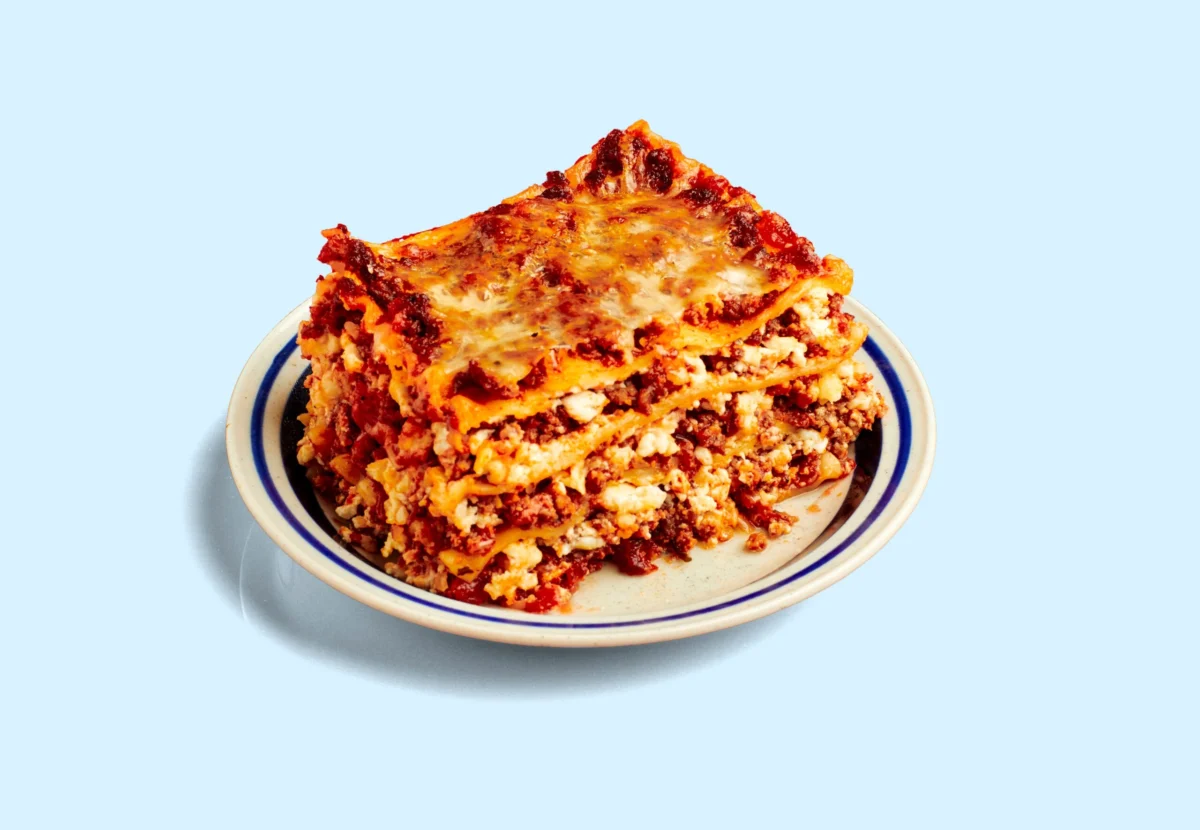
However, experts note one notable exception to the sheet-pan rule: traditional lasagna. While "sheet-pan lasagna" exists and is prized for its crispiness, the classic deep-dish lasagna remains the standard for those seeking the specific "melt-in-your-mouth" quality of multiple layers of pasta, béchamel, and ragù. The vertical pressure in a deep lasagna is essential for creating the uniform, cake-like slices that define the dish. For almost every other type of baked pasta, however, the sheet pan is increasingly viewed as the superior vessel.
Economic and Efficiency Analysis
From an economic perspective, baked pasta remains one of the most cost-effective ways to feed a crowd. The ingredients—dried pasta, canned tomatoes, aromatics, and cheese—are staples that remain relatively affordable despite inflationary pressures in the food market. The sheet-pan method enhances this value proposition by reducing energy consumption (through shorter bake times) and minimizing the need for multiple pots and pans.
The "one-pan" approach to sauce development—roasting the base directly on the sheet—also reduces water usage and cleanup time, a factor that is increasingly important to busy consumers. As the culinary landscape continues to prioritize efficiency without sacrificing quality, the sheet pan is likely to remain at the forefront of domestic cooking innovation.
Conclusion: The Future of the Sheet Pan in Modern Gastronomy
The transition from deep-dish to sheet-pan baking represents a fundamental reevaluation of what makes a "successful" baked pasta. By prioritizing texture, flavor concentration, and uniform heat distribution over traditional heat retention, the sheet-pan method offers a more consistent and sophisticated result. As more classic recipes, from baked ziti to pasta alla Norma, are adapted for this format, the sheet pan is cementing its status not just as a baking tool, but as a primary vessel for the evolution of comfort food. The shift reflects a broader movement in the culinary world: a move away from the "set it and forget it" mentality of the mid-century casserole and toward a more intentional, technique-driven approach to home cooking.