Danny Garick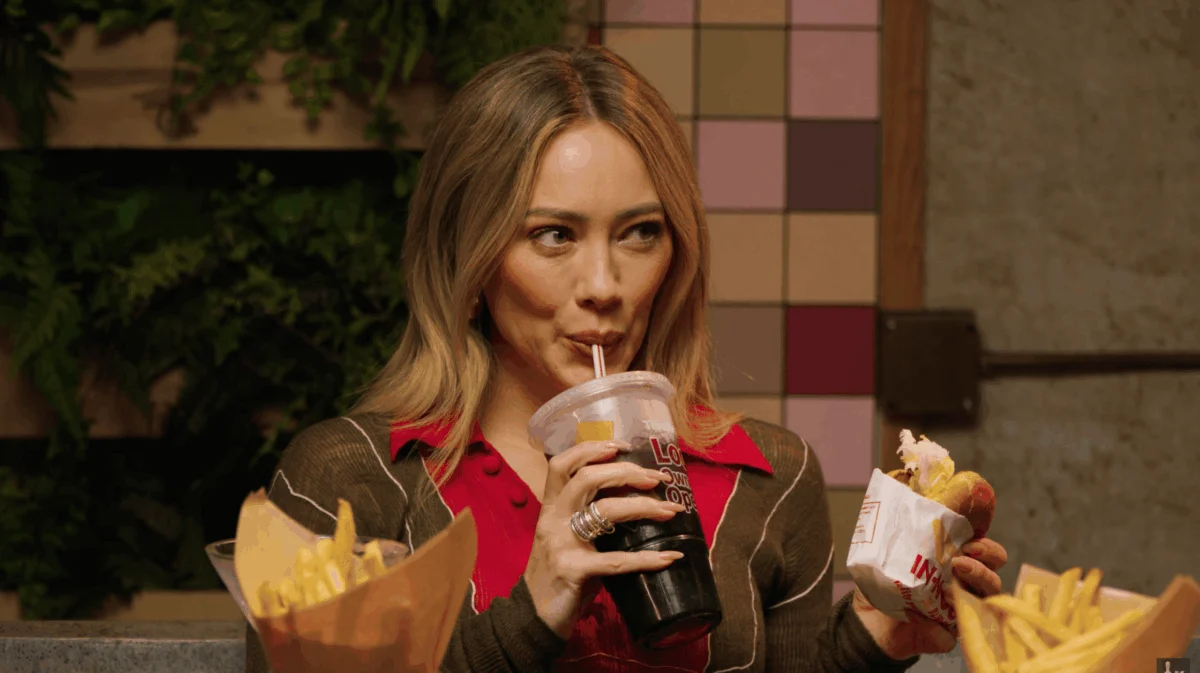
The contemporary landscape of the food and beverage industry is currently undergoing a multifaceted transformation, driven by a combination of celebrity-driven narratives, shifts in corporate retail strategy, and the rapid integration of sophisticated artificial intelligence. Recent developments involving high-profile figures like Hilary Duff, the expansion of venture-backed coffee chains such as Blank Street, and the unexpected technical capabilities of customer service interfaces at major franchises like Chipotle highlight a significant shift in how consumers interact with culinary brands. These trends suggest that the boundaries between entertainment, technology, and dining are becoming increasingly porous, necessitating a closer examination of the underlying logistics and psychological factors at play.
Celebrity Endorsement and the Science of Beverage Standardization
Hilary Duff, the actress and singer currently promoting her latest musical project Luck… or Something, recently sparked a widespread discussion regarding the consistency and quality of carbonated beverages at major fast-food chains. During an appearance on the digital series Last Meals, Duff posited that McDonald’s serves a version of Diet Coke that is fundamentally superior to those found at other retailers. While Duff framed her observation as a "conspiracy theory" involving exclusive pre-mixed contracts, the reality of the situation is grounded in rigorous supply chain management and engineering standards established decades ago.
The partnership between McDonald’s and The Coca-Cola Company dates back to 1955, when Ray Kroc approached the beverage giant to ensure a consistent product across a growing number of franchises. To maintain this consistency, McDonald’s adheres to a specific set of logistical protocols that differ from standard industry practices. While most restaurants receive Coca-Cola syrup in plastic bags (bag-in-box), McDonald’s receives its syrup delivered in stainless steel tanks. This method preserves the freshness of the syrup and protects it from environmental factors that could alter its chemical composition.
Furthermore, the "superior" taste noted by Duff and many consumers is the result of precise temperature control. McDonald’s pre-chills both the water and the syrup before they enter the fountain dispenser. By keeping the liquids at a temperature just above freezing, the system ensures that the carbon dioxide levels remain high, resulting in a more effervescent drink. This cold temperature also allows for a higher ratio of syrup to water because the ice in the cup melts more slowly, preventing dilution. Additionally, the chain utilizes a high-end filtration system to ensure water purity and employs straws with a slightly wider diameter, which increases the volume of the beverage delivered to the palate in a single sip, intensifying the flavor profile.
The Digital Transformation of the Sommelier Experience
As technology becomes more deeply embedded in the dining experience, a new trend has emerged involving the use of Large Language Models (LLMs) like ChatGPT to navigate complex wine lists. Traditionally, the role of the sommelier has been to provide expert guidance, pairing recommendations, and historical context for a restaurant’s wine cellar. However, an increasing number of diners are opting for AI-driven consultations to avoid the perceived social pressure or potential embarrassment associated with mispronouncing labels or selecting mid-range bottles.
This shift toward digital sommeliers represents a broader movement toward "optimization" in dining. Apps and AI interfaces can cross-reference vintage years, critic scores, and flavor profiles in seconds, providing a data-backed recommendation that appeals to the risk-averse consumer. Industry analysts suggest that this trend is particularly prevalent among younger demographics who prioritize efficiency and "value-maxing" over traditional hospitality interactions.
However, industry professionals argue that the reliance on AI overlooks the essential human element of hospitality. A sommelier’s role is not merely to provide a data point but to facilitate a sensory experience and manage the flow of a meal. The displacement of human expertise by algorithmic suggestions may lead to a homogenization of the dining experience, where consumers gravitate toward safe, highly-rated options rather than exploring the unique, small-batch selections that a human expert might suggest.
Strategic Reorientation in the Boutique Coffee Market
Blank Street Coffee, a brand that gained prominence through a minimalist, "grab-and-go" business model, has announced a significant shift in its brick-and-mortar strategy. Since its inception, Blank Street has been characterized by small-footprint locations, often little more than kiosks, designed to maximize efficiency and cater to an urban workforce. The brand’s aesthetic—clean, neutral, and highly "instagrammable"—was explicitly designed to appeal to social media influencers and Gen Z consumers.
This week, Blank Street co-founder Issam Freiha revealed that the company is pivoting toward larger storefronts equipped with ample seating. This move signals a transition from a high-turnover service model to one that encourages "lingering" and community engagement. This strategic reversal is likely a response to the changing habits of the post-pandemic workforce, where third-space environments—locations that are neither home nor office—are in high demand for remote work and social gatherings.
Market data suggests that while the minimalist, tech-forward approach allowed for rapid initial scaling, long-term brand loyalty in the coffee industry is often built through the physical experience of the space. By expanding its square footage, Blank Street is positioning itself as a direct competitor to established giants like Starbucks, moving beyond the niche of "OK-at-best" coffee served in aesthetic surroundings to a more holistic service provider. The company continues to target the Gen Z demographic, integrating features such as "selfie-friendly" mirrors and specialized matcha menus, but with a newfound focus on the physical longevity of the customer visit.
The Unexpected Technical Sophistication of Customer Service AI
The integration of artificial intelligence in the fast-food sector reached a notable milestone this month with reports concerning Chipotle’s online chatbot, "Pepper." While Pepper was ostensibly designed to handle routine customer inquiries regarding order status and refunds, users have discovered that the underlying architecture of the bot is far more advanced than previously assumed.
In a widely circulated instance, a user prompted the Pepper chatbot to write a Python script to reverse a linked list—a common task in computer science interviews. The bot successfully generated a comprehensive and accurate code snippet, revealing that Chipotle has integrated high-level LLM capabilities into its customer-facing interface. This discovery suggests that many corporate chatbots are essentially "wrappers" for sophisticated models like OpenAI’s GPT-4 or Anthropic’s Claude.
The implications of this are twofold. First, it demonstrates the massive investment that food service corporations are making in digital infrastructure. Second, it raises questions regarding the "compute costs" and security of these systems. If a customer service bot can be used as a free coding assistant, it suggests that the boundaries of the tool have not been strictly defined, potentially exposing the company to unintended use cases or higher-than-expected operational costs. This phenomenon, often referred to as "prompt injection" or "jailbreaking," highlights the challenges of deploying powerful AI tools in a public-facing capacity.
Broader Impact and Industry Outlook
The convergence of these events—celebrity-led product scrutiny, the rise of AI-assisted dining, and the strategic expansion of tech-backed retail spaces—points toward a future where the food industry is as much about data and media as it is about nutrition. The "McDonald’s Diet Coke" phenomenon illustrates the power of celebrity influence to validate corporate engineering, while the Blank Street expansion shows a maturation of the venture-capital-funded food model.
As we move further into 2024, the industry is likely to see a continued tension between automation and traditional hospitality. While Chipotle’s chatbot and AI wine apps offer unprecedented efficiency, they also challenge the traditional labor models of the service industry. For consumers, the result is a landscape that offers more information and convenience than ever before, but perhaps at the cost of the spontaneous, human-led experiences that have historically defined the culinary world. The "standardization" of the experience, whether through the perfect carbonation of a soda or the algorithmic selection of a wine, remains the primary goal of the modern food executive, even as the methods to achieve that goal become increasingly complex.