
 Reynand Wu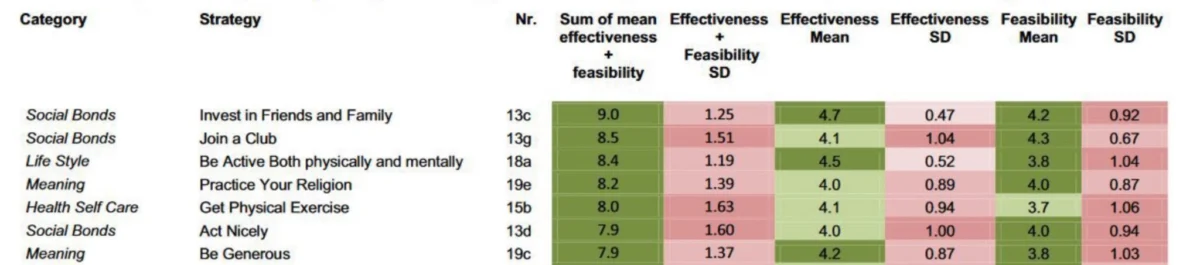
As the new year ushers in another peak in COVID-19 cases across the nation, a discernible and prolonged dip in collective morale has become increasingly evident, reflecting a society grappling with prolonged uncertainty and stress. This pervasive sentiment of unease is not merely anecdotal; it is substantiated by comprehensive sociological data, which continues to highlight a significant decline in self-reported happiness among the populace. This trend, initially observed in the early stages of the pandemic, has shown no signs of abating, prompting a critical reevaluation of what truly contributes to individual and collective well-being.
The Unfolding Crisis of National Well-being
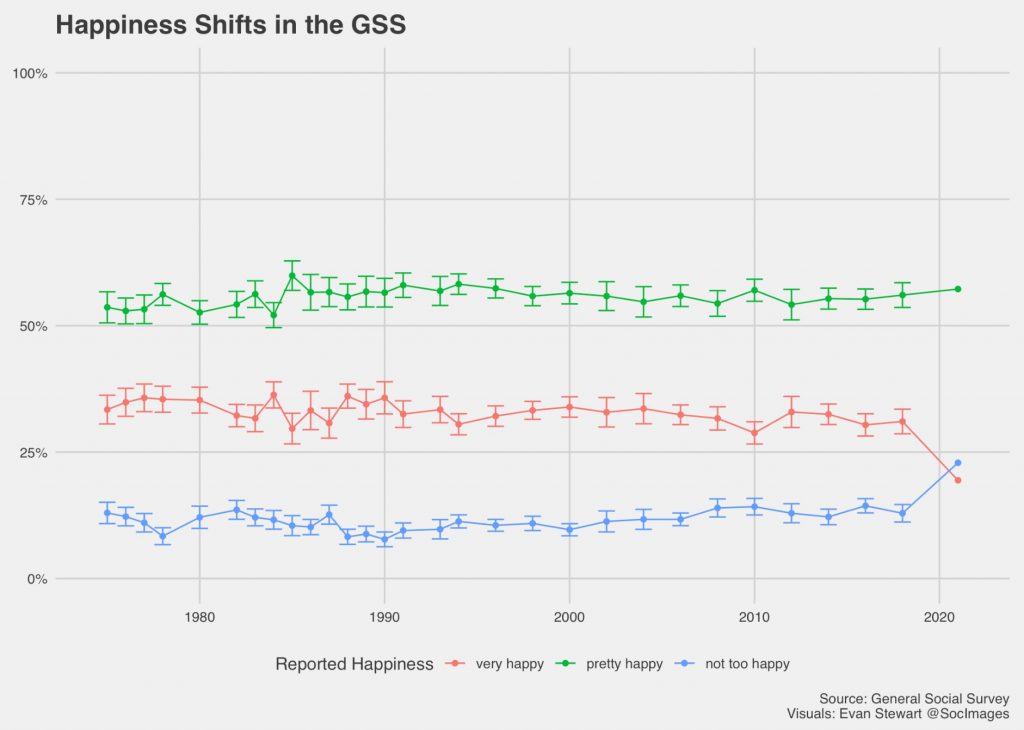
The General Social Survey (GSS), a seminal sociological study conducted by NORC at the University of Chicago, has served as a crucial barometer for tracking societal trends, including self-reported happiness, for decades. Data from recent releases of the GSS reveal a troubling continuation of a downward trajectory in national happiness levels. Specifically, the proportion of Americans reporting themselves as "very happy" has declined, while those categorizing themselves as "not too happy" has concurrently risen. This shift, while potentially influenced by methodological changes in survey administration, such as a move towards online formats, is consistent with other tracking surveys conducted during the pandemic, reinforcing the validity of the observed pattern. For instance, prior to the pandemic, around one-third of Americans consistently reported being "very happy." This figure has demonstrably decreased, falling to levels not seen in decades, indicative of a pervasive societal stressor. The GSS, which interviews a representative sample of adults in the United States, provides invaluable insights into the social fabric, and its recent findings underscore a deepening challenge to public mental health and life satisfaction.
The Pandemic’s Persistent Shadow: A Chronology of Declining Morale
The timeline of declining happiness largely mirrors the ebb and flow, and more significantly, the prolonged duration of the COVID-19 pandemic. When the virus first gripped the nation in early 2020, an immediate shock to daily life, economic stability, and social interaction was felt. Initial surveys, including early GSS data and supplementary polls, quickly registered a drop in optimism and an increase in anxiety. The initial phase of lockdowns, while perhaps fostering some sense of shared experience, quickly gave way to fatigue, isolation, and economic hardship.
By late 2020 and into 2021, as vaccine development offered a glimmer of hope, the emergence of variants like Delta and later Omicron in late 2021 and early 2022, continued to extend the crisis. Each new wave brought renewed surges in cases, hospitalizations, and deaths, leading to cyclical disruptions in work, school, and social life. The "new peak in COVID cases" referenced in early 2022 coincided with the rapid spread of the Omicron variant, which, despite often being less severe, overwhelmed healthcare systems and forced millions into isolation, exacerbating feelings of loneliness and burnout. This prolonged state of vigilance, grief, and uncertainty has contributed significantly to the sustained erosion of self-reported happiness, moving beyond acute shock to chronic stress. Economic anxieties, including inflation and supply chain disruptions, further compounded these psychological burdens, creating a complex web of factors undermining national well-being.
Beyond Individual Effort: Expert Consensus on Boosting Life Satisfaction
Amidst this concerning trend, the academic community has intensified its focus on understanding and identifying effective strategies to enhance life satisfaction. A particular study that has garnered significant attention, circulating widely within expert circles and on platforms like Twitter, offers a compelling perspective by synthesizing the insights of leading researchers in the field of happiness. Published in the Journal of Happiness Studies in 2019 (titled "Experts’ Opinions on How to Increase Life Satisfaction" by researchers including Claudia M. Hentschel and others), this study employed a sophisticated methodology: conducting interviews and surveys with a diverse group of happiness research experts to rank potential solutions based on their comprehensive understanding of existing research literature. The objective was to move beyond conventional wisdom and individual anecdotes, instead distilling evidence-based strategies.
Two pivotal aspects of this expert consensus study stand out. Firstly, it explicitly differentiated between and ranked both personal solutions and policy solutions designed to improve life satisfaction. This distinction is crucial because public discourse, often amplified by the burgeoning self-help industry, frequently frames happiness as an exclusively individual endeavor—a matter of personal choice, mindset, or effort. The inclusion of policy solutions by these experts serves as a powerful reminder that individual well-being is inextricably linked to collective well-being, influenced profoundly by societal structures, public services, and government actions. This broadens the scope of responsibility and potential intervention, shifting from a purely psychological or self-improvement paradigm to one that incorporates social and political dimensions.
Secondly, and perhaps most strikingly, a substantial majority of the top-ranked solutions, across both personal and policy categories, revolved explicitly around the concept of social relationships. For personal solutions, two of the most highly rated suggestions were "investing in friends and family" and "joining a club or organization." These recommendations underscore the profound human need for connection, belonging, and shared experience. On the policy front, experts identified promoting "voluntary work or civil service" and "reducing loneliness" as critical avenues for governmental and community-level intervention. The robust consensus among experts on the paramount importance of social bonds was further highlighted by low standard deviations in their ratings, indicating not just high scores for these categories, but also widespread agreement among specialists regarding their efficacy. This finding challenges the often-individualistic narrative of happiness, positioning social connection as a cornerstone of both personal contentment and societal resilience.
Sociology’s Crucial Role in Understanding Collective Happiness
This expert consensus study not only provides actionable insights but also powerfully validates the fundamental tenets of sociology. The field of sociology has long posited that individual experiences, including emotions and well-being, are deeply embedded within social structures and relational contexts. Unlike purely psychological approaches that might focus solely on internal states or individual coping mechanisms, sociology examines how broader social forces—such as economic inequality, community cohesion, public policy, and cultural norms—shape our opportunities for happiness and our capacity to cope with adversity.
The emphasis on social relationships within the expert study resonates strongly with sociological research on social capital, community networks, and the buffering effects of social support. Sociologists argue that robust social ties provide instrumental support (e.g., help with childcare or finding a job), emotional support (e.g., comfort during distress), and a sense of identity and purpose. The decline in traditional community structures, the rise of digital but often superficial connections, and the fragmentation of social life have been ongoing concerns for sociologists, predicting precisely the kind of widespread malaise now observed. This study underscores that understanding and investing in these social dynamics is not a fringe concern but a central pillar of societal health. It reframes the pursuit of happiness not merely as a self-help fad, but as a critical area for rigorous academic inquiry and evidence-based social policy.
Implications for Public Policy and Community Engagement
The findings from this expert consensus carry significant implications for policymakers, community leaders, and public health initiatives. If social relationships are indeed a primary driver of life satisfaction, then efforts to foster and strengthen these bonds should be prioritized at both macro and micro levels.
At the policy level, this could translate into a range of initiatives. Governments might consider funding programs that promote community building, such as public spaces designed for interaction, local arts and cultural events, or initiatives that support intergenerational connections. Policies aimed at reducing loneliness could include better public transportation to connect isolated individuals, support for community centers, or digital literacy programs that enable seniors to stay connected. Furthermore, encouraging voluntary work and civil service through incentives or easier access could harness the dual benefits of contributing to society while building new social ties. This also implies a shift in thinking about "social infrastructure"—viewing community centers, parks, libraries, and accessible public services not just as amenities, but as essential components of public health and well-being, akin to physical infrastructure.
However, implementing such policies is not without challenges. It requires a fundamental shift away from a purely economic or individualistic approach to governance, demanding cross-sector collaboration between health, education, urban planning, and social services departments. It also necessitates robust funding and a long-term vision, as the benefits of strengthening social capital often accrue gradually.
The Path Forward: Rebuilding Social Infrastructure
The ongoing national decline in happiness, exacerbated by the relentless pressures of the pandemic, presents a stark challenge. Yet, the expert consensus study offers a clear and hopeful direction: the revitalization of social relationships. This is a call to action that extends beyond individual introspection to encompass collective responsibility. It suggests that true societal resilience and well-being will not be achieved solely through economic recovery or medical advancements, but through a conscious and concerted effort to rebuild and fortify the social fabric that binds us together.
For individuals, this means actively prioritizing time with friends and family, seeking out community groups, and engaging in activities that foster genuine connection. For communities, it means investing in spaces and programs that facilitate interaction and belonging. For policymakers, it demands a bold reimagining of what constitutes essential public service, placing social cohesion at the heart of governance. In an era marked by division and isolation, the expert affirmation of social bonds as the bedrock of happiness provides a timely and critical roadmap for navigating tough times, together, and building a more connected, contented future.







