Ferry Irwandi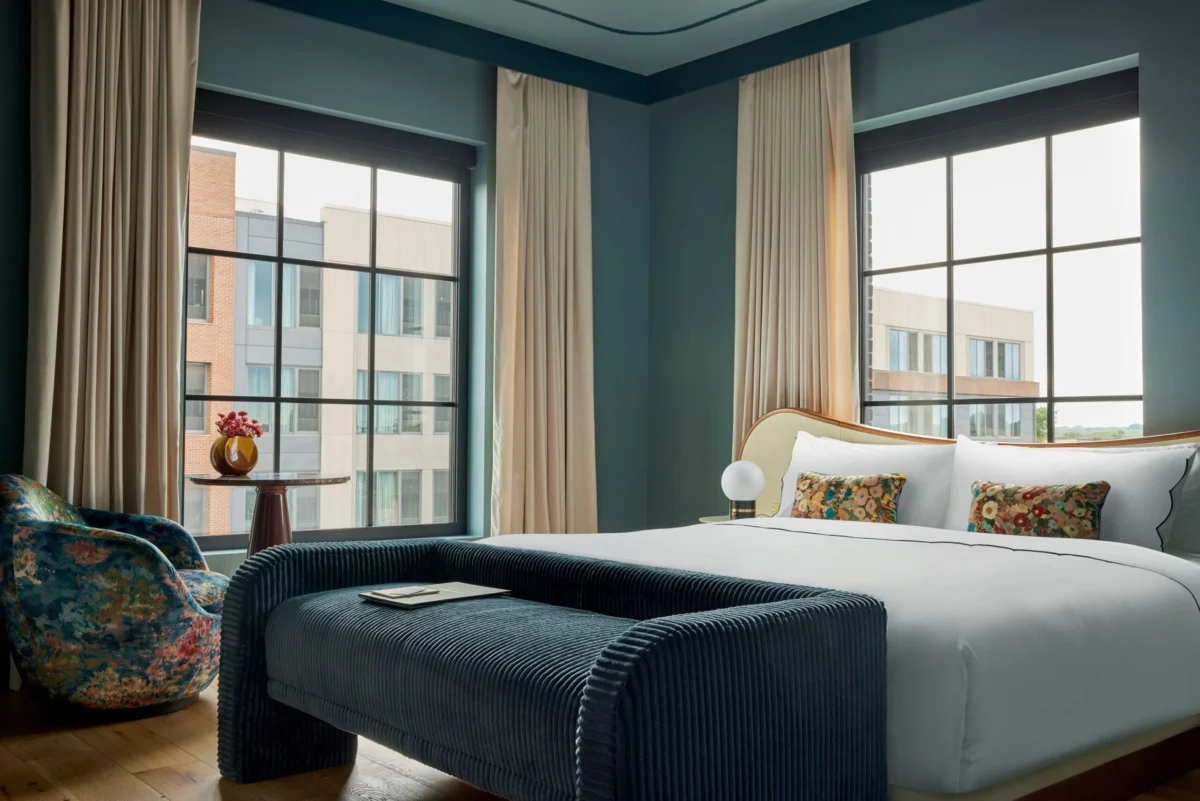
The Kentucky Derby, famously dubbed "The Most Exciting Two Minutes in Sports," represents more than just a horse race; it is a cornerstone of American cultural heritage and a massive economic engine for the city of Louisville. As preparations intensify for the 152nd running on May 2, 2026, and early planning begins for the 153rd iteration in 2027, the logistics of attending this prestigious event have become a complex undertaking for global travelers. With an average attendance exceeding 150,000 people and a city-wide celebration that spans several weeks, the demand for high-end accommodations and efficient transportation has reached unprecedented levels. This guide examines the essential components of the Derby experience, from historical context and economic data to the practicalities of navigating Derby City during its busiest season.
Historical Context and the Evolution of the Run for the Roses
The Kentucky Derby was established in 1875 by Meriwether Lewis Clark Jr., the grandson of William Clark of the Lewis and Clark Expedition. Inspired by the Epsom Derby in England and the Grand Prix de Paris, Clark sought to create a premier racing event in the United States. The inaugural race took place on May 17, 1875, before a crowd of approximately 10,000 people. Over the subsequent 150 years, the Derby has evolved into the first leg of the American Triple Crown, followed by the Preakness Stakes and the Belmont Stakes.

The venue, Churchill Downs, is recognized by its iconic Twin Spires, which were constructed in 1895. These spires have become the architectural symbol of the race and a backdrop for some of the most significant moments in sporting history. The race itself is restricted to three-year-old Thoroughbreds, covering a distance of one and a quarter miles on a dirt track. While the physical race is brief, the traditions surrounding it—such as the singing of "My Old Kentucky Home," the donning of elaborate millinery, and the consumption of mint juleps—have cemented its status as a premier social event.
Economic Impact and Market Dynamics
The financial implications of the Kentucky Derby are profound. According to data from the Louisville Tourism Bureau and Churchill Downs Incorporated, the Derby and the preceding Kentucky Oaks generate an estimated $400 million in economic impact for the region annually. This revenue is distributed across the hospitality, transportation, and retail sectors.
For travelers, this economic surge manifests in "Derby pricing." Hotel rates during the first weekend of May typically increase by 300% to 500% compared to standard seasonal rates. Most major hotels and short-term rental platforms, such as Airbnb and VRBO, enforce a mandatory three-night minimum stay, usually from Thursday to Sunday. Analysts note that the wagering handle for the Derby day program frequently exceeds $250 million, reflecting the event’s massive scale within the global betting industry.

Strategic Accommodations: Where to Stay in Louisville
Selecting the right neighborhood and hotel is critical for balancing access to the track with the desire to explore Louisville’s burgeoning culinary and cultural scenes.
Downtown and the Museum District
Downtown Louisville serves as the epicenter of Derby activity, offering proximity to "Whiskey Row" and major event venues.
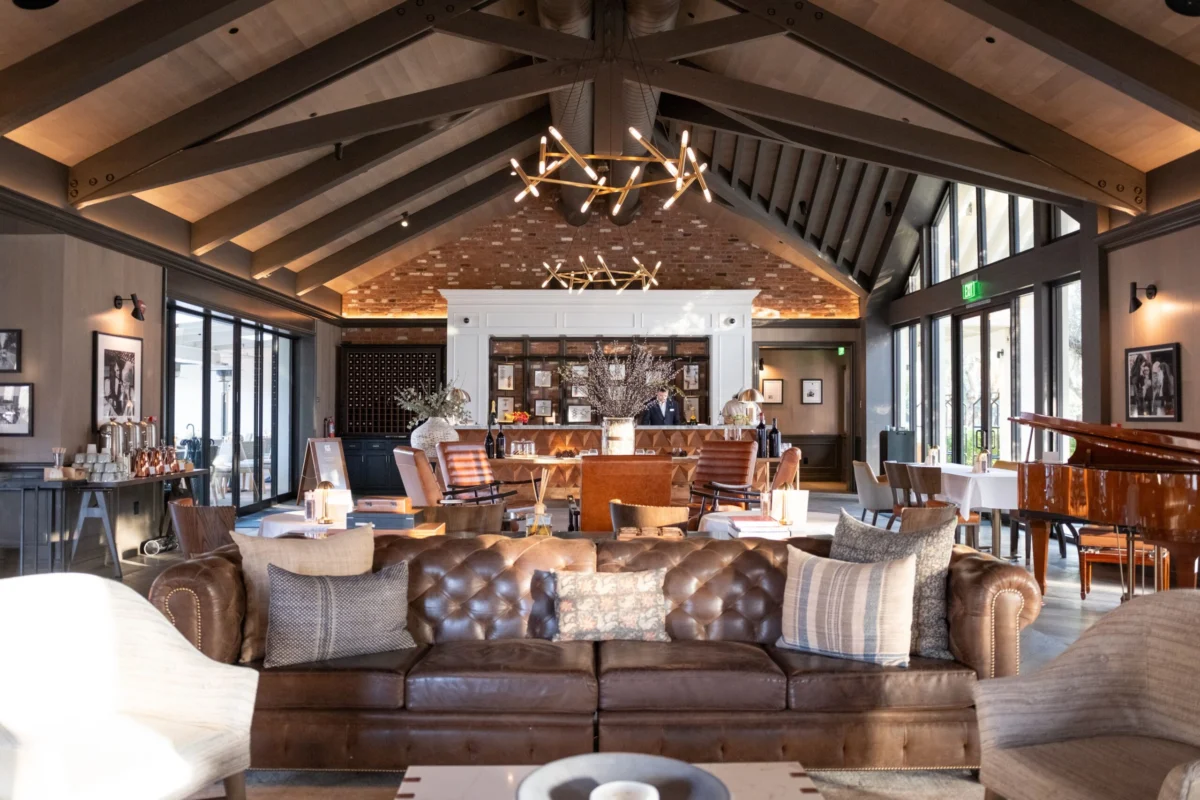
- 21c Museum Hotel Louisville: Located on West Main Street, this property is a pioneer in the boutique art-hotel space. It functions as a contemporary art museum and a luxury hotel, providing a sophisticated atmosphere for those looking to engage with the city’s creative side.
- The Galt House Hotel: As Louisville’s only waterfront hotel, The Galt House offers a massive inventory of rooms and serves as a central hub for many official Derby parties and celebrity sightings. Its location at 140 N. Fourth Street provides easy access to the Fourth Street Live! entertainment district.
- The Brown Hotel: For those seeking historical grandeur, The Brown Hotel on West Broadway is a landmark of Southern hospitality. Established in 1923, it is the birthplace of the "Hot Brown" sandwich and offers a classic Derby experience defined by Georgian Revival architecture and opulent ballrooms.
NuLu, Butchertown, and the Highlands
For a more localized experience, visitors often look toward NuLu (New Louisville) and Butchertown. These neighborhoods are home to high-end boutiques, art galleries, and some of the city’s most acclaimed restaurants. Staying in these areas allows travelers to experience the "human effervescence" of the city away from the concentrated crowds of the Central Business District.

Suburban Options
For travelers seeking to mitigate costs or those arriving with larger groups, the Marriott Louisville East on Embassy Square Boulevard offers a reliable alternative. While located further from Churchill Downs, suburban hotels often provide more competitive pricing and easier access to the Kentucky Bourbon Trail, which many visitors explore in the days surrounding the race.
Navigating Churchill Downs: Logistics and Transportation
The logistical challenge of moving 150,000 people into a 147-acre complex is significant. Churchill Downs has implemented rigorous transportation protocols to manage traffic flow, but delays remain inevitable.
Parking and Ride-Sharing
On-site parking at Churchill Downs is almost exclusively reserved for season ticket holders and high-level hospitality packages. Most attendees utilize the Kentucky Exposition Center, where shuttles transport guests to the track. However, even these shuttles drop passengers at a distance that requires a substantial walk to the gates.

Ride-sharing services like Uber and Lyft operate throughout the week, but users should expect significant surge pricing. On Derby day, the designated drop-off and pick-up point is located at the University of Louisville’s Cardinal Stadium, approximately one mile from the Churchill Downs entrance. Veterans of the event advise wearing comfortable footwear for the commute and carrying dress shoes in a bag to swap once inside the venue.
Ticketing and Seating Tiers
Derby tickets typically go on sale in February. The ticketing structure is divided into several tiers:
- Reserved Seating: These tickets often include all-inclusive food and beverage packages and access to climate-controlled areas.
- The Infield: Known for its raucous atmosphere, the infield offers general admission access without a view of the track for many, though it remains the most affordable way to experience the event.
- Luxury Suites and The Mansion: These invitation-only or high-premium areas provide the pinnacle of Derby luxury, featuring gourmet dining and private betting windows.
The Derby Week Chronology
The celebration is not limited to Saturday. The "Derby Week" schedule is packed with events that cater to different audiences:

- Opening Night: Usually held the Saturday before the Derby, marking the start of the spring meet.
- Thurby: A Thursday event that has become a local favorite, offering a more relaxed atmosphere focused on Kentucky pride, bourbon, and racing.
- Kentucky Oaks: Held on the Friday before the Derby, the Oaks is a Grade I stakes race for three-year-old fillies. The day is characterized by a "Pink Out" to raise awareness and funds for breast and ovarian cancer research.
- Derby Day: The gates open at 9:00 a.m., with a full card of races leading up to the main event at approximately 6:57 p.m.
Security and Prohibited Items
Churchill Downs maintains a strict security policy to ensure public safety. Prohibited items include umbrellas, backpacks, glass bottles, and alcoholic beverages brought from outside. However, fans are permitted to bring in ponchos and small bags (no larger than 12" x 6" x 12"). Due to the high volume of transactions, visitors are strongly encouraged to bring sufficient cash, as ATM lines can be prohibitively long and some betting windows may experience technical delays during peak wagering periods.
Broader Impact and Implications for Tourism
The Kentucky Derby serves as a global advertisement for the state of Kentucky. The "Bourbon Trail" sees a massive spike in visitors during May, as travelers look to pair their racing experience with distillery tours. This synergy has led to significant investment in Louisville’s infrastructure, including recent multi-million dollar renovations to the Churchill Downs paddock and the expansion of the Louisville Muhammad Ali International Airport.
From a sociological perspective, the Derby remains a unique intersection of disparate social classes. The "Mansion" guests and the "Infield" revelers represent two ends of a spectrum that converges once a year to witness a singular athletic feat. This cultural fusion is what continues to draw international attention and ensures that the race remains relevant in the 21st century.

As the city looks toward 2026 and 2027, the focus remains on balancing the traditional charm of the event with the modern requirements of high-capacity tourism. For those planning to attend, the consensus among locals and experts is clear: the Derby is not merely a box to be checked, but an immersive experience that requires careful preparation, a respect for tradition, and an appreciation for the thundering hooves that define the spirit of Kentucky.