Danny Garick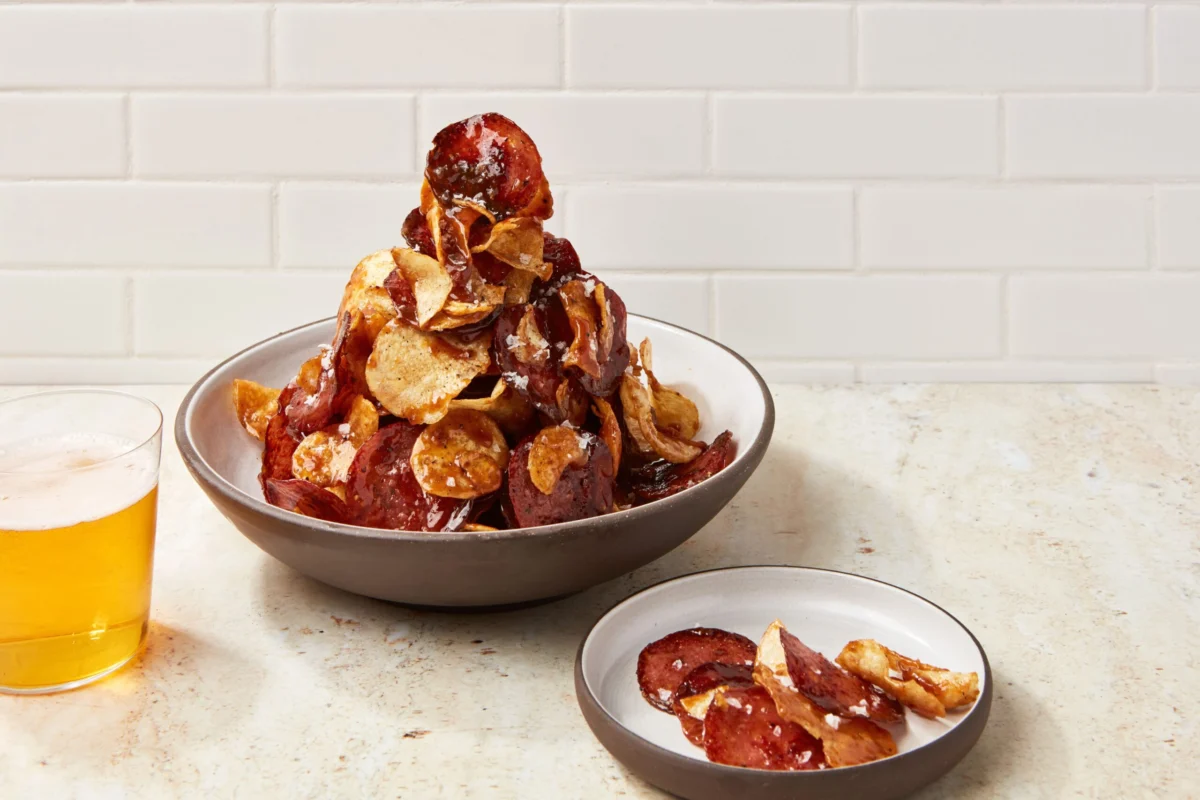
The release of the culinary guide Party Tricks: Easy, Elegant Recipes for Snacking and Hosting by Anna Hezel, published in early 2026 by Chronicle Books, has sparked a renewed dialogue regarding the evolution of American hosting traditions. Central to Hezel’s philosophy is the elevation of the humble potato chip—a staple often dismissed by mid-century culinary authorities—into a versatile and sophisticated component of the modern cocktail hour. This shift reflects broader changes in the hospitality industry, where the "high-low" aesthetic of pairing accessible snacks with premium ingredients has become a dominant trend in both domestic entertaining and professional gastronomy.
The Evolution of the Cocktail Party: From 1940 to 2026
The contemporary embrace of the potato chip as a "chic" party element stands in stark contrast to the historical standards of formal hosting. In his seminal 1940 work, Hors D’Oeuvre and Canapés, the legendary American chef and food critic James Beard famously disparaged the reliance on store-bought snacks. Beard asserted that a proper cocktail party had moved beyond "a bottle of gin, a can of sardines, and a package of potato chips from the corner grocery." At the time, Beard’s critique was a call for greater culinary effort and the adoption of European-style appetizers such as elaborate galantines and hand-composed canapés.
However, in the eight decades following Beard’s publication, the cultural definition of the "great party" has undergone a significant transformation. Hezel argues that the very items Beard viewed as signs of a lack of effort are now recognized for their reliability, texture, and democratic appeal. The potato chip, in particular, offers a consistent salt content and structural integrity that many handmade hors d’oeuvres struggle to replicate. This chronological shift suggests that modern hosting is less about the performance of labor and more about the strategic curation of flavor and atmosphere.
Culinary Versatility and Technical Application
The modern application of potato chips in high-end hosting is categorized by four primary methods: the pairing with premium dips, the customization of seasonings, the use of chips as a textural additive ("chip dust"), and the structural presentation of "chip towers."
Premium Pairings and the Minimalism of Flavor
Hezel’s methodology emphasizes the use of potato chips as a vehicle for expensive or delicate ingredients. A prominent example includes the pairing of salt-and-vinegar chips with crème fraîche and trout roe. This approach allows hosts to serve luxury items like caviar without the labor-intensive process of assembling individual crackers or blinis. By utilizing the acidity of the vinegar-flavored chip, the dish achieves a balance of fat, salt, and acid that mimics high-concept restaurant appetizers. Industry data suggests that the "roe and chip" trend has seen a 25% increase in mentions on social media platforms and restaurant menus over the last three years, indicating a broad consumer appetite for accessible luxury.
The Rise of the "Chip Tower"
The architectural presentation of snacks has moved from the bowl to the "tower," a trend popularized by establishments such as Ernesto’s, a Basque-influenced restaurant in New York City’s Lower East Side. The "Ernesto’s style" involves alternating layers of high-quality potato chips with Ibérico ham or other charcuterie. This method has been further adapted by culinary figures like Jessie YuChen, who incorporates honey butter and crispy salami into stacked chip formations. These towers serve a dual purpose: they provide a visual centerpiece for a party while ensuring that every chip is seasoned or topped, preventing the "dry chip" phenomenon common at the bottom of standard bowls.
Textural Innovation: Chip Dust and Breadings
Beyond serving chips whole, modern recipes increasingly treat the potato chip as a seasoning agent. Pulverized chips, or "chip dust," are utilized to provide a concentrated burst of flavor and crunch. Salt-and-vinegar chip dust is particularly valued for its ability to add a sharp acidic profile to fried foods—such as chicken cutlets—without the moisture of a liquid marinade. This technique has roots in professional kitchens where chefs seek to maximize "umami" and texture through unconventional coatings.

The Shortcut Spanish Tortilla
One of the most significant technical contributions to the "potato chip revival" comes from the world of molecular gastronomy. In his 2011 book The Family Meal, chef Ferran Adrià of the famed El Bulli introduced a recipe for a Spanish tortilla (omelet) made with store-bought potato chips. By soaking the chips in beaten eggs, the potatoes rehydrate into a tender texture that mimics the traditional slow-fried potato slices used in a classic tortilla española. This method has been refined by contemporary cooks like Kendra Vaculin, who utilize flavored chips—such as sour cream and onion—to infuse the eggs with complex seasonings that would otherwise require hours of preparation.
Market Trends and the Economic Context of Entertaining
The shift toward chip-centric hosting is supported by robust data within the global snack food market. As of 2024, the global potato chip market was valued at approximately $34.3 billion, with a projected compound annual growth rate (CAGR) of 4.5% through 2030. The growth is driven not only by casual consumption but by the diversification of flavors and the entry of "kettle-cooked" and "artisanal" brands into the mainstream.
For the modern host, the economic appeal of the potato chip is undeniable. In a climate of fluctuating food costs, a standard bag of high-quality potato chips remains priced under $6, providing a cost-effective alternative to labor-intensive puff pastry tarts or seafood-heavy appetizers. This affordability allows hosts to reallocate their budgets toward premium beverages, such as batch-made martinis or high-end sparkling wines, which pair exceptionally well with the high salt and fat content of fried potatoes.
Industry Response and Cultural Impact
The culinary community has largely embraced the normalization of "low-brow" snacks in formal settings. Food editors and professional chefs have noted that the use of chips reduces "host fatigue"—the phenomenon where the person throwing the party is too occupied with kitchen tasks to engage with guests. By utilizing high-quality store-bought components, hosts can focus on the social "tricks" of the trade: atmosphere, lighting, and conversation.
Publishing houses have also recognized this shift. The acquisition of Hezel’s Party Tricks by Chronicle Books reflects a broader industry move toward "attainable elegance." Contemporary cookbooks are increasingly moving away from the "aspirational" and often impossible standards of the late 20th century, favoring instead a "curated convenience" that aligns with the busy schedules of 21st-century consumers.
Implications for the Future of Gastronomy
The elevation of the potato chip is indicative of a larger movement toward "culinary democratization." When world-renowned chefs like Ferran Adrià and popular authors like Anna Hezel validate the use of a grocery store staple, it breaks down the barriers between professional technique and home cooking.
Furthermore, the "high-low" trend addresses a psychological shift in guests. In an era dominated by highly processed digital experiences, there is a visceral appeal to the "crunch" and "salt" of a familiar snack. When that snack is presented with the flair of a "mile-high tower" or topped with trout roe, it creates a moment of "culinary irony" that is both playful and sophisticated.
As we move further into the decade, the potato chip is likely to remain a permanent fixture of the "chic" pantry. Its role has evolved from a last-minute emergency snack to a foundational element of creative hosting. Whether used as a textural garnish for a tuna casserole, a base for a two-ingredient crème fraîche dip, or a shortcut for a classic Spanish omelet, the potato chip represents the modern intersection of efficiency and elegance. James Beard’s 1940 vision of the sophisticated party may have excluded the chip, but the 2026 perspective recognizes that true hosting mastery lies in the ability to transform the ordinary into the extraordinary.