
 Kang Muslim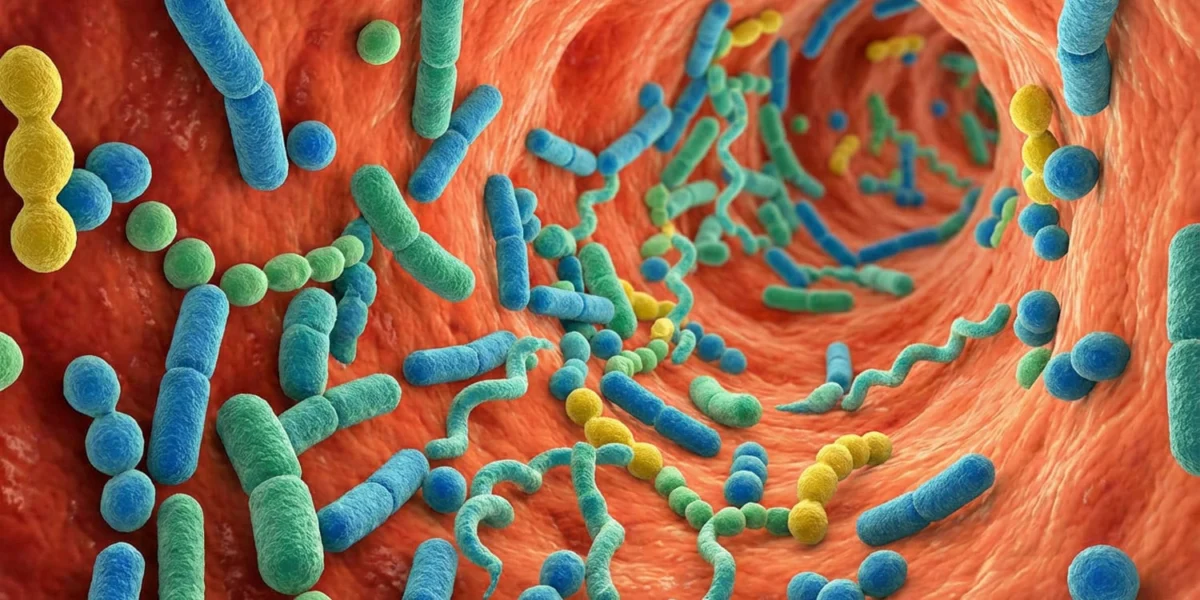
Recent scientific inquiries into the human microbiome have unveiled a compelling and complex biochemical dialogue occurring between the gastrointestinal tract and the central nervous system. In a landmark study recently published in the scientific journal Nature Communications, an interdisciplinary team of researchers from the University of Wisconsin-Madison has demonstrated that a specific by-product of bacterial digestion may actively accelerate the neurological deterioration associated with Alzheimer’s disease. The molecule, known as imidazole propionate, is generated when gut microbes metabolize histidine, a common amino acid found abundantly in various dietary proteins. Elevated concentrations of this circulating metabolite in human blood plasma have now been robustly correlated with accelerated cognitive decline, heightened neuroinflammatory markers, and exacerbated neuropathology in both clinical cohorts and rigorous animal models.
This groundbreaking investigation illuminates the burgeoning field of neurogastroenterology, shifting the traditional paradigm of Alzheimer’s research from a strictly brain-centric pathology to a systemic disorder modulated by gastrointestinal ecology. As the global scientific community grapples with an aging demographic and an escalating prevalence of dementia, identifying modifiable systemic risk factors offers a beacon of hope for novel preventive interventions. The comprehensive study, spearheaded by lead investigators Vaibhav Vemuganti and Jea Woo Kang alongside senior corresponding authors Barbara B. Bendlin and Federico E. Rey, systematically explores how microbial chemistry transcends the gut to destabilize neural architecture.
The Microbiome-Gut-Brain Axis: Background and Context
The human digestive ecosystem is a densely populated habitat housing trillions of microorganisms, collectively referred to as the gut microbiome. Far from being passive passengers, these microbial communities perform indispensable metabolic functions, including the fermentation of dietary fibers and the breakdown of complex proteins. During these enzymatic transformations, bacteria release diverse chemical byproducts, or metabolites, directly into the intestinal lumen, where a significant portion is subsequently absorbed into the bloodstream. Once circulating systemically, these microbial metabolites possess the physiological capacity to interact with peripheral organs and cross specialized biological boundaries, including the blood-brain barrier.
Historically, the scientific exploration of gut metabolites largely focused on short-chain fatty acids like butyrate and propionate, which are generally associated with anti-inflammatory and neuroprotective properties. However, a parallel line of inquiry has increasingly implicated dysregulated microbial metabolism in chronic systemic diseases, including type 2 diabetes, cardiovascular complications, and metabolic syndrome. Because epidemiological data has long established a clear statistical link between metabolic disorders and an elevated risk of cognitive impairment, researchers hypothesized that specific detrimental metabolites might serve as biochemical bridges connecting poor metabolic health to neurodegeneration.
Among these suspect molecules is imidazole propionate. Previous biochemical studies identified that this specific metabolite is synthesized exclusively through the action of bacterial enzymes on histidine. Elevated systemic levels of imidazole propionate have been previously documented in individuals suffering from metabolic disorders, impairing cellular insulin signaling pathways. Building upon this foundational knowledge, the University of Wisconsin-Madison research team sought to determine whether this same microbial byproduct exerts a deleterious influence on cerebral health and the neurobiological cascades governing cognitive aging.
Chronology and Methodology of the Investigation
The multi-phase research initiative combined large-scale human epidemiological data, genetic association analyses, and targeted animal experiments to establish a causal relationship between the metabolite and Alzheimer’s disease pathology. The investigation unfolded across several meticulously designed stages over a multi-year period, leveraging existing longitudinal cohorts and advanced molecular biology techniques.
In the initial clinical phase, the research team analyzed blood plasma samples obtained from nearly 1,200 older adult participants, the vast majority of whom exhibited normal cognitive function at baseline. By quantifying the exact concentration of imidazole propionate in each individual’s blood, the investigators were able to perform cross-sectional and longitudinal comparisons against standardized neuropsychological assessments measuring memory, processing speed, and executive function. To ensure robust statistical validity, the analytical models rigorously controlled for confounding variables, including chronological age, biological sex, body mass index, and the presence of the apolipoprotein E (APOE) gene, which represents the most potent known genetic risk factor for late-onset Alzheimer’s disease.
Following the initial clinical correlations, the research team expanded their inquiry to examine the genetic profile of the gut microbiome itself. Utilizing fecal samples provided by a subset of 294 participants, the scientists sequenced microbial DNA to quantify the abundance of the urdA gene—the genetic blueprint encoding the specific bacterial enzyme responsible for synthesizing imidazole propionate. This genomic mapping allowed the team to pinpoint the exact bacterial families, notably certain strains of Streptococcus, responsible for generating the molecule within the human digestive tract.
To overcome the inherent limitations of observational human studies, which cannot definitively prove cause and effect due to potential confounding factors, the researchers employed Mendelian randomization. This sophisticated statistical technique utilizes naturally occurring genetic variants as instrumental variables, mimicking the design of a randomized controlled trial. By analyzing large international genetic databases, the team identified a distinct genetic polymorphism on chromosome 12 that naturally predisposes certain individuals to accumulate higher blood levels of imidazole propionate.
In the final experimental phase, the team transitioned to in vivo and in vitro models to observe the direct biological consequences of the metabolite. They administered imidazole propionate via drinking water to two distinct transgenic mouse models engineered to replicate hallmark features of Alzheimer’s disease: one strain prone to the accumulation of amyloid-beta plaques and another predisposed to neurofibrillary tau tangles. Furthermore, the investigators conducted laboratory assays utilizing human brain endothelial cells and isolated primary mouse neurons to dissect the precise cellular mechanisms by which the chemical damages neural tissue.
Quantitative Findings and Supporting Data
The empirical data yielded by this multifaceted experimental design revealed striking, consistent correlations across human cohorts, genetic databases, and laboratory models. In the human clinical analysis, participants in the highest quartile of blood imidazole propionate concentrations demonstrated significantly lower baseline cognitive test scores compared to those in the lowest quartile. More alarmingly, longitudinal tracking revealed that these individuals experienced a markedly accelerated rate of cognitive decline. According to advanced statistical forecasting models, the cognitive performance of participants with elevated metabolite levels deteriorated to a functional baseline equivalent to individuals 15 to 18 years their senior, effectively compressing the timeline of cognitive aging.
Biomarker analyses corroborated these cognitive trajectories. When examining cerebrospinal fluid—the protective liquid bathing the central nervous system—and blood plasma, researchers found that high systemic levels of imidazole propionate strongly correlated with elevated concentrations of established Alzheimer’s biomarkers. These included hyperphosphorylated tau proteins, which aggregate into destructive neurofibrillary tangles, and neurofilament light chain, a well-validated structural protein that leaks into biological fluids when nerve cells undergo structural damage and death.
In the genomic analysis of the 294 participant fecal samples, a higher relative abundance of bacteria carrying the urdA enzyme gene tracked in direct tandem with poorer cognitive test scores and heightened Alzheimer’s pathology biomarkers. The Mendelian randomization analysis reinforced these findings by demonstrating that the chromosome 12 genetic variant driving higher natural accumulation of imidazole propionate was statistically associated with an increased clinical risk of developing Alzheimer’s disease. This genetic triangulation strongly suggests that the metabolite acts as an active pathogenic driver rather than an innocent bystander or epiphenomenon.
The animal experiments provided visual and biochemical confirmation of the metabolite’s destructive capabilities. Transgenic mice predisposed to amyloid-beta pathology developed a significantly greater density of cerebral amyloid plaques following months of imidazole propionate supplementation compared to control mice consuming untreated water. In the tau-pathology mouse model, oral administration of the metabolite triggered profound neuroinflammation, marked by the pathological hyperactivity of astrocytes—star-shaped glial cells that normally support neuronal health but undergo reactive scarring in neurodegenerative states. Comprehensive proteomic profiling of these murine brains identified a dramatic upregulation of protein networks associated with axonal degeneration and structural breakdown of nerve fibers.
Mechanistic Insights: Compromising the Blood-Brain Barrier
Because imidazole propionate originates in the gastrointestinal tract, its journey to the central nervous system necessitates crossing systemic circulation and navigating the blood-brain barrier (BBB). This highly selective, tightly packed cellular monolayer lines the cerebral blood vessels, acting as a critical guardian that shields delicate neural tissue from circulating pathogens and systemic toxins.
To determine how the gut-derived metabolite breaches this defense, the researchers exposed cultured human brain endothelial cells to imidazole propionate in a controlled laboratory environment. The exposure precipitated a measurable reduction in the electrical resistance across the cellular monolayer, serving as a direct indicator of compromised barrier integrity. To validate these in vitro observations in a living organism, the research team administered intravenous injections of a specialized blue dye to mice treated with the metabolite.
The resulting histological examination revealed extensive leakage of the dye into the surrounding brain parenchyma. This undeniable evidence confirmed that circulating imidazole propionate physically damages cerebral microvessels, stripping away their barrier properties and allowing neurotoxic agents, including the metabolite itself and inflammatory molecules, to abnormally infiltrate the central nervous system.
Once inside the neural microenvironment, the metabolite launches a targeted cellular assault. In experiments utilizing isolated primary mouse neurons, direct application of imidazole propionate induced the rapid intracellular accumulation of damaged tau proteins. To uncover the enzymatic pathway responsible for this catastrophe, the researchers introduced a chemical inhibitor designed to block GSK3-beta (glycogen synthase kinase-3 beta). This specific enzyme is historically recognized for its pathological role in abnormally attaching phosphate molecules to tau proteins, precipitating their destabilization and aggregation into toxic tangles.
Remarkably, the application of the GSK3-beta inhibitor completely reversed the metabolite-induced tau accumulation in cultured neurons. This critical finding maps out the exact molecular signaling cascade utilized by the gut bacterial by-product: imidazole propionate activates or dysregulates GSK3-beta activity within neurons, driving tau hyperphosphorylation and subsequent neurodegeneration.
Broader Impact, Limitations, and Future Implications
The publication of this study marks a significant conceptual evolution in neurodegenerative disease research. By establishing a mechanistic chain of events linking a specific bacterial enzyme, a dietary amino acid, a circulating microbial metabolite, compromised vascular integrity, and intracellular tau pathology, the investigators have outlined a highly actionable framework for future therapeutic exploration.
Experts in the fields of neurology and gastroenterology note that these findings validate the growing hypothesis that targeting the human microbiome could offer entirely novel avenues for mitigating cognitive decline. Unlike the central nervous system, which is notoriously difficult to access pharmaceutically due to the protective constraints of the blood-brain barrier, the gastrointestinal microbiome is remarkably accessible. This accessibility raises the tantalizing prospect of utilizing targeted dietary modifications, precision prebiotics, engineered probiotics, or small-molecule inhibitors to suppress the activity of bacterial enzymes like urdA, thereby halting the systemic production of imidazole propionate before it can reach the brain.
Despite the profound implications of the research, the study’s authors and independent commentators emphasize several important limitations that must be addressed in subsequent investigations. Primarily, while the human observational data establishes a robust statistical correlation between circulating imidazole propionate and accelerated cognitive decline, observational studies cannot definitively prove that interventions aimed at lowering the metabolite will prevent the onset of clinical dementia.
Furthermore, the animal experiments relied exclusively on male murine models provided with the chemical via their drinking water. This administration route, while effective for controlled dosing, may not perfectly replicate the physiological kinetics of natural microbial synthesis and intestinal absorption in humans. Additionally, because biological responses to metabolic byproducts frequently exhibit sexual dimorphism, future research must incorporate female animal models to determine whether the neurodegenerative effects of imidazole propionate vary across biological sexes.
Looking ahead, the scientific community is preparing to launch translational studies aimed at evaluating whether specific nutritional interventions or pharmacological agents can safely and effectively reduce imidazole propionate levels in human clinical populations. As the boundaries between systemic metabolism and neurology continue to dissolve, discoveries of this caliber underscore the profound truth of the ancient medical maxim that overall health—and perhaps cognitive longevity—begins in the gut.









