Johny Marice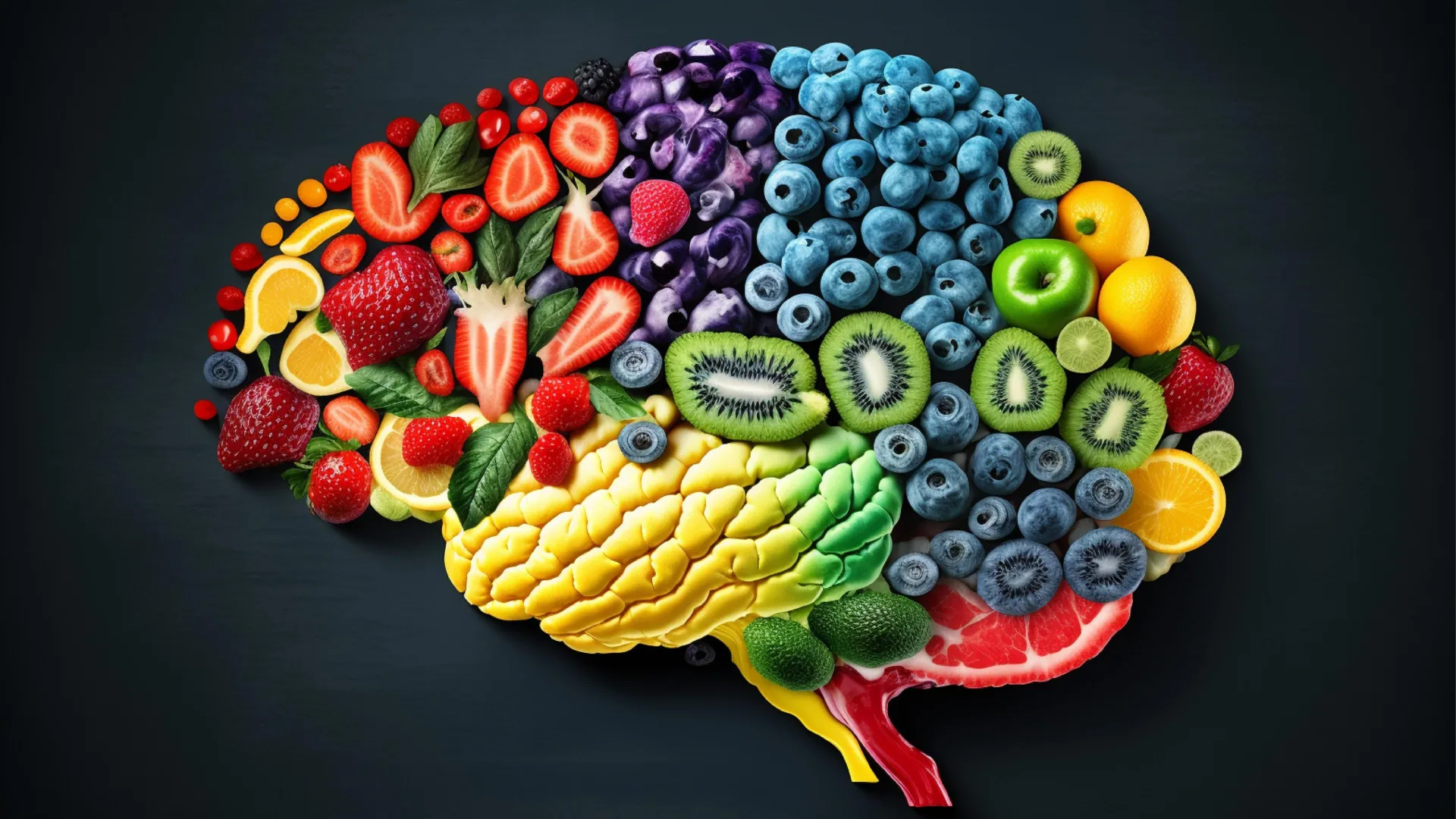
As the global population ages, the search for non-pharmacological interventions to preserve cognitive function has become a central focus of geriatric research. A significant study recently published in the Journal of Neurology, Neurosurgery & Psychiatry provides compelling evidence that dietary choices may serve as a powerful tool in slowing the structural degradation of the human brain. The research highlights the effectiveness of the MIND diet—a hybrid nutritional strategy combining the Mediterranean diet with the Dietary Approaches to Stop Hypertension (DASH) plan—in mitigating the physical markers of brain aging, such as grey matter loss and ventricular enlargement.
The study, which tracked the health trajectories of 1,647 participants over a two-decade period, suggests that adherence to this specific eating pattern could potentially delay the neurological signs of aging by several years. By focusing on nutrient-dense, anti-inflammatory foods, individuals may be able to protect the neural architecture critical to memory, executive function, and information processing.
The Origins and Composition of the MIND Diet
The MIND diet—short for Mediterranean-DASH Intervention for Neurodegenerative Delay—was originally developed by nutritional epidemiologists at Rush University Medical Center to target neurodegeneration. While the Mediterranean and DASH diets are both well-regarded for their cardiovascular benefits, the MIND diet specifically isolates and emphasizes foods linked to cognitive health.
The dietary protocol encourages the daily or weekly consumption of green leafy vegetables, other cruciferous vegetables, berries, nuts, whole grains, beans, olive oil, and lean poultry. Conversely, it prescribes strict limitations on items known to induce systemic inflammation, such as butter, cheese, red meat, fried fast foods, and processed sweets. Berries, in particular, are highlighted for their high concentration of flavonoids, which are theorized to reduce oxidative stress—a primary driver of neuronal damage in the aging brain.
Study Methodology and Longitudinal Data
To understand the long-term impact of this diet, researchers utilized data from the Framingham Heart Study Offspring cohort (FOS). This longitudinal project, one of the longest-running cardiovascular and neurological studies in history, provided a robust dataset for assessing the relationship between nutrition and brain structure.
The study followed 1,647 adults, with an average starting age of 60, beginning in 1999 and concluding in 2019. Throughout these twenty years, participants underwent rigorous health evaluations every four to eight years. Crucially, the research team employed serial magnetic resonance imaging (MRI) scans, conducted every two to six years, to track structural changes in the brain. At the commencement of the study, all participants were screened to ensure they had no pre-existing history of dementia or stroke, allowing researchers to observe "healthy" aging as it progressed in real-time.
Dietary habits were meticulously tracked using food frequency questionnaires (FFQs) collected at multiple intervals between 1991 and 2001. By cross-referencing these dietary profiles with the subsequent MRI imaging, the researchers were able to quantify the rate of neuroanatomical change in relation to how strictly each participant adhered to the MIND diet.
Quantifying the Protective Benefits
The results were statistically significant. On a scale of 1 to 15, the average MIND diet score among participants was just under 7. When researchers stratified the participants into groups based on their adherence levels, a clear pattern emerged: those in the highest third of the cohort showed significantly slower rates of grey matter atrophy.
Specifically, for every three-point increase in an individual’s MIND diet score, the rate of grey matter loss slowed by approximately 0.279 cm³ per year. In practical terms, this represents a 20% reduction in age-related decline, which researchers equate to approximately 2.5 years of delayed brain aging. Furthermore, the enlargement of brain ventricles—the fluid-filled cavities that expand as surrounding brain tissue shrinks—was also mitigated. A three-point increase in the diet score was linked to a slower ventricular expansion of 0.071 cm³ per year, correlating to about one year of delayed structural aging.
These findings are particularly relevant for clinicians managing patients at risk for neurodegenerative conditions like Alzheimer’s disease. While the study cannot confirm that the diet is a cure, it offers a measurable metric for how lifestyle modifications might "buy time" against the inevitable structural shifts of the aging brain.
The Role of Specific Food Groups
The study offered granular insights into which specific foods drive these neuroprotective effects. Poultry and berries emerged as the most consistent contributors to slower ventricular enlargement and reduced grey matter loss. Researchers hypothesize that the combination of high-quality protein and antioxidants helps to neutralize the oxidative stress that accumulates in the brain over time.
However, the findings also contained anomalies that warrant further investigation. While the MIND diet generally advocates for whole grains, the study found that higher whole grain intake was associated with faster losses of grey matter and hippocampal volume. Conversely, cheese consumption—typically discouraged in strict MIND guidelines—was associated with slower declines in brain volume and fewer signs of white matter hyperintensities (markers of small vessel disease).
These unexpected results suggest that the relationship between nutrition and brain health is complex. It is possible that specific nutrients within these food groups interact differently with the brain than previously understood, or that the demographic profile of the participants influenced these correlations in ways the current models did not fully capture.
Implications for Public Health and Policy
The implications of these findings for public health are profound. As the global population shifts toward a higher median age, the cost of treating neurodegenerative diseases is projected to escalate exponentially. If a non-invasive, low-cost intervention such as a dietary shift can delay the onset of structural brain decline by even one or two years, the societal impact could be substantial.
The study authors noted that the benefits were particularly pronounced in older adults and those who maintained a physically active lifestyle. This suggests that the MIND diet does not function in a vacuum but is most effective when integrated into a holistic approach to health. "The MIND diet is not a magic bullet," notes one expert familiar with the research. "It is a foundational element that, when combined with cardiovascular health and regular physical activity, creates a more resilient biological environment for the brain."
Scientific Limitations and Future Directions
Despite the strength of the data, the research team was careful to acknowledge the limitations inherent in observational studies. Because the data was gathered through self-reported questionnaires, the possibility of recall bias—where participants may misremember or inaccurately report their dietary habits—cannot be ignored. Furthermore, the cohort was predominantly composed of White individuals, meaning the findings may not be fully generalizable to more diverse ethnic or socioeconomic populations.
Additionally, while the study establishes a strong correlation between the MIND diet and slower brain atrophy, it cannot definitively prove cause and effect. It remains possible that individuals who choose to follow a healthy diet also possess other unmeasured lifestyle traits—such as higher cognitive reserve, better access to healthcare, or genetic factors—that protect their brain structure independently of their food intake.
Conclusion: A Foundation for Future Research
The research published in the Journal of Neurology, Neurosurgery & Psychiatry reinforces the growing body of literature linking metabolic health to neurological integrity. By demonstrating that dietary patterns are associated with the physical volume of the brain, the study provides a tangible target for future clinical trials.
As the medical community moves toward more personalized medicine, understanding how diet influences the brain at a structural level will be essential. Future studies will need to move beyond observational cohorts to randomized controlled trials, testing whether deliberate dietary intervention can halt or reverse the early stages of cognitive decline. For now, the evidence suggests that the choices made at the dinner table may be just as important for long-term brain health as the choices made in the doctor’s office. The MIND diet represents a accessible, sustainable, and scientifically backed pathway toward aging with greater cognitive resilience.