
 Reynand Wu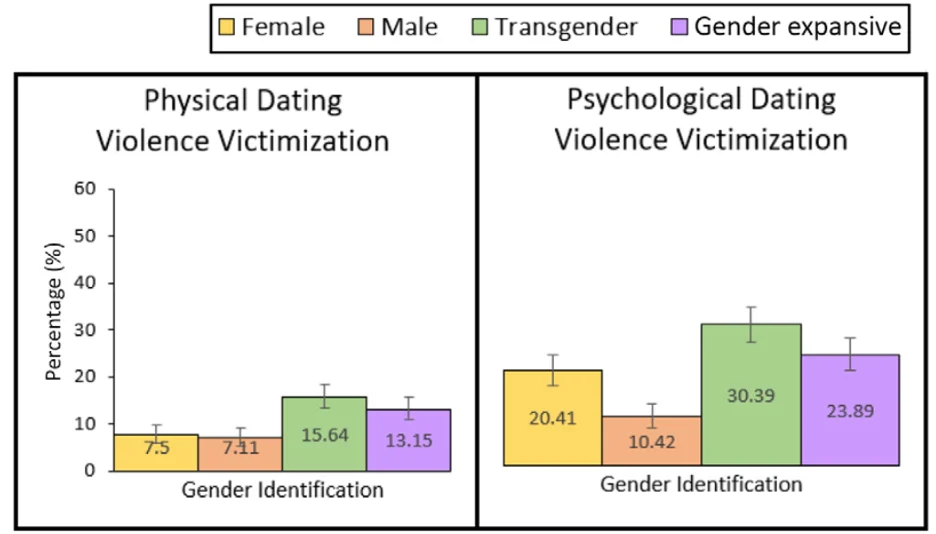
In recent years, the landscape of modern courtship has undergone a radical transformation, largely driven by the ubiquity of dating applications. While sociologists have long scrutinized the emergence of hookup culture and shifting intimacy norms, the discourse has frequently suffered from two critical blind spots: a disproportionate focus on the collegiate experience and a systemic failure to center the unique, often perilous realities faced by transgender and gender-nonconforming individuals. As digital platforms become the primary gateway for romantic and sexual connection, the lived experiences of trans people—characterized by high rates of violence, fetishization, and the exhausting calculus of safety—have moved to the forefront of critical sociological inquiry.
A Landscape of Heightened Vulnerability
The data surrounding trans dating experiences paint a sobering picture of contemporary social relations. According to a 2021 study published in the journal Pediatrics, transgender youth are twice as likely as their cisgender female counterparts to encounter physical dating violence. Furthermore, they are 50 percent more likely to suffer from psychological abuse within the context of romantic or sexual encounters. These statistics are not mere data points; they represent a systemic failure to protect a demographic that is increasingly visible yet simultaneously targeted by a pervasive culture of transphobia.
The challenges are multifaceted. A 2023 study published in The Journal of Sex Research highlights that many trans individuals face persistent fetishization, a phenomenon where prospective partners prioritize the individual’s gender identity as a sexual curiosity rather than a facet of their humanity. One participant noted, "Because I’m a trans woman, people instantly assume that I must be this massive bottom," illustrating how essentialist assumptions frequently override personal agency. For trans men, the experience of being "talked at" rather than "talked to" remains common, as partners often engage with a pre-existing, inaccurate archetype rather than the individual themselves.
The Geography of Disclosure and the Calculus of Safety
For many trans people, the use of dating applications necessitates a difficult strategic decision: when, how, and whether to disclose their gender identity. This is rarely a casual choice; it is often a matter of survival. Research indicates that the majority of trans users on dating apps proactively disclose their identity, not necessarily out of a desire for radical transparency, but out of a legitimate, life-altering fear of violence.
For those residing in rural or politically conservative areas, the anxiety is compounded. A genderfluid participant noted that when meeting a stranger from an app, the thought, "that person could be the person that kills me," is a constant companion. This pervasive hypervigilance forces many to adopt "softer" disclosure methods, such as utilizing multiple profile photos that signal their identity through aesthetic or social cues, or avoiding disclosure until they have gauged the safety of the interaction. This "gamification" of safety—where the victim must manage the potential for the perpetrator’s violent reaction—is a unique burden that cisgender daters rarely have to consider.
Intersectional Risks: The Crisis Facing BIPOC Trans Women
The risks of dating violence are not distributed equally within the trans community. Evidence from a 2021 study in the journal Social Sciences indicates that BIPOC (Black, Indigenous, and People of Color), queer, and transfeminine individuals are the most statistically vulnerable to interpersonal violence. This vulnerability is often exacerbated by the stigma surrounding their partners.
A 2022 study exploring the experiences of BIPOC trans women revealed that their cisgender male partners frequently enforce a "secret" status on the relationship. The pressure to remain hidden from the public eye creates a dangerous environment. When the risk of discovery—the fear that their peer group might learn of their relationship with a trans woman—becomes too high, some men resort to physical violence to suppress the association. One survivor articulated this stark reality: "We are getting killed just because the guys here were scared that their secret would come out." Consequently, many trans women have developed "survival strategies," including constant hypervigilance, curated presentation to avoid "passing" or being "found out," and the systematic avoidance of men who exhibit possessive or volatile behaviors.
A Chronology of Increasing Visibility and Counter-Backlash
The intersection of trans visibility and dating violence is unfolding against a volatile political backdrop. The last decade has seen a dual trajectory: on one hand, the increased representation of trans people in media and public life; on the other, a record-breaking surge in anti-trans legislation across the United States.
- 2013-2015: Initial sociological studies focus on the "hookup culture" on college campuses, primarily centering cisgender, heterosexual experiences.
- 2019-2020: Increased academic attention begins to shift toward the role of algorithms and dating apps in facilitating social interaction, though the specific experiences of trans users remain marginalized.
- 2021: Landmark studies are published documenting the disparity in dating violence between trans youth and cisgender women, forcing a re-evaluation of public health and safety protocols.
- 2022-2023: Research shifts toward the lived experiences of intersectional groups, particularly BIPOC trans women, highlighting the link between societal stigma, "trans panic" behaviors, and lethal violence.
- Present Day: Activists and researchers are increasingly calling for policy interventions, including the abolition of the "trans panic" legal defense, which has historically allowed defendants to argue that the discovery of a victim’s gender identity provoked a "heat of passion" defense for murder or assault.
Potential Remedies and Institutional Responsibility
The academic consensus suggests that addressing these systemic issues requires a multi-pronged approach. First, there is a clear demand for comprehensive, trans-inclusive sex education that extends beyond the classroom to include community-based violence prevention training. Education that humanizes trans people and explicitly addresses the myths surrounding gender identity has been shown to reduce anxiety and promote safer social interactions.
Second, the platforms themselves bear a significant burden of responsibility. Many users have called for more robust filtering and safety features that allow trans individuals to curate their experiences without being subjected to harassment. As one study participant bluntly put it, "The majority of the interactions I have with cis men on dating apps are just [harmful]… can I have less of them pop up?" While dating apps have introduced some "identity badges," these features are often insufficient to prevent the kind of targeted harassment or fetishization that leads to real-world violence.
Finally, there is a mounting legal movement to prohibit the "trans panic" defense. This legal strategy, which has been used to justify violence against trans people for decades, remains a critical barrier to justice. By codifying the prohibition of this defense, states can send a clear message that the existence of a trans person is not a provocation for violence.
Implications for the Future
The current state of trans dating is a reflection of the broader societal treatment of trans individuals. As long as trans identity is stigmatized or treated as a "secret" to be hidden, the romantic and sexual lives of trans people will remain fraught with peril. The sociological data is unequivocal: the violence experienced by trans people in dating scenarios is not a series of isolated, random incidents but a predictable outcome of deep-seated transphobia and the lack of systemic protections.
Moving forward, the goal must be to transition from a culture of hypervigilance to one of safety and agency. This requires not only academic research but also institutional commitment from the technology companies that control the modern dating market, as well as legislative action to ensure that the law does not provide a loophole for those who would commit violence. As society continues to grapple with the complexities of gender and identity, ensuring that trans people can pursue intimacy without the fear of state-sanctioned or interpersonal violence is a fundamental human rights imperative. The path forward demands a more inclusive, empathetic, and protected space for all, ensuring that the promise of modern connection is available to everyone, regardless of their gender identity.







