
 Reynand Wu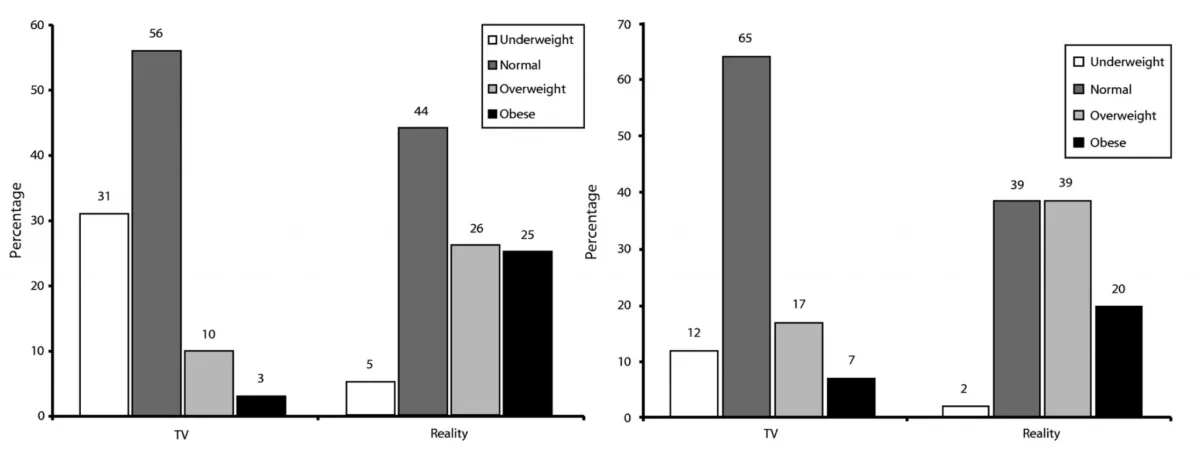
Television remains one of the most influential cultural mediums in the modern era, shaping societal norms, personal aspirations, and the collective understanding of beauty. However, decades of media research reveal a systemic bias within the industry that consistently marginalizes, mocks, and distorts the representation of fat individuals. This persistent narrative does not merely exclude larger bodies; it actively constructs a reality where thinness is synonymous with virtue, intelligence, and success, while fatness is relegated to tropes of villainy or comic relief. The implications of these portrayals are profound, affecting everything from self-esteem and body image to the internalization of harmful social hierarchies.
A Chronology of Exclusion: Historical Trends in Representation
The disparity between the American population and its televised representation has been documented for over twenty years. A seminal 2003 study by Brownell et al., published in the American Journal of Public Health, provided a quantitative look at the landscape of body types on screen during the turn of the millennium. By comparing real-world body mass index (BMI) data from the U.S. population with the body types of characters on popular television programs between 1999 and 2000, researchers found a striking disconnect. While obesity rates in the actual population were steadily climbing, television remained an bastion of thinness.
In the years following this landmark study, the landscape has seen minor shifts toward diversity, yet the core mechanics of marginalization remain intact. Throughout the 2000s and 2010s, the "sitcom sidekick" trope solidified, with larger actors frequently cast as the butt of the joke rather than the protagonist of their own narratives. In the current era of streaming, while some platforms have introduced more nuanced characters, the foundational bias against larger bodies persists in the form of "tokenism"—where fat characters are granted screen time but are rarely afforded the same emotional depth, romantic development, or narrative agency as their thin counterparts.
Quantitative Analysis of the Small Screen
The data regarding the treatment of these characters is statistically significant. A 2021 study by Tzoutzou et al. examined the distribution of positive feedback regarding appearance on screen. The findings were stark: out of 36 specific compliments regarding physical appearance directed toward female characters, every single one was awarded to a thin woman. There was a complete absence of positive reinforcement for women of average or larger body types. This pattern was mirrored in the representation of men; in the same sample, only one overweight male character received a positive comment regarding his appearance.
This lack of positive affirmation is compounded by a high frequency of ridicule. Research indicates that overweight women are roughly twice as likely to be the subject of a joke compared to their thinner counterparts. This is not merely a matter of lighthearted humor; it is a mechanism of dehumanization. When fatness is consistently presented as a punchline, it reinforces the societal view that larger bodies are inherently absurd or undesirable.
Furthermore, the "villainization" of larger bodies remains a staple of children’s media. A 2007 study by Himes and Thompson analyzed the most popular children’s videos and found that obesity was directly equated with negative traits—such as being evil, unattractive, or cruel—in 64% of the content. Iconic characters like Ursula from Disney’s The Little Mermaid or the Queen of Hearts from Alice in Wonderland serve as primary examples, cementing the visual association between larger physical proportions and moral corruption in the minds of developing viewers.
The Psychological Impact: The Thin Ideal and Internalization
The consequences of these media portrayals extend far beyond the television screen. The theory of the "thin ideal" posits that repeated exposure to uniform, thin body types leads audiences to internalize these images as the only acceptable standard of beauty. This internalization is not a slow process; it can be remarkably swift. Research by Fouts and Burggraf revealed that as little as 30 minutes of exposure to standard sitcom portrayals can significantly impact a young woman’s self-perception.
When viewers constantly see their own body types excluded from the narrative or treated with derision, they often begin to perceive their own bodies through the same critical lens. This process of self-objectification is linked to various psychological struggles, including increased rates of dieting, body dysmorphia, and disordered eating. The media, by transmitting these unrealistic standards, effectively sets the stage for a cycle of insecurity that affects millions.
Moreover, the impact is not limited to self-image; it alters the viewer’s perception of social dynamics. If an audience consistently observes that larger characters are treated with sexism or marginalization, they may internalize the belief that such treatment is the inevitable social cost of having a body that does not conform to the norm. This fear of being treated poorly can lead to social withdrawal or an obsessive drive to attain the thin ideal to ensure social acceptance.
Industry Implications and the Demand for Change
Media scholars and body-positivity advocates argue that the industry has a responsibility to rectify these imbalances. The argument is not simply for "more" representation, but for "better" representation—where fat characters are allowed to be complex, flawed, heroic, and romantic, rather than existing as mere foils to thin leads.
Official responses from media executives have historically been slow to acknowledge the systemic nature of this bias. While many networks and production companies have implemented diversity and inclusion initiatives, these often focus on racial or ethnic representation, frequently overlooking the pervasive nature of weight-based discrimination. Advocacy groups, however, are increasingly calling for more rigorous standards in casting and character development. The pressure on writers’ rooms to move beyond the "comedy sidekick" trope is mounting, as modern audiences become more conscious of the narratives they consume.
The socioeconomic implications are also worth noting. Television is a powerful tool for social conditioning; when the industry chooses to exclude or demonize specific body types, it reinforces a discriminatory status quo in the real world. By diversifying the physical types represented on screen, the industry has the potential to foster a more inclusive cultural environment, one where viewers of all shapes and sizes can see themselves reflected with dignity.
Moving Toward Equitable Representation
The path toward equitable representation requires a fundamental shift in how creators approach character development. It necessitates a move away from the "fat-as-a-defining-trait" narrative, where a character’s weight dictates their entire personality or plot function. Instead, proponents of change argue for a reality where body type is merely one facet of a character, rather than the lens through which the audience is instructed to judge their worth.
As the media landscape continues to evolve, the demand for authentic representation will likely grow. Audiences are increasingly rejecting tired tropes in favor of stories that reflect the actual diversity of the human experience. For television to fulfill its potential as a medium for both entertainment and social connection, it must widen its scope to include all bodies. The goal is a media landscape that is truly for everyone, where the joy of storytelling is not gated by an exclusionary and outdated standard of beauty. The evidence is clear: the current trajectory of representation is not just a creative failure; it is a public health and social issue that warrants continued academic study and institutional reform.







