
 Reynand Wu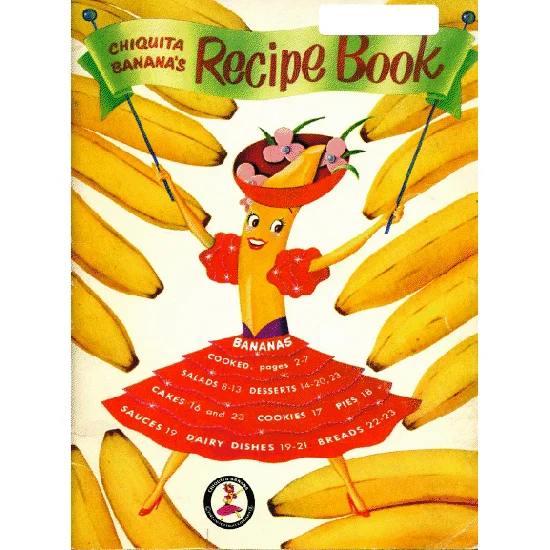
Over the course of the past year, Mars Wrigley’s iconic M&M’s brand has found itself at the epicenter of a polarizing cultural debate that has traversed social media platforms, prime-time news broadcasts, and high-profile advertising slots during the Super Bowl. What began as a corporate initiative to modernize its marketing aesthetic evolved into a flashpoint for broader societal tensions regarding gender roles, the sexualization of mass-market characters, and the shifting expectations of corporate responsibility in a hyper-polarized political climate. The controversy highlights a growing friction between brands attempting to embrace inclusivity and segments of the public that view such pivots as an affront to traditional cultural markers.
A Chronology of the Rebrand and Backlash
The controversy can be traced back to January 2022, when Mars Wrigley announced a global brand refresh. The objective, according to the company, was to create a "more dynamic, inclusive" brand identity. As part of this effort, the company altered the visual characteristics of its well-known spokescandies. The brown M&M, previously identified by high-stiletto heels, saw those heels shortened to a more practical height. Concurrently, the green M&M—long established in the brand’s marketing as a femme fatale archetype—had her signature white go-go boots replaced with flat, casual sneakers.
The reaction was immediate and disproportionate to the scale of the change. By early 2023, the discourse had escalated significantly. Conservative media figures, most notably Tucker Carlson, then of Fox News, utilized the platform to cast the change as part of a larger, systemic effort to strip away traditional femininity. Carlson famously remarked, “M&M’s will not be satisfied until every last cartoon character is deeply unappealing and totally androgynous.”
The situation intensified in September 2022 with the introduction of "Purple," a new spokescandy designed to represent inclusivity and acceptance. This addition, combined with the earlier modifications to the green and brown characters, prompted a second wave of commentary. Carlson again utilized his platform to decry the brand’s direction, specifically criticizing the physical appearance of the new character and questioning the "sexual orientation" of the green M&M. The intensity of the public outcry led Mars Wrigley to take the unusual step of announcing a temporary hiatus for its spokescandies in early 2023, replacing them with actress Maya Rudolph for a limited-time marketing campaign.
Historical Context: The Sexualization of Corporate Mascots
To understand the intensity of the M&M debate, it is necessary to examine the long-standing tradition of gendered and sexualized marketing in the food and beverage industry. The use of mascots to personify products is a cornerstone of American consumerism, dating back to the early 20th century.
A primary historical example is the Chiquita Banana mascot. Introduced in the 1940s, the brand used a fruit-wearing female character to market bananas to the American public. Scholars have noted that the character was intentionally racialized and sexualized, utilizing tropes of the "exotic" woman to build brand appeal. The character’s mannerisms—frequent winking, exaggerated hip movements, and suggestive attire—served to codify her as a sexualized object within the domestic sphere.
The M&M’s brand has followed a similar, if modernized, trajectory. For decades, the green M&M was marketed through a lens of hyper-femininity and sexual availability. Television commercials frequently depicted the character in suggestive scenarios, including pole dancing or engaging in flirtatious interactions with male M&M counterparts who would, in turn, exhibit behavior typical of the "male gaze." By design, these characters were not merely candy; they were avatars of human social hierarchies. The transition away from high heels and boots was, therefore, not just a design choice, but a rejection of the specific, narrow archetype the brand had spent years cultivating.
The Theory of Emphasized Femininity
Sociologically, the backlash against the M&M rebranding can be understood through the concept of "emphasized femininity." First defined by sociologist Raewyn Connell, this term describes a set of socially constructed norms that prioritize the accommodation of male desires and the reinforcement of the gender hierarchy. When corporations move away from these norms, they disrupt the expectations of those who rely on these traditional markers to define their own sense of identity.
The outrage directed at the brand indicates that many consumers view these mascots as extensions of their own cultural values. When the "sexy" traits were removed from the female M&M’s, it was interpreted by some as a loss of the status quo. The intensity of the response—treating a change in footwear as a "culture war" issue—speaks to the fragility of these gendered norms. When female figures deviate from conventional attractiveness, they are often subject to social sanctioning, including being labeled as "unappealing" or "undesirable." The backlash suggests that for some, the value of a female figure—even a fictional one—is intrinsically tied to her perceived compliance with male sexual preference.
The Impact of Hypersexualization on Younger Demographics
The normalization of hypersexualized mascots has significant implications for media literacy and adolescent development. Research consistently demonstrates that exposure to sexualized imagery in advertising contributes to the objectification of women and girls in real-world settings. When children and adolescents observe these mascots, they internalize the messaging that a woman’s worth is tied to her physical appearance and her utility as a sexualized subject.
The "culture war" framing of the M&M incident obscures a more critical conversation: the responsibility of global brands to move beyond regressive tropes. By continuing to use hypersexualized characters to sell products, corporations perpetuate a cycle that reduces individuals to objects of desire. The backlash, while ostensibly about "tradition," effectively reinforces the belief that women who do not conform to hyper-feminine standards should be excluded from the cultural narrative.
Corporate Strategy and Future Implications
From a business perspective, the M&M saga serves as a case study in the risks of performative inclusivity. Mars Wrigley’s attempt to align with modern social sensibilities was met with a swift and vocal rejection from conservative demographics, while simultaneously facing skepticism from those who viewed the changes as surface-level marketing rather than genuine social progress.
Data from recent marketing studies suggest that consumers are increasingly polarized in their expectations of brand activism. A 2022 survey indicated that while a majority of younger consumers prefer brands that align with their social values, a significant portion of older, more traditional consumers react negatively to what they perceive as "woke" corporate messaging. The M&M controversy illustrates that brands attempting to navigate this divide often find themselves losing on both fronts: failing to satisfy the demand for substantive change while alienating a core base that views any deviation from tradition as an act of hostility.
Ultimately, the M&M’s experience underscores that the branding choices made by major corporations are never truly neutral. Every aesthetic change to a mascot carries with it the baggage of historical stereotypes and contemporary anxieties. As the debate cools, the long-term impact on the brand remains to be seen. However, the controversy serves as a stark reminder that in the modern digital age, the line between a consumer product and a political symbol is increasingly thin. The path forward for companies likely involves a more nuanced approach—one that acknowledges the social history of its imagery while seeking to foster a more inclusive environment that does not rely on outdated tropes for engagement. The real-world implications of this debate—the stigmatization of non-traditional gender roles and the continued objectification of female figures—will remain a significant area of study for sociologists and marketing professionals alike as they navigate the evolving landscape of public discourse.







