
 Ronny Sianturi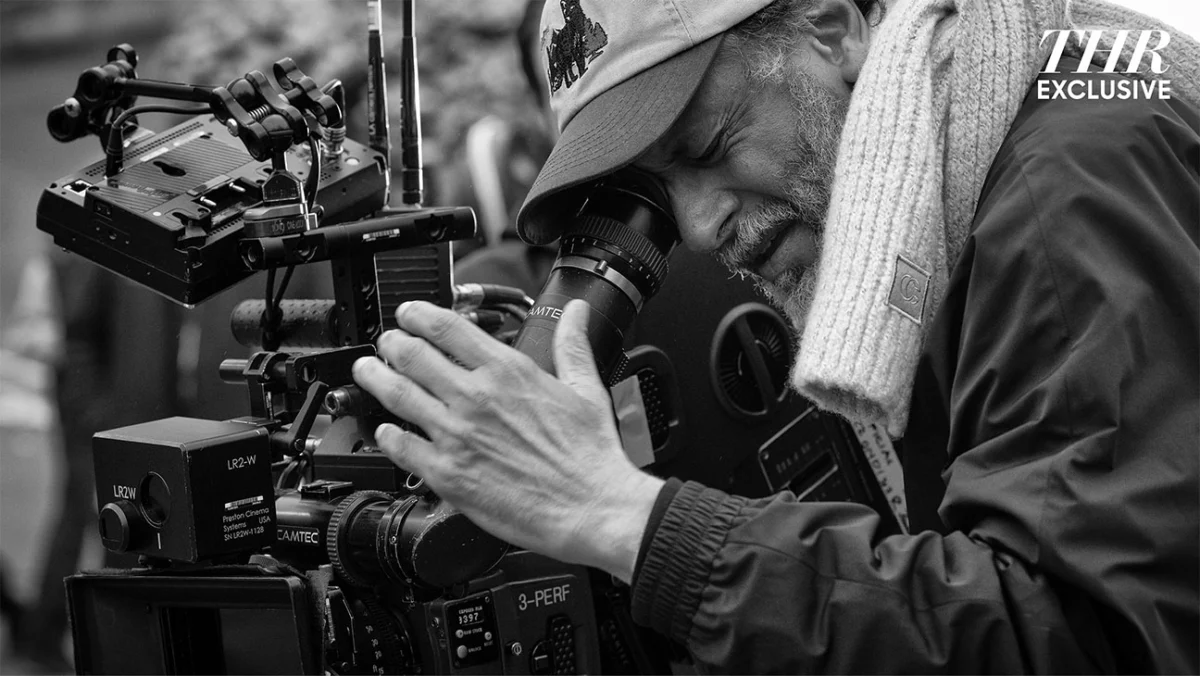
The modern intersection of Hollywood and Silicon Valley faced a severe reality check last June when Amazon MGM Studios abruptly chose to divest itself from Artificial, a provocative biographical drama detailing the genesis of OpenAI and the turbulent relationship between its founders, Sam Altman and Ilya Sutskever. Directed by acclaimed filmmaker Luca Guadagnino and starring Andrew Garfield alongside Yura Borisov, the $40 million feature was developed entirely within the Amazon ecosystem. However, coinciding with Amazon’s planned $50 billion strategic investment initiative directed toward OpenAI, corporate leadership made the unexpected determination that the motion picture would be better served under a different banner. This high-stakes corporate pivot transformed one of the entertainment industry’s most anticipated titles into an orphaned asset, sparking widespread speculation across major talent agencies and streaming boardrooms regarding whether modern media conglomerates can comfortably finance critical examinations of the very technology titans currently reshaping global finance and communication.
The Secret Screening and the Scramble for Acquisition
The trajectory of the film shifted dramatically at 6:00 a.m. on a Wednesday in Century City, where executives from independent distributor Neon convened at the headquarters of Creative Artists Agency (CAA) for an unannounced private screening. Warned only that the surprise presentation would justify the early hour, the leadership team watched the completed project. Neon, operating under the guidance of Tom Quinn, seized the opportunity immediately. They became the first studio to evaluate the picture before it was made available to competing bidders such as Netflix, Searchlight Pictures, and A24.
While initial reactions among industry executives skewed largely positive, the vast majority of prospective buyers ultimately passed on the acquisition. This widespread hesitation fueled intense industry rumors concerning the film’s commercial viability, its substantial production expenditures, and potential legal complications. Furthermore, industry observers questioned whether major studios tied to Silicon Valley infrastructure were hesitant to distribute a project that cast an unflinching, frequently critical eye on the architects of generative artificial intelligence.

The impasse broke when Neon finalized a distinct acquisition agreement. Rather than paying an upfront purchase price, Neon committed to an aggressive $15 million marketing spend to support the title, scheduling a nationwide theatrical release for Christmas Day following its premiere at the New York Film Festival.
Chronology of Production and Creative Vision
Written by humorist and television writer Simon Rich, Artificial traces the ideological trajectory of OpenAI from its idealistic origins during the Obama administration through its scaling challenges during subsequent presidential administrations. The narrative structure intentionally pivots, beginning primarily through the perspective of Ilya Sutskever, portrayed by Yura Borisov as a figure driven by childlike scientific purity, before shifting focus to Sam Altman, played by Andrew Garfield with a chillingly pragmatic drive to dominate the technological frontier.
The production itself adhered to a rigorous timeline. Principal photography commenced in September 2025 and concluded following a tightly managed 34-day schedule. Director Luca Guadagnino, collaborating with director of photography Malik Hassan Sayeed, deliberately eschewed digital shortcuts in favor of an analog aesthetic, shooting entirely on 35mm film stock. Significantly, the production utilized zero generative artificial intelligence tools, aligning with Guadagnino’s strict auteur philosophy.
Despite tabloid reports alleging production disasters and extensive reshoots, production documents reviewed following the principal photography phase confirm that the film remained strictly on schedule and within its approved financial parameters. Producer Jennifer Fox confirmed that the strict contractual availability of the principal cast made extensive reshoots logistically impossible, directly refuting rumors of post-production chaos.

Legal Vetting and Corporate Oversight
Given the sensitivity of depicting living technology executives—including Ike Barinholtz in a supporting appearance as Elon Musk and Monica Barbaro as former OpenAI Chief Technology Officer Mira Murati—the filmmakers instituted extraordinary safeguards. Outside legal counsel thoroughly vetted every scene, dialogue exchange, and dramatic depiction to withstand potential scrutiny. This rigorous legal defense was further reinforced by parallel investigative journalism, notably Ronan Farrow’s exhaustive profile of Sam Altman published in The New Yorker.
According to producer Jennifer Fox, every assertion made within the narrative framework of Artificial was cross-verified to ensure absolute factual defensibility. This stringent legal compliance was a mandatory prerequisite for Amazon’s initial greenlight, ensuring that corporate backing remained secure throughout the physical production phase despite the eventual divergence regarding distribution strategy.
Industry Implications and the Chilling Effect on Art
The release of Artificial arrives amid mounting public warnings from artificial intelligence researchers and industry executives regarding the unbridled acceleration of generative technology. However, the distribution hurdles faced by the film highlight a broader, systemic anxiety within contemporary media: the consolidation of corporate power between Hollywood studios and Big Tech conglomerates.
Reflecting on the challenges of securing a traditional home for the film, Luca Guadagnino drew historical parallels to classic cinema, noting that a subversive masterpiece like Orson Welles’s Citizen Kane would face nearly insurmountable hurdles in today’s risk-averse corporate climate. This sentiment was echoed by Andrew Garfield, who emphasized that the centralizing forces of modern corporate alliances risk imposing a chilling effect on artistic freedom and independent expression.

By bypassing traditional studio pathways and finding a home with an independent distributor unencumbered by direct ties to major tech infrastructure, Artificial establishes a unique precedent. As audiences prepare to engage with the film on the theatrical circuit, the project stands not only as a timely examination of the digital age’s architects but also as a testament to the resilience of independent cinema navigating an increasingly corporate landscape.








