
 Ronny Sianturi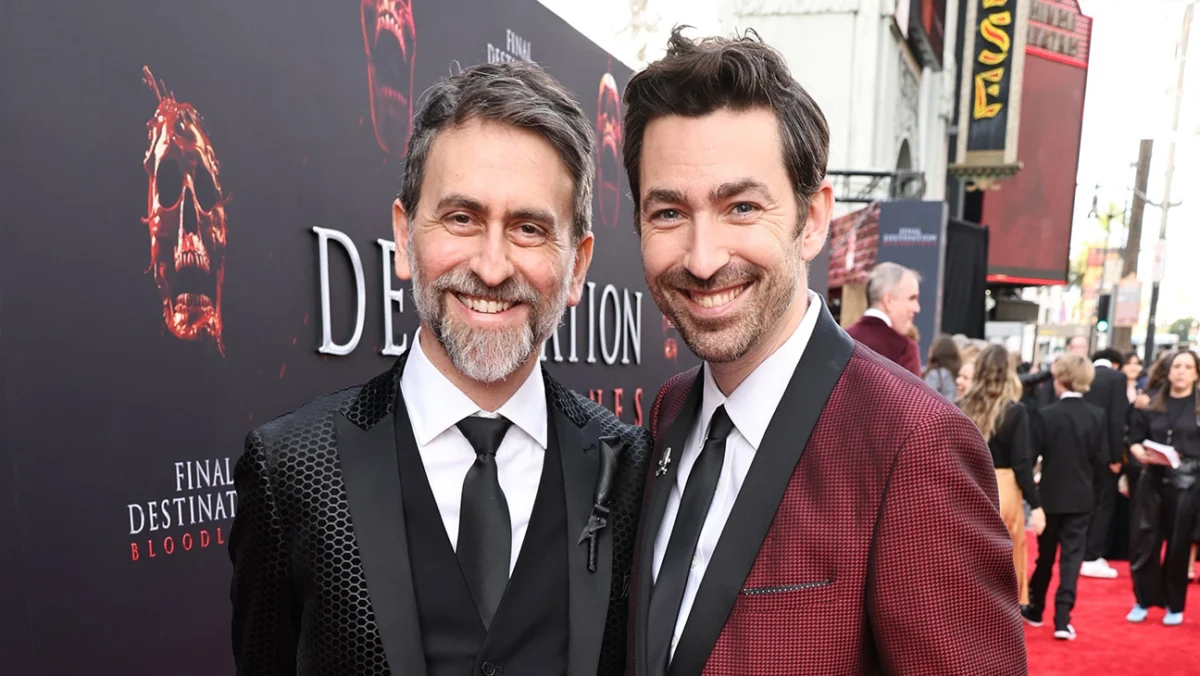
The trajectory of filmmakers Zach Lipovsky and Adam B. Stein serves as a modern blueprint for independent cinematic success in an industry increasingly dominated by intellectual property and risk-averse studio slates. Sitting comfortably on the Sony Pictures studio lot in Culver City, California, Lipovsky reflects on a journey that nearly two decades ago began on the soundstages of a reality television competition. Today, the creative duo stands as one of Hollywood’s most bankable and versatile directing teams, balancing high-profile horror franchises with deeply personal original sci-fi projects.
Their rise from regional genre hopefuls to industry power players highlights a broader shift in contemporary Hollywood, where original storytelling, particularly within the horror and speculative fiction sectors, continues to command significant theatrical muscle. As they prepare to debut their highly anticipated sequel Freaks 2 at the Vancouver International Film Festival (VIFF)—the very festival that once inspired Lipovsky as an aspiring teenager—the filmmakers are charting a course that bridges grassroots independent filmmaking with major studio infrastructure.
The Genesis of a Partnership: From Reality TV Rivals to Studio Collaborators
The story of Lipovsky and Stein dates back nearly 20 years to the Fox filmmaking competition series On the Lot, executive produced by cinematic legends Steven Spielberg and Mark Burnett. Competing against scores of hopefuls tasked with conceiving, shooting, and editing short films under intense weekly deadlines, both directors endured the public pressure of elimination.
"We didn’t win, and we were off the lot," Lipovsky recalls with the perspective of time. Yet, the experience forged a creative alliance that would prove more enduring than the competition’s trophy. Rather than retreating into obscurity, the pair combined their distinct visual styles and narrative sensibilities, spending the subsequent decade cutting their teeth on independent projects, commercial work, and digital media before breaking through on a global scale.
The turning point arrived in 2018 with the release of Freaks, a dark, dystopian sci-fi thriller starring seasoned actors Emile Hirsch and Bruce Dern. Made on a modest budget, the film centers on a paranoid father who locks his seven-year-old daughter inside a dilapidated suburban home to protect her from a hostile society harboring lethal prejudices against individuals with superhuman abilities.
To the surprise of many industry analysts, the film transcended its indie origins to become an unexpected worldwide box-office phenomenon, grossing over $375 million globally during its theatrical run. "That film changed our lives," Lipovsky says. The global success of Freaks instantly transformed the duo from resourceful B-movie directors into coveted industry commodities, granting them the leverage required to navigate the upper echelons of the studio system.
A Homecoming Rooted in Cinematic Heritage
The emotional anchor of the directors’ current success remains firmly tied to Vancouver, British Columbia, where Freaks was conceived and shot. Growing up in the city, a young Lipovsky utilized a festival press pass to immerse himself in world cinema during the Vancouver International Film Festival, frequently screening up to five films a day.
"I remember seeing filmmakers up on the stage, presenting their films and wishing one day that would be me," he notes. Returning to the Rio Theatre and the historic Park Theatre for the Freaks 2 premiere holds profound personal significance. The screening at the Park Theatre—an art deco neighborhood cinema that faced permanent closure before being rescued by a consortium of prominent filmmakers and industry figures, including Lipovsky, Osgood Perkins, Mike Flanagan, Sean Baker, and Finn Wolfhard—carries added weight.
Furthermore, the Vancouver screening serves as a tribute to Lipovsky’s mother, a single parent who once harbored ambitions of directing in the 1980s before channeling her creative energy into producing for the local network Knowledge Network. In an era when institutional opportunities for female directors were severely limited, she paved the way for her son’s career while supporting him unconditionally. "For her to see the kind of levels to which I’ve been able to create movies has been amazing," Lipovsky reflects.
Expanding the Universe: The Journey to Freaks 2 and Paramount Pictures
Following the unexpected triumph of the original film, the narrative evolution in Freaks 2 promises a mature thematic shift. While the first installment focused on domestic confinement, isolation, and a child’s longing for maternal connection, the sequel explores adolescence, survival, and interpersonal trust within a hostile geopolitical landscape.
"The first film was very much about a girl who can’t leave her house, and really wants a mom. And in the second film, she’s now much older. So she doesn’t want a mom. What she wants is a friend," Lipovsky explains. "And how do you find a friend, and how do you build a relationship in a world where society wants you dead?"
Paramount Pictures quickly recognized the commercial and narrative potential of the property, securing distribution rights for the sequel. The narrative follows an older protagonist navigating a world intent on eradicating individuals possessing anomalous abilities, joined by a mother-daughter dynamic featuring Amanda Crew and Lorelei Olivia Mote as they seek both survival and familial retribution.
Franchise Dominance and Major Studio Slate
The momentum behind Lipovsky and Stein extends well beyond independent sci-fi sequels. The duo recently helmed Final Destination Bloodlines, the sixth installment in Warner Bros. and New Line Cinema’s enduring supernatural horror franchise. Despite the inherent challenges of reviving a long-running property, the film struck a chord with audiences, pulling in over $285 million at the worldwide box office and proving the directors’ adeptness at handling large-scale studio mechanics and tension-driven set pieces.
This dual capability—delivering mid-budget commercial hits while maintaining creative distinctiveness—has cemented their status at Sony Pictures, where they currently maintain a lucrative first-look deal. Operating out of a dedicated building on the Culver City lot with a full staff of collaborators feels surreal to creators who spent decades weathering the uncertainties of Hollywood development cycles.
"Over 20 years of making movies, you get very used to things not happening, and very used to people saying something’s happening, and then it doesn’t happen," Lipovsky admits. "So when things start to click into place, your brain has a very hard time trying to accept that it’s actually real."
Their current slate reflects extraordinary breadth across genres and studios. In addition to their work with Sony, Lipovsky and Stein are attached to direct an adaptation of the Long Lost short story for Amblin Entertainment and Universal Pictures, serve as screenwriters on Chris Columbus’s anticipated Gremlins 3, and contribute writing and development work to Sony’s animated Venom universe and the high-profile adaptation of Metal Gear Solid.
The Broader Impact: Originality and the Modern Horror Renaissance
The sustained commercial viability of Lipovsky and Stein underscores a wider economic and cultural trend within the global film industry. According to the directors, the recent summer box-office performances of original, auteur-driven horror features—such as breakout hits Backrooms and Obsession—signal a vital pivot in consumer behavior.
While major studios increasingly rely on established intellectual property and cinematic universes, the horror genre remains a unique commercial outlier. Audiences consistently demonstrate a willingness to patronize theaters for entirely original concepts, driven primarily by the singular voices and creative visions of the filmmakers behind them.
"Horror is one of the few genres where it’s normal for audiences to show up in theaters for original movies," Lipovsky argues. "It’s the voice of the authors that are creating the work that audiences are becoming attracted to, and even more so when the work is original, and Hollywood is definitely starting to pay attention to that."
As major studios increasingly look to independent and genre-bred talent to inject vitality into their slates, Lipovsky and Stein’s progression from reality television contestants to studio mainstays offers a clear template. By pairing disciplined storytelling with technical precision and an understanding of audience psychology, the duo has not only secured their own longevity in a notoriously volatile industry but has also reinforced the commercial power of authorial vision in contemporary cinema.








