Danny Garick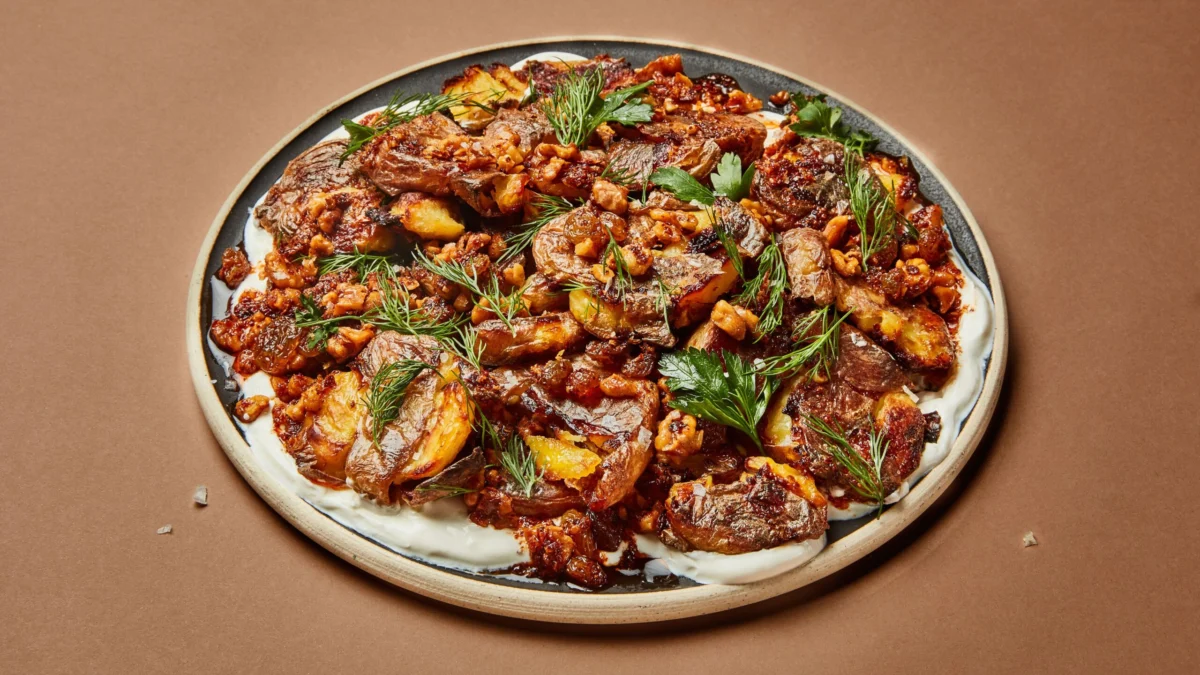
Thanksgiving remains the most significant culinary event in the United States, representing a multi-billion-dollar economic impact on the food and beverage industry. While the roasted turkey serves as the traditional symbolic centerpiece of the holiday, the composition of the accompanying side dishes is increasingly recognized by culinary experts and consumers alike as the true indicator of a memorable dining experience. As households prepare for the annual gathering, the shift toward a more balanced, diverse, and efficient menu has become a priority for both amateur cooks and professional caterers.
The Evolution of the Thanksgiving Menu
Historically, the American Thanksgiving table was characterized by high-calorie, starch-heavy staples designed to showcase the harvest. Early colonial menus, while subject to debate regarding their authenticity, centered on wild game, corn, and squash. Over the centuries, these staples evolved into the industrial-era "classic" menu: mashed potatoes, bread-based stuffing, sweetened yams, green bean casserole, and cranberry sauce.
Data from the American Farm Bureau Federation (AFBF) indicates that the cost of a classic Thanksgiving dinner for ten people has seen significant volatility in recent years, largely driven by supply chain fluctuations and inflation. In 2023, the average cost for a traditional feast hovered near $61.17, a modest decrease from the previous year’s record highs but still significantly above pre-pandemic levels. This economic reality has forced many hosts to reconsider their menu planning, moving away from overly expensive or rare ingredients toward more sustainable, versatile, and accessible produce.
Balancing the Plate: A Modern Culinary Strategy
Professional chefs often advise that a successful Thanksgiving spread requires a deliberate orchestration of flavors, textures, and temperatures. A common pitfall in holiday menu planning is the accumulation of heavy, beige-colored dishes. Culinary balance is achieved by integrating three distinct profiles: the rich and comforting, the fresh and green, and the bright and acidic.
The "rich and comforting" category is the foundation of the meal. This includes staples such as potatoes and stuffing. Culinary research suggests that the texture of mashed potatoes is paramount; utilizing high-starch varieties like Russets, combined with a high butter-to-potato ratio, remains the industry standard. However, modern variations—such as incorporating roasted garlic or replacing traditional heavy cream with cultured buttermilk—can provide a depth of flavor that appeals to contemporary palates.
"Fresh and green" components are essential to cut through the density of the protein and heavy starches. While green bean casserole has been a fixture since its 1955 debut by the Campbell Soup Company, modern iterations lean toward lighter, brighter preparations. Replacing canned cream of mushroom soup with fresh shallots, lemon zest, or a vinaigrette-based green bean salad significantly alters the nutritional and sensory experience of the plate.
Finally, "bright and tangy" elements provide the necessary acidity to balance the palate. Cranberry sauce is the primary vehicle for this. Whether utilizing a traditional gelatinous style or a fresh relish featuring orange zest and ginger, the inclusion of acid is vital to reset the palate between bites of turkey and gravy.
Chronology of Holiday Preparation
Effective Thanksgiving execution requires a structured timeline to mitigate the inherent stress of the holiday. For the home cook, the preparation process typically begins at least two weeks before the event:
- 14 Days Out: Menu finalization and grocery procurement for non-perishable items. This period is also ideal for identifying which recipes can be prepared in advance.
- 7 Days Out: Preparation of stocks, gravies, and certain doughs that can be frozen.
- 3 Days Out: Thawing the turkey, if frozen, and organizing the refrigerator to accommodate large platters.
- 2 Days Out: Preparation of cranberry sauce and vegetable-based sides that benefit from overnight marination or storage.
- 1 Day Out: Mise-en-place—chopping herbs, measuring spices, and prepping baking dishes.
- Thanksgiving Day: Final assembly, reheating, and roasting.
Industry experts emphasize that "make-ahead" capacity is a critical metric for a successful host. Recipes that require stovetop cooking rather than oven time are increasingly popular, as oven space is usually the most contested resource during the final hours of preparation.
Economic and Supply Chain Implications
The logistical burden of Thanksgiving is not limited to the kitchen. According to the U.S. Department of Agriculture (USDA), the week of Thanksgiving sees a massive surge in demand for specific agricultural commodities, including cranberries, sweet potatoes, and turkeys.
For 2024, agricultural analysts point to stabilized supply chains, though labor costs in the food service and hospitality sectors remain high. This has led to a trend of "menu editing," where hosts focus on a smaller number of high-quality sides rather than a vast, overwhelming variety. This approach not only reduces waste—a significant issue, as food waste typically increases by 25% during the holiday period—but also allows for better execution of each individual dish.

Expert Perspectives on Menu Innovation
Industry analysts and culinary educators argue that the traditional Thanksgiving menu is not a static set of rules, but a living tradition. "There is an expectation of tradition, but also a desire for novelty," notes a spokesperson for a national culinary association. "The most successful menus are those that honor the classics while offering one or two ‘surprising’ dishes that reflect current food trends."
This push for innovation is evident in the rise of regional influences on the American table. For instance, the inclusion of Old Bay-seasoned cheddar biscuits or sweet-and-spicy squash with scallion oil demonstrates how global spice profiles are being integrated into traditional American holiday fare. These additions are not merely aesthetic; they provide a conversation piece and a palate-cleansing diversion from the expected flavor profiles of the meal.
Navigating Constraints: Time and Space
The constraint of limited kitchen infrastructure is a recurring theme in holiday food media. For many, the stovetop becomes the primary tool for side dish execution, as it frees the oven for the turkey and secondary roasting tasks. Recipes such as stovetop-braised greens, sautéed brussels sprouts with balsamic glaze, or quick-cooking legume salads are becoming standard recommendations for hosts with limited kitchen square footage.
Furthermore, the integration of technology, such as sous-vide machines and high-performance pressure cookers, has allowed for more consistent results with sides that were historically difficult to manage, such as delicate vegetables or complex grain-based stuffings.
Conclusion: The Path Toward a Balanced Feast
Ultimately, the Thanksgiving meal serves as a reflection of its host’s priorities: community, tradition, and culinary enjoyment. By diversifying the menu to include a mix of classic comforts and bright, modern sides, hosts can alleviate the pressure of perfection. The goal is not merely to replicate a historical ideal, but to provide a cohesive, enjoyable experience for guests.
As consumers look toward the upcoming holiday season, the emphasis remains on efficiency and quality. By planning ahead, sourcing ingredients strategically, and balancing the heavy with the light, the Thanksgiving feast remains the cornerstone of American social dining—a complex, labor-intensive, but deeply rewarding endeavor. Whether the table features a traditional mashed potato or an innovative, spiced squash dish, the success of the meal lies in the thoughtful balance of the entire spread.