Kang Muslim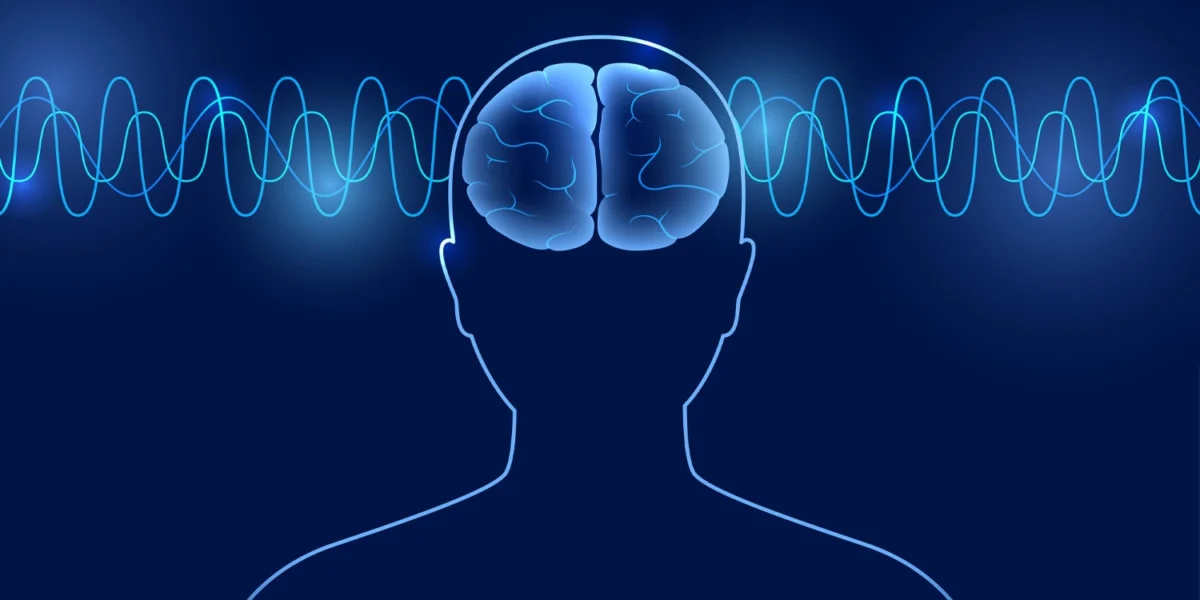
In an era where non-invasive neuromodulation is rapidly emerging as a frontier in cognitive science and mental health therapeutics, a team of international researchers has published new findings illuminating how targeted brain stimulation can influence emotional regulation. According to a study recently featured in the Journal of Affective Disorders, a single session of mild, rhythm-based electrical brain stimulation was found to modestly diminish immediate feelings of state anxiety following an acute stressor in healthy middle-aged and older adults. While the intervention successfully targeted emotional reactivity, it left broader cognitive appraisals of stress and standard physiological biomarkers largely untouched, painting a nuanced picture of how specific neural circuits govern the human stress response.
The investigation was spearheaded by lead author Rubén Romero-Marín of the Autonomous University of Barcelona in Spain, alongside a multidisciplinary collective of neuroscientists, clinicians, and researchers—including Simon Fankhauser, Javier Solana-Sánchez, Ruben Perellón-Alfonso, Josep Maria Tormos-Muñoz, Luiz Pessoa, David Bartrés-Faz, Davide Cappon, Álvaro Pascual-Leone, and Gabriele Cattaneo. Drawing participants from the well-regarded Barcelona Brain Health Initiative, the research team set out to explore whether modulating natural electrical rhythms within the brain could provide a tangible buffering effect against the psychological toll of acute stress.
Understanding the Neural Mechanics: Alpha Rhythms and the Frontoparietal Network
To comprehend the significance of the study, it is essential to examine the underlying neurophysiology targeted by the researchers. The human brain operates via continuous electrical activity, categorized into distinct frequency bands based on the speed of oscillatory patterns. Among these, alpha rhythms—which typically cycle at a frequency of approximately 8 to 12 oscillations per second, or 10 Hz—have long been a subject of intense scientific interest. Historically associated with relaxed wakefulness, contemporary neuroscience has increasingly linked alpha activity to processes governing selective attention, top-down cognitive control, and the regulation of emotional information.
When an individual encounters a stressor, the brain must rapidly assess the threat and coordinate a multi-layered response that encompasses emotional feelings, cognitive evaluations, and autonomic nervous system activation. The research team specifically targeted the frontoparietal control network, a critical neural circuit spanning the frontal and parietal lobes that plays a vital role in directing attention, orchestrating executive functions, and managing emotional reactions under pressure.
To influence this network externally without resorting to invasive surgical procedures, the investigators utilized transcranial alternating current stimulation (tACS). This technique involves placing specialized electrodes on the scalp to deliver a very weak electrical current that oscillates at a predetermined frequency—in this case, 10 Hz. Unlike transcranial magnetic stimulation (TMS), which produces brief, high-intensity magnetic pulses capable of depolarizing neurons directly, tACS is designed to gently synchronize or entrain endogenous neural oscillations, subtly biasing brain activity toward the targeted frequency over a sustained period.
Methodology and Experimental Design
The study enrolled a cohort of 42 healthy adult participants with an average age of approximately 59 years, comprising 16 women and 26 men. To ensure scientific rigor, the researchers implemented a double-blind, randomized controlled trial design. Participants were randomly allocated to one of two experimental conditions: active stimulation (22 individuals) or a sham control procedure (20 individuals).
The active stimulation group underwent a 20-minute session administered at 10 Hz, with electrodes strategically positioned over the left frontal and parietal regions of the scalp to engage the frontoparietal control network. Conversely, the sham group experienced a simulated procedure designed to control for placebo effects and sensory expectations. This control protocol replicated the physical setup, including the initial tingling or ramping sensations commonly associated with electrical current delivery, but ceased the sustained current after a brief period, ensuring that participants remained blind to their experimental assignment.
The core of the empirical evaluation relied on a standardized, laboratory-induced stress task administered both immediately before and after the intervention period. During this task, participants observed two geometric circles moving across a computer screen. The experimental paradigm was calibrated such that whenever the circles collided, the participant received a mild, calibrated electric shock to the hand, accompanied by an abrupt, unpleasant auditory noise and a bright visual flash. This multi-sensory stressor was engineered to reliably elicit a robust emotional and physiological stress reaction.
To capture the multifaceted nature of the human stress response, the researchers collected an extensive array of dependent variables. Psychological state anxiety was measured using validated self-report questionnaires, allowing the team to quantify transient anxiety levels experienced at that specific moment. Cognitive appraisal of stress was evaluated to determine whether participants judged the task as more or less demanding or threatening following the intervention. Furthermore, the researchers recorded objective physiological metrics, including resting and task-induced brain electrical activity via electroencephalography (EEG), skin conductance (electrodermal activity as a proxy for sympathetic nervous system arousal), and pupillary responses.
Empirical Findings: Selective Reduction in State Anxiety
Upon analyzing the collected data, the research team identified a statistically significant, albeit modest, effect specific to state anxiety. On a standardized questionnaire scaled from 20 to 80, participants in the active tACS group demonstrated an average decrease in state anxiety scores of 3.16 points following the intervention. In stark contrast, participants in the sham control group exhibited an average increase in anxiety scores of 1.17 points post-task.
While the numerical difference between the two groups was relatively small, the divergence was statistically significant, leading the authors to characterize the outcome as a "modest, selective reduction in stress-evoked state anxiety." This suggests that delivering 10 Hz tACS to the left frontoparietal network successfully dampened the immediate emotional distress that typically accompanies an acute, unpleasant challenge.
However, the specificity of the intervention became apparent when researchers examined the broader cognitive and physiological datasets. The treatment produced no discernible change in perceived stress appraisal. Participants in the active stimulation group did not rate the stressful task as inherently less demanding, nor did they alter their overarching cognitive judgment of the situation as threatening. This dissociation between emotional feeling and cognitive evaluation provides critical theoretical insight: the electrical stimulation appeared to directly modulate emotional reactivity rather than altering how participants cognitively rationalized or evaluated the external stressor.
The physiological and neurophysiological findings proved more complex and varied. Resting-state brain electrical activity measured via EEG did not reveal robust, reliable alterations in alpha power following the stimulation session. Nevertheless, when researchers analyzed EEG data specifically recorded during the stress task itself, they observed an interesting trend. Activity over the left frontal region showed a tendency toward a larger increase in alpha power among the active-stimulation group compared to controls. The study authors hypothesized that this task-contingent shift might reflect enhanced neural regulation and gating of emotional information while participants actively coped with pressure.
In contrast, objective peripheral biomarkers of stress yielded no evidence of a specific treatment effect. Measures of skin conductance and pupillary dilation fluctuated significantly between the first and second testing sessions across both cohorts. The researchers noted that these shifts were likely attributable to physiological habituation, learning effects, or sensory adaptation to the repeated stress task over time, rather than being driven by the tACS intervention.
Methodological Limitations and Contextual Considerations
To maintain scientific objectivity and contextualize these findings within the broader landscape of neurostimulation research, the study authors explicitly acknowledged several notable limitations. First and foremost, the investigation was conducted exclusively on healthy adult participants who presented with baseline anxiety levels well within the normal, non-clinical range. Consequently, the researchers caution that these outcomes cannot be directly generalized to clinical populations diagnosed with generalized anxiety disorder, panic disorder, or other stress-related psychiatric conditions. Whether a similar protocol could alleviate pathological anxiety remains an open question requiring dedicated clinical trials.
Additionally, the sample size—consisting of 42 participants split between two arms—was relatively small. Technical complications and artifacts during data collection further reduced the pool of usable physiological datasets, constraining the statistical power available for certain secondary analyses.
Another structural limitation involves the single-session design and frequency specificity. Because the participants received only one 20-minute session of 10 Hz stimulation and were not tested under alternative active frequencies (such as theta, beta, or gamma bands), the research team could not definitively prove that the observed anxiety reduction was uniquely exclusive to the alpha frequency. It remains theoretically possible that other oscillatory frequencies might yield comparable or even superior short-term emotional buffering effects, a hypothesis that warrants systematic investigation in future multi-arm comparative studies.
Broader Implications and Future Horizons in Neuromodulation
Despite these acknowledged caveats, the publication of this study marks a meaningful stepping stone in the evolving field of non-invasive brain stimulation. As modern society grapples with rising levels of chronic stress and anxiety, the pursuit of targeted, non-pharmacological interventions has accelerated. Traditional pharmacological treatments, such as anxiolytic medications, often carry systemic side effects, carry risks of dependency, and can take weeks to achieve therapeutic efficacy. In contrast, neuromodulatory approaches aim to interact directly with the brain’s intrinsic electrical language, offering the theoretical potential for precise, localized, and side-effect-mitigated interventions.
The finding that a brief, non-invasive electrical current can selectively mitigate state anxiety without altering cognitive appraisal or peripheral arousal suggests that human emotional circuitry can be accessed and modulated with a degree of surgical precision. It supports the broader theoretical framework that distinct nodes of the brain—such as the frontoparietal control network—play causal roles in regulating emotional states under duress.
Looking ahead, the research paves the way for several vital avenues of scientific inquiry. Subsequent studies will likely need to explore multi-session protocols to determine whether repeated applications of alpha-frequency tACS can produce cumulative, long-lasting reductions in anxiety. Furthermore, researchers must expand these paradigms to include clinical cohorts, testing whether individuals suffering from chronic anxiety disorders might benefit from personalized neuromodulation tailored to their unique neurophysiological profiles.
As technology advances and our understanding of human brain rhythms deepens, studies like this one conducted by Romero-Marín and his colleagues bring the scientific community one step closer to unlocking the full therapeutic potential of rhythm-based brain stimulation, potentially offering new hope for stress management and mental health care in the decades to come.