
 Ana Megawati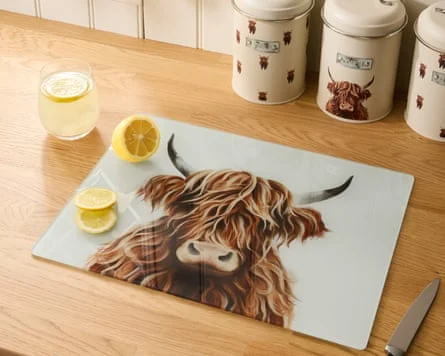
The modern British domestic landscape is currently undergoing a peculiar yet pervasive transformation, defined not by minimalist architecture or Scandinavian utilitarianism, but by the shaggy silhouette of the Scottish Highland cow. From urban apartments in London to suburban terraces across the Midlands, homeware collections are increasingly dominated by representations of the rustic bovine. This phenomenon has transitioned from a localized novelty into a major retail and cultural trend, reshaping how major high-street brands curate their seasonal collections and reflecting evolving consumer desires for comfort, nostalgia, and personalization in interior design.
Main Facts and the Scale of Commercial Saturation
The ubiquitous presence of the Highland cow in contemporary retail is easily quantifiable. Major British homeware and apparel retailers have leaned heavily into the trend, expanding product lines far beyond basic prints to encompass nearly every category of domestic goods. High-street giant Next, for instance, features hundreds of items dedicated to the motif, even establishing a corporate mascot named Hamish the Highland Cow. Hamish’s likeness now graces merchandise ranging from kitchen appliances, such as themed kettles and toasters, to bedding, sleepwear, bathroom accessories, and wall art.
This commercial enthusiasm is mirrored across the retail sector. Competitor firms, including Asda, The Range, and Wilko, report robust consumer demand for products featuring the characteristic long horns and shaggy brown coats of the breed. Offerings span from seasonal items—such as autumnal ornaments and festive decorations—to everyday utilitarian goods including chopping boards, washing-up brushes, and even pet accessories. Market research data from several home-furnishing chains indicates a sharp double-digit percentage increase in search queries for Highland cow decor over the past year, confirming that the motif has evolved from a passing novelty into a staple of mass-market interior retail.

Chronology and Evolution of the Trend
While depictions of Scottish wildlife have long been a fixture of rural tourism and gift shops, the mass integration of the Highland cow into mainstream interior design accelerated noticeably following the COVID-19 pandemic. During successive lockdowns, consumer interest in home improvement, DIY, and domestic comfort surged to unprecedented levels. As populations spent extended periods indoors, retail analysts observed a collective turn toward interior aesthetics associated with warmth, security, and rural escapism.
By the autumn of 2022 and 2023, industry observers and interior design commentators began noting a sharp uptick in consumer adoption of rustic and heritage-inspired motifs. What began as occasional art prints and cushions rapidly snowballed into comprehensive homeware collections by late 2024 and 2025. Retailers responded to early sales data by expanding their product cycles, ensuring that the motif transitioned from a winter-specific novelty into a year-round design category. By aligning the warm, earthy tones of the cattle with seasonal marketing campaigns for autumn and Christmas, brands successfully institutionalized the aesthetic within the annual retail calendar.
Supporting Data and Consumer Demographics
Consumer engagement metrics underscore the strength of this retail trend. Social media platforms, particularly TikTok and Instagram, have played a pivotal role in amplifying the aesthetic. Video walkthroughs of newly purchased highland-cow-themed crockery, bedding sets, and bathroom fixtures regularly accumulate hundreds of thousands of views, driven by home-decor influencers and DIY enthusiasts.
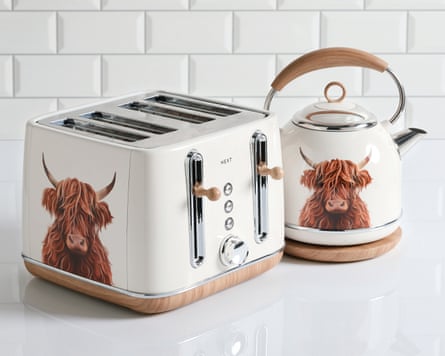
Data from home and garden retailers highlight distinct consumer demographics driving this demand. According to representatives from major chains, the primary purchasers span a broad spectrum, ranging from younger renters seeking low-cost ways to inject personality into standardized living spaces to older homeowners curating traditional, cottage-core environments. The appeal appears to bridge generational divides, though anecdotal market feedback consistently highlights a dynamic where gift-giving—specifically from older relatives to younger family members, or vice versa—sustains high transaction volumes for these specific novelty items.
Industry Analysis and Retailer Perspectives
Industry insiders attribute the phenomenon to several psychological and design-driven factors. Retail spokespeople emphasize that contemporary consumers increasingly prioritize interior elements that convey individuality, comfort, and emotional resonance. Unlike sterile modernism, the inherent visual characteristics of the Highland cow—distinguished by its prominent fringe, placid demeanor, and rich, autumnal color palette—offer an immediate sense of warmth and pastoral tranquility.
Interior design professionals note that the trend aligns with a broader macroeconomic and cultural shift toward traditionalism and cottage-core aesthetics. Kate Hewitt, a DIY content creator and former participant on the television series Interior Design Masters, observes that the popularity of the breed stems from its dual perception as both inherently charming and visually distinct.
"You don’t see them every day unless you live in Scotland," Hewitt notes, highlighting the element of accessible novelty. Furthermore, the rich brown, copper, and orange hues of the cattle naturally complement the autumnal color palettes that have dominated seasonal interior design trends in recent years. This seasonal adaptability allows homeowners to refresh their living spaces with minimal financial outlay, swapping out cushion covers, mugs, or doormats to match the changing calendar.
Broader Impact and Cultural Implications
The ubiquity of the Highland cow in domestic spaces invites broader cultural analysis. Sociologists and lifestyle commentators draw parallels between this trend and previous iterations of mass-market domestic kitsch, noting its alignment with contemporary populist aesthetics. Some design critics view the phenomenon as a modern successor to the traditional "Live, Laugh, Love" signage of the 2010s—an accessible, inoffensive marker of domestic contentment that prioritizes emotional reassurance over high-design rigor.
While purists of interior architecture may express reservations about the commercialization of rural imagery, the economic reality for high-street retailers is undeniable. The trend provides a reliable revenue stream during periods of cautious consumer spending, offering an affordable point of entry for discretionary retail purchases. Whether the Highland cow remains a permanent fixture of British domestic life or eventually recedes into the background of retail history, its current dominance illustrates the enduring power of comfort, nostalgia, and character-driven branding in the modern consumer market.









