
 Johny Marice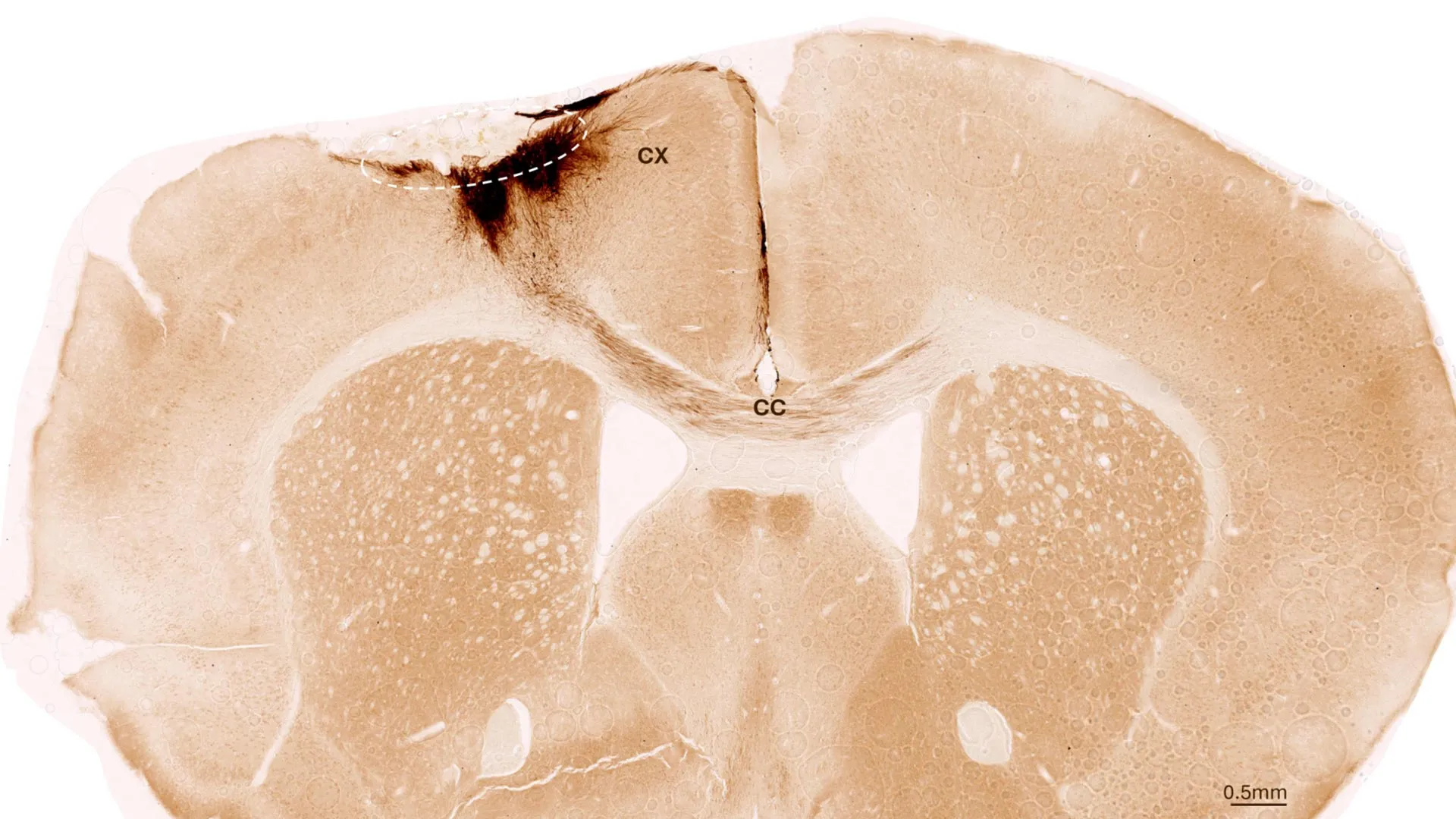
A breakthrough in regenerative medicine has emerged from the University of Zurich (UZH), where researchers have successfully demonstrated that human neural stem cell transplantation can effectively repair damaged brain tissue following a stroke. By utilizing induced pluripotent stem cells (iPSCs) in mouse models, the research team managed not only to stimulate the growth of new neurons but also to restore lost motor functions, providing a significant proof-of-concept for future clinical therapies. This development addresses a long-standing medical crisis: the limited recovery potential for the millions of individuals who suffer from permanent neurological disabilities after a stroke.
The Scope of the Stroke Crisis
Stroke remains a global health emergency, with the World Health Organization and the American Heart Association reporting that approximately one in four adults will experience a stroke during their lifetime. In the United States alone, a stroke occurs every 40 seconds, and someone dies from one every four minutes.
The clinical reality for survivors is often bleak. Approximately 50% of stroke survivors are left with chronic, life-altering disabilities, including hemiparesis (paralysis on one side of the body), aphasia (difficulty speaking or understanding language), and profound cognitive impairment. Traditionally, the medical community has viewed the death of brain tissue—caused by the deprivation of oxygen during an ischemic event or the physical trauma of a hemorrhagic bleed—as an irreversible process. Once the neuronal architecture is destroyed, the brain lacks the inherent capacity to replace those cells, leaving patients with the long-term consequences of their injury.
The Mechanics of the UZH Study
The research, spearheaded by Christian Tackenberg, Scientific Head of the Neurodegeneration Group at the UZH Institute for Regenerative Medicine, in collaboration with postdoctoral researcher Rebecca Weber and Dr. Ruslan Rust from the University of Southern California, aimed to challenge the dogma of irreversible brain damage.
The team employed human-derived neural stem cells (NSCs), which were generated from induced pluripotent stem cells. These iPSCs are created by "reprogramming" mature, somatic cells—such as skin cells—back into a state where they regain the plasticity of embryonic stem cells. This technique allows for the creation of patient-specific cells, theoretically reducing the risk of immune rejection, though the current study required immune-deficient mice to facilitate the xenotransplantation of human cells.
The experimental design was rigorous. The team induced permanent strokes in mice, meticulously mimicking the pathophysiological features of human ischemic strokes. One week post-injury, the human NSCs were injected directly into the necrotic regions of the brain. The researchers then monitored the subjects over a five-week period using advanced neuroimaging and biochemical analysis.
Evidence of Multi-Faceted Regeneration
The most striking finding was that the transplanted cells did not merely act as temporary biological scaffolding. Instead, the NSCs integrated into the existing neural architecture. Observations confirmed that the stem cells survived the entire five-week duration and successfully differentiated into mature neurons. Critically, these new neurons formed synaptic connections with the host’s endogenous cells, a prerequisite for the restoration of lost brain function.
However, the therapeutic impact extended far beyond simple neuronal replacement. The research identified a systemic "healing response" triggered by the presence of the stem cells. This included:
- Angiogenesis: The formation of new blood vessels, which improves oxygenation to the peri-infarct (the area surrounding the stroke site).
- Inflammatory Modulation: A reduction in the chronic neuroinflammation that typically worsens post-stroke damage.
- Blood-Brain Barrier (BBB) Restoration: The reinforcement of the BBB, which is essential for protecting the brain from circulating toxins and preventing secondary injury.
These findings suggest that the transplanted cells function as a "biological pharmacy," secreting neurotrophic factors that promote a more hospitable environment for self-repair within the brain.
The Temporal Advantage: The One-Week Delay
A pivotal insight from the study concerns the timing of the intervention. While many previous regenerative studies focused on acute transplantation—often within hours of a stroke—the UZH team discovered that delaying the transplant by one week yielded superior outcomes.
From a clinical perspective, this is a transformative finding. In a hospital setting, the first 24 to 72 hours following a stroke are characterized by extreme physiological volatility, including cerebral edema (swelling) and the release of cytotoxic chemicals. Delaying the transplant allows the immediate inflammatory storm to subside, providing a more stable environment for the transplanted cells to survive and integrate. Furthermore, a one-week window offers physicians the logistical flexibility required to prepare, characterize, and transport specialized stem cell products, a task that is nearly impossible in the immediate aftermath of an emergency.
Safety Protocols and Regulatory Hurdles
Transitioning this research to human trials requires addressing significant safety concerns, primarily the potential for tumorigenesis—the uncontrolled growth of stem cells into tumors. To mitigate this, the UZH team is currently developing a "safety switch" mechanism. This genetic fail-safe would allow clinicians to selectively terminate the transplanted cells if they begin to exhibit abnormal proliferation.
Moreover, the team has successfully produced these stem cells using a protocol free of animal-derived reagents. By eliminating animal-based components, the researchers have aligned their methodology with international regulatory standards for human clinical therapies, significantly reducing the potential for adverse immune reactions and simplifying the regulatory approval process.
Future Directions: From Brain Grafts to Endovascular Delivery
The final hurdle to widespread adoption is the invasiveness of the procedure. Currently, the transplant requires direct injection into the brain, a high-risk neurosurgical procedure. To circumvent this, the team is exploring endovascular delivery. This method would involve threading a micro-catheter through the vascular system to the site of the stroke, allowing for the precise delivery of stem cells without the need for invasive craniotomy.
This approach mirrors techniques currently being refined for other neurological conditions, including Parkinson’s disease. In Japan, clinical trials utilizing iPSC-derived neurons for Parkinson’s have already entered the early stages of human testing, providing a robust roadmap for the stroke research team to follow.
Expert Analysis and Implications
The scientific community has received these findings with cautious optimism. While the restoration of motor function in mice—quantified by AI-assisted gait analysis—is an objective indicator of success, experts note that the translation to the human brain, which is significantly more complex and slower to repair, remains the ultimate challenge.
"The ability to stimulate the brain’s intrinsic repair mechanisms while simultaneously replacing lost architecture is the ‘holy grail’ of neurology," remarked an independent researcher familiar with regenerative medicine. "However, the key will be proving that these cells can integrate with the complex, high-order cognitive networks that distinguish human brains from those of rodents."
If successful, this therapeutic approach could fundamentally alter the prognosis for stroke survivors. Rather than focusing solely on rehabilitation and compensation for lost abilities, medicine could shift toward a model of true biological recovery. As the UZH team moves toward the development of a clinical trial, the focus will remain on refining the delivery mechanism and ensuring long-term safety, marking a potential new era in how we manage the aftermath of the world’s leading cause of disability.









