
 Ferry Irwandi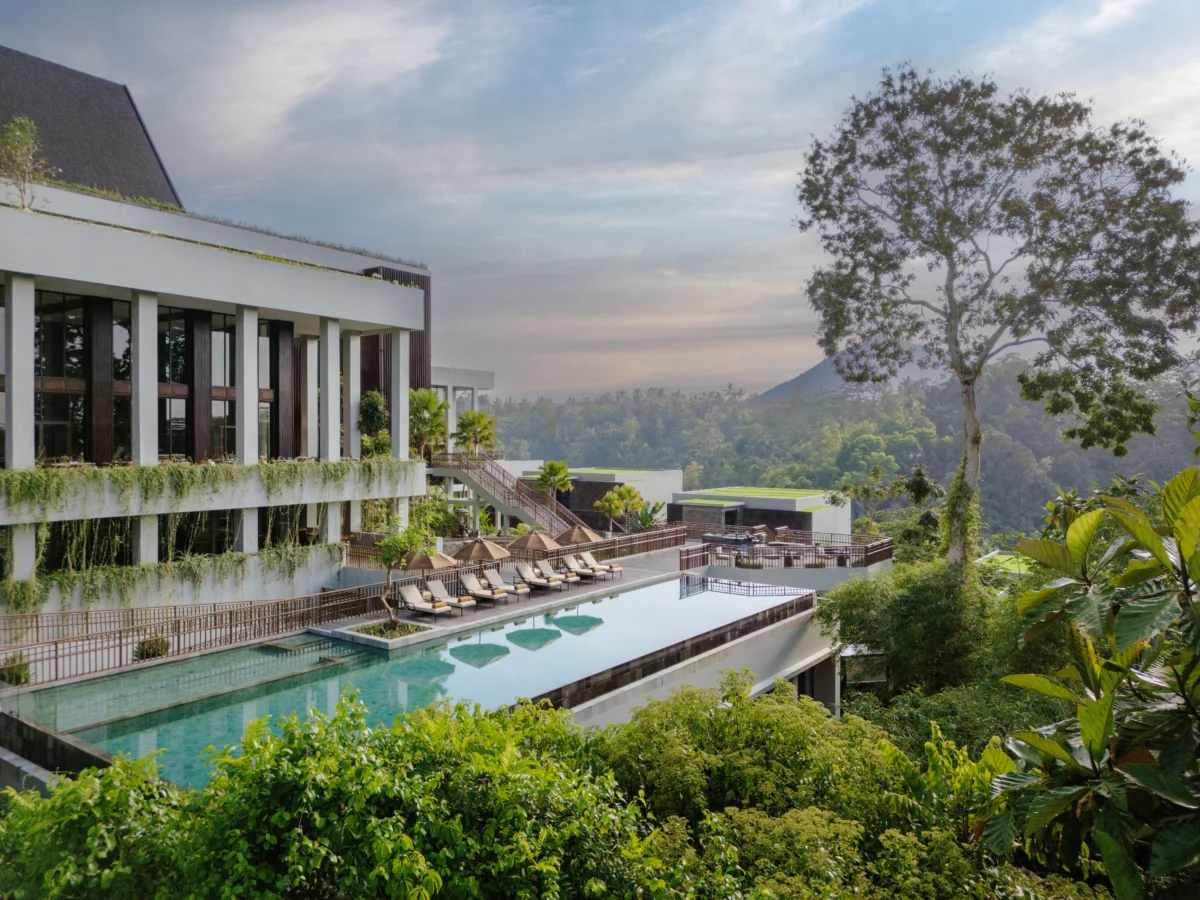
Bali has long sustained a dual identity in the global tourism market: it is simultaneously a mystical cultural sanctuary and one of the world’s most accessible destinations for travelers seeking high-end amenities on a modest budget. For decades, the Indonesian island has captivated visitors with its lush landscapes, intricate spiritual traditions, and world-class hospitality. Yet, what continues to cement its status as a premier global getaway is its unique economic proposition—the ability to experience five-star aesthetics, private infinity pools, and gourmet dining without incurring the exorbitant costs associated with traditional luxury hotspots in Europe or North America.
Even as global inflation and post-pandemic tourism booms have driven up prices across many sectors of the international travel industry, Bali’s hospitality ecosystem has managed to retain a remarkable tier of high-value, moderately priced accommodations. Recent destination analyses indicate that travelers who venture beyond the hyper-commercialized hubs can still secure exceptional properties starting at under $250 per night, challenging the assumption that modern luxury must come with a prohibitive price tag.
The Economic Evolution of Bali’s Tourism Sector
To understand Bali’s enduring affordability, one must examine the structural evolution of its tourism economy over the past several decades. Following Indonesia’s economic liberalization policies in the late 20th century, the island transformed from a quiet enclave favoured by surfers and anthropologists into a global tourism powerhouse.
During the 1980s and 1990s, large international hotel chains established a presence primarily in the southern peninsulas of Nusa Dua and Kuta. However, the turn of the century triggered a shift toward independent, design-forward boutique properties and private villas. Local entrepreneurs and expatriate investors alike capitalized on relatively low land acquisition costs and affordable construction labor to build properties characterized by open-air architecture, indigenous materials, and deeply personalized service.
This decentralized development model created a hyper-competitive market. With thousands of independent villas, guesthouses, and boutique resorts vying for international attention, property owners have continually elevated their service standards while keeping nightly rates competitive. Consequently, even as high-end mega-resorts command luxury rates, the mid-tier and upper-mid-tier markets have flourished, offering guests VIP-level treatments, private plunge pools, and wellness amenities at a fraction of Western European averages.
Chronology of Tourism Shifts and Seasonal Pricing Trends
The fluctuation of travel costs in Bali is closely tied to the island’s distinct seasonal weather patterns and global economic cycles. Historically, the island’s tourism calendar is divided into high, shoulder, and low seasons, directly impacting how travelers budget for their stays.
- April to October (Dry Season): Characterized by lower humidity, minimal rainfall, and optimal beach conditions, this period represents peak tourism demand. Hotel occupancy rates surge, and prices across all tiers reach their annual maximums.
- November to March (Wet Season): Traditionally marked by tropical downpours and higher humidity, the rainy season historically offered the deepest discounts across Bali’s hospitality sector. Many properties introduce promotional rates, value-added spa packages, and complimentary dining inclusions to sustain occupancy during these months.
- Late December to Early January (Festive Peak): A distinct anomaly within the wet season, the Christmas and New Year holidays trigger a massive influx of international visitors. During this brief window, prices rival or exceed peak dry-season rates, and minimum-night stay requirements are frequently enforced.
- Post-Pandemic Era (2022–Present): Following the reopening of Indonesian borders after the COVID-19 pandemic, Bali experienced a rapid resurgence in tourism. While overall operational costs increased due to global supply chain pressures, the fundamental abundance of supply prevented runaway inflation in the mid-tier sector, preserving the availability of sub-$250 luxury stays.
Geographic Diversity: Where to Find Value Across the Island
One of the defining characteristics of Bali’s tourism infrastructure is its geographic diversity. Accommodation pricing varies significantly depending on proximity to the southern urbanized core versus the quieter, agrarian, and coastal regions further afield.
Travel industry analysts note that travelers willing to explore off-the-beaten-path locations are consistently rewarded with lower nightly rates and more authentic cultural immersion.
- Sanur and Kuta: While Kuta remains synonymous with budget hostels and mass-market tourism, nearby Sanur offers a more tranquil, family-friendly coastal environment with well-priced boutique hotels that maintain direct beach access.
- Ubud (Outskirts): The cultural heart of Bali has seen substantial commercial development in its central commercial district. However, properties located just a 15-to-20-minute drive outside the town center—nestled among the rice terraces of Nyuh Kuning or Sayan—offer secluded luxury villas at significantly reduced rates.
- Sidemen and Amed: Situated in East and Northeast Bali, these regions represent the frontier of affordable, scenic travel. Dominated by views of Mount Agung and rugged coastline, Sidemen and Amed feature eco-resorts and boutique stays where guests can experience traditional Balinese village life without the congestion of the south.
Industry Perspectives and Expert Evaluation Standards
Hospitality experts and travel journalists who evaluate Balinese properties emphasize that low cost does not equate to compromised quality. In destinations like Bali, warm hospitality is deeply embedded in the local culture, rooted in the philosophy of Tri Hita Karana—the harmonious relationship between humans, nature, and the divine. This cultural foundation ensures that service standards remain exceptionally high, regardless of a property’s price point.
According to veteran travel evaluators, the criteria for selecting top-tier budget properties involve a rigorous assessment of four primary pillars:
- Design and Architecture: Properties must integrate local building traditions, sustainable materials, and aesthetic harmony with the natural environment.
- Service Delivery: Staff attentiveness, local expertise, and personalized guest interactions must rival those found in traditional five-star luxury chains.
- Location Value: The property must offer either convenient access to key cultural sites or a deliberate, peaceful retreat into nature that justifies its geographic positioning.
- Sustainability Credentials: Modern evaluations increasingly prioritize water conservation, waste reduction, and community engagement initiatives managed by the property.
Through these rigorous evaluation frameworks, industry experts aim to guide travelers away from generic mass-market resorts and toward independent properties that deliver genuine cultural resonance and financial value.
Broader Implications for Global Travelers
The enduring viability of affordable luxury in Bali carries broader implications for the global travel economy. As traditional vacation destinations in Europe and North America become increasingly inaccessible to middle-class travelers due to soaring accommodation, dining, and transit costs, Southeast Asia continues to serve as a vital benchmark for accessible international tourism.
For global travelers, Bali demonstrates that memorable, high-comfort vacations do not require a blank check. By understanding regional pricing cycles, exploring emerging geographic sub-markets, and supporting properties that prioritize authentic hospitality over corporate branding, visitors can navigate the evolving economic landscape of international travel without sacrificing quality, comfort, or cultural depth.









